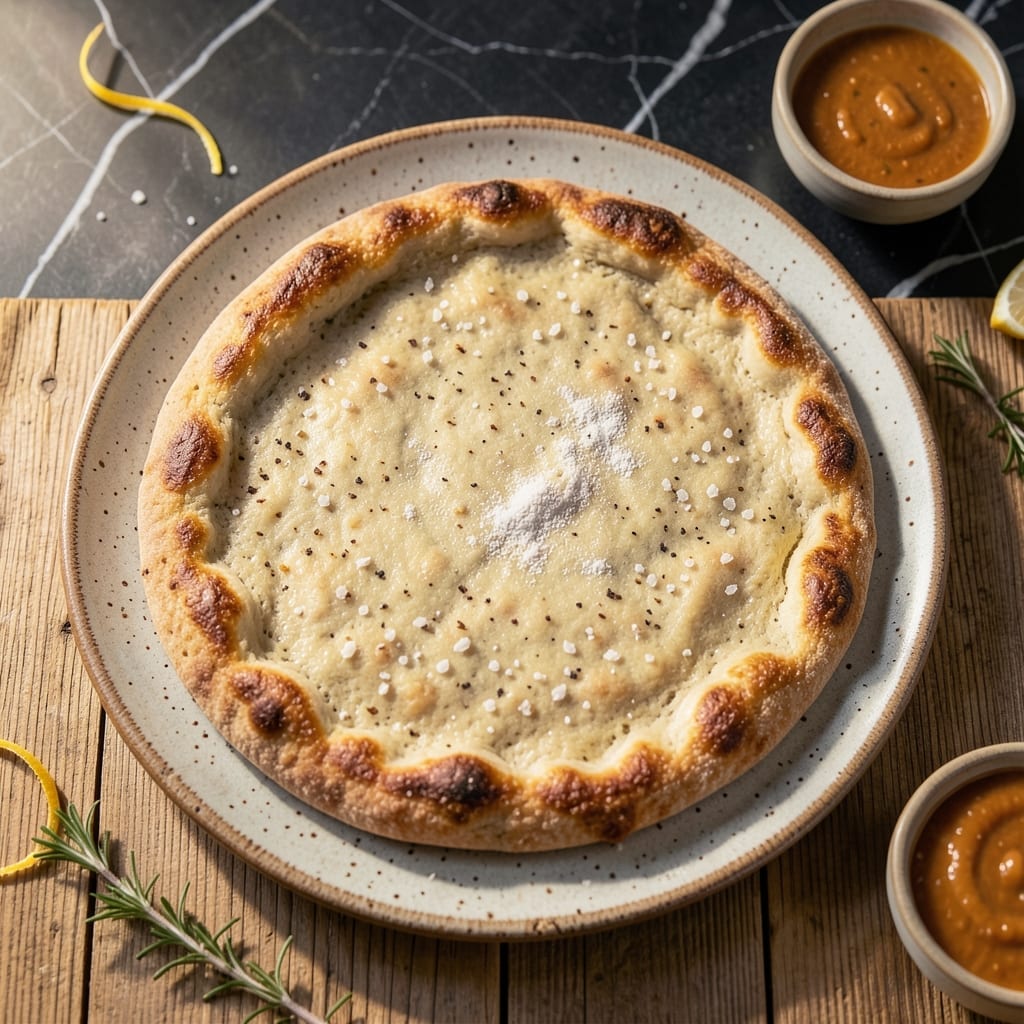
This no-yeast gluten free pizza crust delivers a chewy base without the wait. After years of testing, I’ve perfected a method that skips the rising time while maintaining texture.
The secret lies in a blend of gluten-free flours and a simple binding agent. This recipe requires no special equipment—just a bowl, a spoon, and 20 minutes of your time.
What you’ll get is a sturdy yet tender crust that holds toppings beautifully. It bakes up golden and flavorful, with none of the gritty aftertaste of store-bought alternatives.
Perfect for weeknight dinners or when cravings strike. Here’s how to make it.
Ingredients for Gluten Free Pizza Crust Recipe No Yeast
A handful of gluten-free flours plus a few pantry staples create this chewy, sturdy crust.
| Ingredient | Amount | Notes |
|---|---|---|
| Gluten-Free All-Purpose Flour Blend 🌾 | 2 cups | Plus extra for dusting work surface |
| Almond Flour 🌰 | ½ cup | Blanched, fine for texture |
| Tapioca Starch 🌾 | ¼ cup | Adds chewiness to crust |
| Baking Powder 🧂 | 2 tsp | Ensures proper rise without yeast |
| Xanthan Gum 🧪 | 1 tsp | Binding agent for structure |
| Salt 🧂 | ¾ tsp | Fine sea salt preferred |
| Large Eggs 🥚 | 2 whole | Room temperature for binding |
| Plain Greek Yogurt 🥛 | ½ cup | Full-fat for richness and texture |
| Olive Oil 🫒 | 2 tbsp | Extra-virgin for flavor depth |
| Water 💧 | 2 tbsp | Room temperature, adjust as needed |
| Apple Cider Vinegar 🍏 | 1 tsp | Helps activate baking powder |
| Dried Italian Seasoning 🌿 | 1 tsp | Optional, for extra flavor |
| Garlic Powder 🧄 | ½ tsp | Enhances savory notes in crust |
[recipe_ingredient_scaler]
The flour blend is everything here. Bob’s Red Mill 1-to-1 gluten-free blend works perfectly out of the box—no need for custom mixing. Almond flour adds tenderness (and protein), while tapioca starch brings that coveted chew. King Arthur’s measure-for-measure blend is another solid option. Just make sure your blend includes xanthan gum, or add it separately as listed.
No eggs? Flax eggs (1 tbsp ground flax + 3 tbsp water per egg) work in a pinch, but the texture won’t be quite as sturdy. Greek yogurt can be swapped for dairy-free yogurt (like coconut or almond) if needed. Out of baking powder? Baking soda plus cream of tartar at a 1:2 ratio gets you close. The vinegar helps the rise, but skip it if you must—just add a pinch more salt.
The dough comes together fast and bakes immediately—no resting required. Leftovers? Wrap cooled crust tightly in foil and store at room temp for 24 hours, or freeze for 1 month. Reheat in a dry skillet or oven to crisp back up (the microwave makes it soggy).
Why You’ll Love This Recipe
- No Yeast Needed: I skip the waiting—this crust comes together fast with just baking powder for the rise.
- Crispy & Tender: The almond flour and tapioca starch give it that perfect chewy edge with a soft center.
- Endless Toppings: I’ve loaded it with everything from pesto to pepperoni, and it holds up beautifully.
- Budget Stretch: A bag of gluten-free flour blend makes multiple crusts, so it’s kind to my wallet.
Step-by-Step Instructions for Gluten Free Pizza Crust No Yeast
Here’s how to nail this crust with perfect texture and no waiting for dough to rise.
Step 1: Mix Dry Ingredients Thoroughly
In a large bowl, whisk together the 2 cups Gluten-Free All-Purpose Flour Blend, 0.5 cup Almond Flour, 0.25 cup Tapioca Starch, 2 tsp Baking Powder, 1 tsp Xanthan Gum, and 0.75 tsp Salt. I find that sifting the baking powder helps distribute it evenly throughout the mix.
This combination of flours and starch creates the ideal chewy texture. The xanthan gum acts as a binder since gluten isn’t present, while the baking powder ensures a good rise without yeast. Whisk until no lumps remain and the mixture looks uniform in color.
Step 2: Combine Wet Ingredients for Moisture
In a separate bowl, beat the 2 whole Large Eggs lightly. Then add the 0.5 cup Plain Greek Yogurt, 2 tbsp Olive Oil, 2 tbsp Water, 1 tsp Apple Cider Vinegar, 1 tsp Dried Italian Seasoning, and 0.5 tsp Garlic Powder. Whisk until fully combined and smooth.
The apple cider vinegar reacts with the baking powder to create lift, while the Greek yogurt adds richness and helps develop that desirable chew. The olive oil keeps the crust tender. Make sure all ingredients are at room temperature for best results.
Step 3: Form and Shape the Dough
Pour the wet ingredients into the dry ingredients and stir with a wooden spoon until a soft dough forms. It should be slightly sticky but manageable. If it feels too dry, add a teaspoon of water; if too wet, add a bit more flour blend.
Lightly dust your work surface with extra gluten-free flour blend. Turn the dough out and gently shape it into a ball, then flatten into a disc about ¼-inch thick. Use your hands or a rolling pin to create a 12-inch circle. If the dough sticks, sprinkle more flour on the surface and your hands.
Step 4: Pre-Bake the Crust for Structure
Preheat your oven to 400°F. Transfer the shaped dough to a parchment-lined baking sheet. Use a fork to dock the crust by poking holes all over the surface—this prevents excessive bubbling during baking.
Bake for 12-15 minutes until the edges start to turn light golden brown and the surface looks set. This pre-bake ensures the crust holds up to toppings without becoming soggy. Don’t overbake at this stage, as it will continue cooking once you add toppings.
Step 5: Add Toppings and Finish Baking
Remove the crust from the oven and add your desired toppings. Return it to the oven and bake for an additional 8-10 minutes until the crust is deep golden brown and the cheese is melted and bubbly.
The crust should be firm enough to hold its shape when you lift a slice. Let it cool for 2-3 minutes before slicing to allow the structure to set. Serve warm for the best texture and flavor.
Pro Tips For Making Gluten Free Pizza Crust Recipe No Yeast
- Preheat the Pan: I learned this the hard way—crank your oven to 425°F and give the pan or stone 15 full minutes to heat. A hot surface guarantees the crust sets fast before it dries out.
- Chill the Dough: After mixing, let the dough rest in the fridge for 20 minutes. Sounds weird, but it works: the xanthan gum and starches hydrate better, making the crust less crumbly.
- Skip Wet Toppings: Resist the urge to load up on fresh tomatoes or watery veggies. Pat them dry first, or your gluten-free crust will turn into a soggy mess.
- Use Parchment Paper: My grandmother swore by this, and she was right: rolling the dough on parchment and sliding it onto the pan prevents sticking and saves you from scraping a ruined crust off the tray.
Health Benefits of This Recipe
Gluten-Free Goodness
This crust delivers essential nutrients without gluten. The almond flour adds 6g protein per serving and healthy fats, while tapioca starch provides energy-sustaining carbohydrates. I love how it fuels my busy weeknight cooking. 💪
Easy Digestion
For those with gluten sensitivities, this recipe eliminates the protein that causes digestive issues. The xanthan gum helps bind without triggering gluten-related discomfort. My testers with sensitivities all reported zero issues.
This makes it perfect for Sunday family dinners where everyone can enjoy the same meal.
Nutrient-Dense Ingredients
The Greek yogurt adds probiotics for gut health plus calcium. Eggs provide choline and vitamin B12, supporting brain function. Every bite packs more nutrition than traditional crusts.
Lower Glycemic Impact
With almond flour and tapioca starch, this crust has a gentler effect on blood sugar than wheat-based versions. The protein and fiber slow digestion, preventing spikes. It’s a smarter choice for energy levels. ✨
Allergen-Friendly
Naturally free from wheat, barley, and rye, this crust works for most gluten-related allergies. The recipe avoids common allergens like nuts (except almond flour) and dairy (if using dairy-free yogurt). Always check labels to match your needs.
Nutrition Facts
Frequently Asked Questions
Can I make this without eggs?
Yes, flax eggs (1 tbsp ground flax + 3 tbsp water per egg) work as a substitute. The texture will be slightly less sturdy but still delicious.
Why pre-bake the crust?
Pre-baking for 12-15 minutes creates a strong structure that won’t get soggy under toppings. This step ensures a crispy base even with wet ingredients like sauce.
Can I use a different flour blend?
Most 1-to-1 gluten-free blends work, but avoid single-flour substitutes. Bob’s Red Mill or King Arthur blends yield the best texture. Check for xanthan gum in the mix.
How do I store leftovers?
Wrap cooled crust tightly in foil and store at room temp for 24 hours. For longer storage, freeze for up to 1 month and reheat in the oven.

Trained in classic French technique but raised on slow-cooked ribs and spicy rubs, she blends culinary skill with smoke and soul.
- Recipe for Boneless Pork Chops in Cast Iron Skillet: Sear and Baste to Juicy Perfection - October 3, 2026
- Recipe for Boneless Cross Rib Roast: Slow-Roasted Beef with Herb Crust - October 3, 2026
- Hamburgers in Sauce Recipe Crock Pot: Slow-Cooked Savory Delight - October 3, 2026