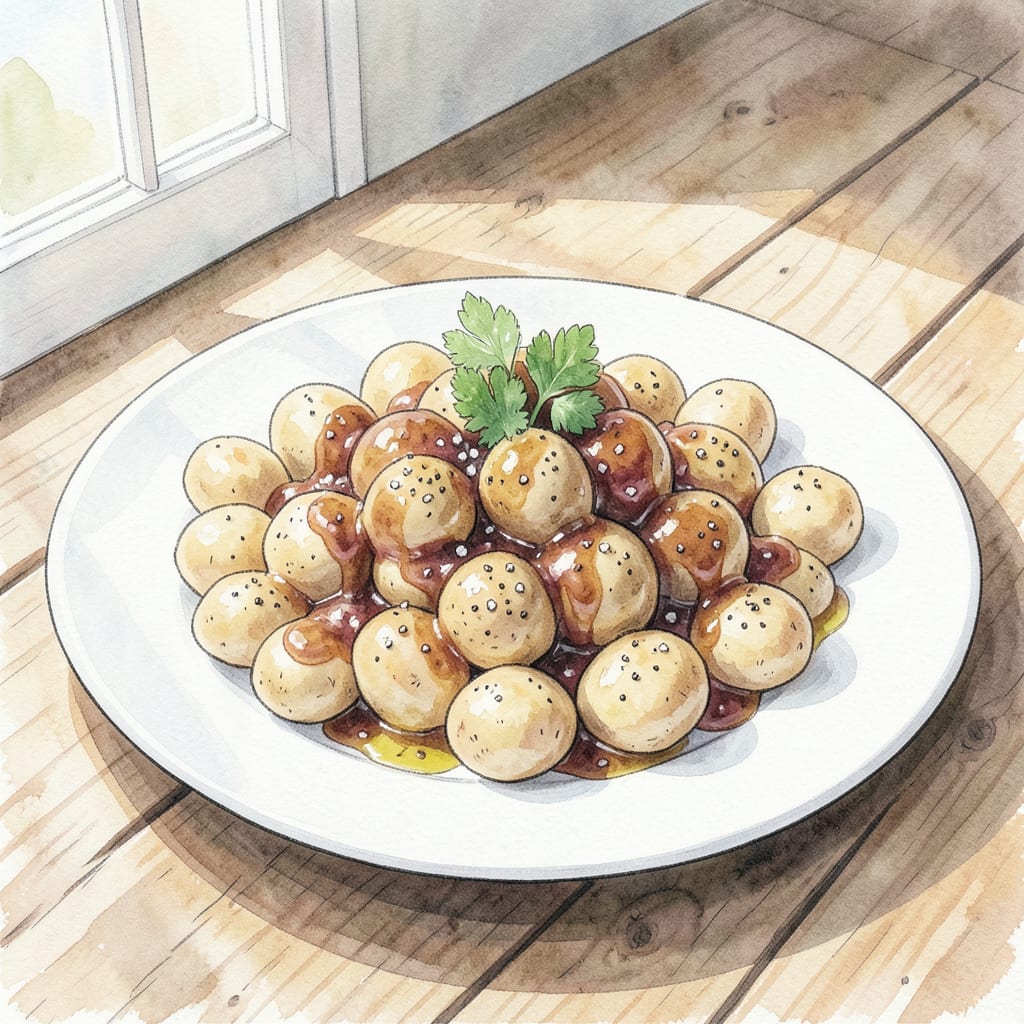
As a pitmaster with French technique training, I’ve perfected a gluten-free gnocchi recipe that delivers soft, pillowy Italian comfort. This dish brings back memories of my family’s backyard cookouts, where the smell of hickory smoke mingled with homemade pasta.
My gluten-free gnocchi recipe uses simple ingredients and a straightforward process to create a truly comforting meal. With a few key techniques, you’ll achieve restaurant-quality gnocchi that’s both tender and flavorful. Let’s get cooking!
Ingredients for Gnocchi Gluten Free
Simple, quality ingredients create authentic gluten-free gnocchi with tender texture and rich flavor.
| Ingredient | Amount | Notes |
|---|---|---|
| Russet Potatoes 🥔 | 2 lb | High-starch for best texture |
| Gluten-Free All-Purpose Flour 🌾 | 1 ½ cups | 1:1 gluten-free baking blend |
| Large Egg 🥚 | 1 whole | Room temperature for better dough |
| Extra-Virgin Olive Oil 🫒 | 2 tbsp | For dough and cooking |
| Kosher Salt 🧂 | 1 tsp | Diamond Crystal or similar flake salt |
| Freshly Ground Black Pepper 🌶️ | ¼ tsp | To taste, freshly ground |
| Grated Parmesan Cheese 🧀 | ½ cup | Optional, for serving |
| Fresh Sage Leaves 🌿 | 4 whole | Optional, for garnish |
| Unsalted Butter 🧈 | 2 tbsp | For sauce, optional |
| Garlic Cloves 🧄 | 2 cloves | Minced, for sauce |
| White Wine 🍷 | ¼ cup | Dry, for sauce, optional |
| Chicken or Vegetable Broth 🍲 | 1 cup | For sauce, as needed |
[recipe_ingredient_scaler]
For the best gnocchi, Russet potatoes are essential—their high starch content creates that perfect tender texture. Look for firm, blemish-free potatoes at your local farmer’s market or grocery store. I prefer Bob’s Red Mill Gluten-Free 1:1 Baking Flour for the dough as it provides consistent results. Fresh eggs are crucial too—room temperature eggs make a noticeable difference in dough quality.
No Russet potatoes? Yukon Golds work as a substitute, though they’ll be slightly denser. For the flour, any reputable 1:1 gluten-free blend will work—just avoid mixes containing rice flour alone as they tend to be gritty. If you need dairy-free, swap the Parmesan for nutritional yeast. The white wine in the sauce can be replaced with extra broth or even a splash of lemon juice for brightness.
Gnocchi dough is best used within 24 hours—it keeps well wrapped in plastic in the fridge. Cooked gnocchi freezes beautifully: toss with a bit of oil, freeze on a baking sheet, then transfer to airtight containers. Reheat in boiling salted water straight from frozen. The sauce keeps for 3-4 days in the fridge and reheats beautifully.
Step-by-Step Instructions for Gluten-Free Gnocchi with Sage Butter Sauce
Creating perfect gluten-free gnocchi requires attention to detail, but the process is straightforward and rewarding.
Step 1: Prepare the Potatoes for Gnocchi Dough
Begin by preheating your oven to 400°F. Wash the 2 lb Russet Potatoes thoroughly, then dry them completely. Pierce the potatoes several times with a fork to allow steam to escape during baking. Place them directly on the middle rack of your oven. Bake for 45-60 minutes until the potatoes are tender when pierced with a fork. The exact baking time will depend on the size of your potatoes.
Remove the potatoes from the oven and let them cool just until they’re comfortable to handle. Peel the potatoes while they’re still warm, as this makes the process easier. Pass the peeled potatoes through a ricer or food mill into a large mixing bowl. If you don’t have these tools, you can mash the potatoes until they’re very smooth, but be careful not to over-mix.
Step 2: Create the Gluten-Free Gnocchi Dough
To the riced potatoes, add the 1.5 cups Gluten-Free All-Purpose Flour and 1 tsp Kosher Salt. Use a fork to gently combine these dry ingredients with the potatoes until they’re just incorporated. Make a well in the center of this mixture and add the 1 whole Large Egg. Use your hands or a fork to mix everything together until it forms a dough. Be careful not to overwork the dough, as this can make the gnocchi tough.
Turn the dough out onto a lightly floured surface and knead it gently until it becomes smooth and consistent. The dough should be soft but not sticky. If it’s too wet, add a small amount of additional Gluten-Free All-Purpose Flour. If it’s too dry, you can add a beaten egg in small increments until you achieve the right consistency.
Step 3: Shape the Gnocchi
Divide the dough into 4 equal pieces to make it easier to work with. Roll each piece into a long rope, about ¾ inch in diameter. Cut these ropes into 1-inch pieces to form the gnocchi. You should end up with approximately 80-100 gnocchi.
To create the characteristic gnocchi texture, gently press each piece against the tines of a fork. This step not only shapes the gnocchi but also creates ridges that will help the sauce cling to them. Place the shaped gnocchi on a lightly floured baking sheet or tray, making sure they’re not touching each other to prevent sticking.
Step 4: Cook the Gnocchi and Prepare the Sage Butter Sauce
Bring a large pot of salted water to a gentle boil. Cook the gnocchi in batches to prevent overcrowding. When they float to the surface after about 3-5 minutes, they’re done. Use a slotted spoon to remove them from the water and transfer them to a plate.
While the gnocchi are cooking, prepare the sage butter sauce. In a large skillet, melt the 2 tbsp Unsalted Butter over medium heat. Add the 4 whole Fresh Sage Leaves and cook until they’re crispy, about 2-3 minutes per side. Remove the sage leaves and set them aside on a paper towel. In the same butter, add the 2 cloves minced Garlic Cloves and cook for 1 minute until fragrant.
Step 5: Combine Gnocchi with Sage Butter Sauce
To the garlic butter, add the 0.25 cup White Wine and cook until it’s reduced by half, scraping up any browned bits from the pan. Then add the 1 cup Chicken or Vegetable Broth and simmer until the sauce has slightly thickened, coating the back of a spoon. Stir in the 0.5 cup Grated Parmesan Cheese until melted and smooth. Season with 0.25 tsp Freshly Ground Black Pepper to taste.
Add the cooked gnocchi directly to the sauce and toss to coat. If the sauce seems too thick, you can add a bit of the reserved pasta water. Serve the gnocchi hot, topped with the crispy sage leaves and additional Parmesan if desired.
Best Sauces and Condiments for gnocchi gluten free
Classic Italian Sauces
For gluten-free gnocchi, traditional Italian sauces work beautifully. I love a simple tomato sauce made with San Marzano tomatoes, garlic, and fresh basil from my local farmer’s market. The acidity cuts through the richness of the potato dough perfectly. Alternatively, a light cream sauce with Parmesan and a hint of nutmeg creates a comforting, indulgent dish. For a dairy-free option, try a simple pesto with fresh basil, garlic, and olive oil. 🌿
Modern Twists on Gnocchi Sauces
While classic sauces are always delicious, I enjoy experimenting with modern variations. A roasted garlic and olive oil sauce brings deep, nutty flavors that complement the earthy gnocchi. For a spicy kick, try adding red pepper flakes to your sauce—about ¼ teaspoon per serving is perfect. You can also create a truffle-infused brown butter for a luxurious, aromatic sauce. Simply cook butter with truffle oil and crispy sage leaves. 🔥
International Inspirations for Gnocchi
Gnocchi pairs well with international flavors too. For a Korean-inspired dish, try a gochujang cream sauce with toasted sesame and crispy garlic. The spicy, savory flavors work surprisingly well with potato gnocchi. You can also make a Mexican street corn sauce with cotija cheese, chili powder, and lime juice for a vibrant summer dish. Experimenting with different cultural flavors can lead to exciting new combinations.
Herbs and Aromatics for Enhanced Flavor
Fresh herbs make a significant difference in gnocchi dishes. I often add fresh sage leaves to my sage butter sauce for an authentic Italian flavor. Other herbs like parsley, basil, or thyme work beautifully too. Don’t forget aromatics like garlic and onions—they form the flavor foundation. For a sophisticated touch, add a splash of white wine to your sauce during cooking to enhance depth. 🧄
Cheese Pairings for Gnocchi
Cheese is essential in most gnocchi dishes. Parmesan remains the classic choice, adding a salty, umami flavor. You can also experiment with ricotta or mascarpone for creamier sauces. For a sharper flavor, try mixing in some Pecorino Romano. The key is balancing the cheese with your chosen sauce while maintaining the tender gnocchi texture. A light hand with cheese prevents overpowering the delicate potato flavor.
Nutrition Facts

Trained in classic French technique but raised on slow-cooked ribs and spicy rubs, she blends culinary skill with smoke and soul.
- Recipe for Boneless Pork Chops in Cast Iron Skillet: Sear and Baste to Juicy Perfection - October 3, 2026
- Recipe for Boneless Cross Rib Roast: Slow-Roasted Beef with Herb Crust - October 3, 2026
- Hamburgers in Sauce Recipe Crock Pot: Slow-Cooked Savory Delight - October 3, 2026