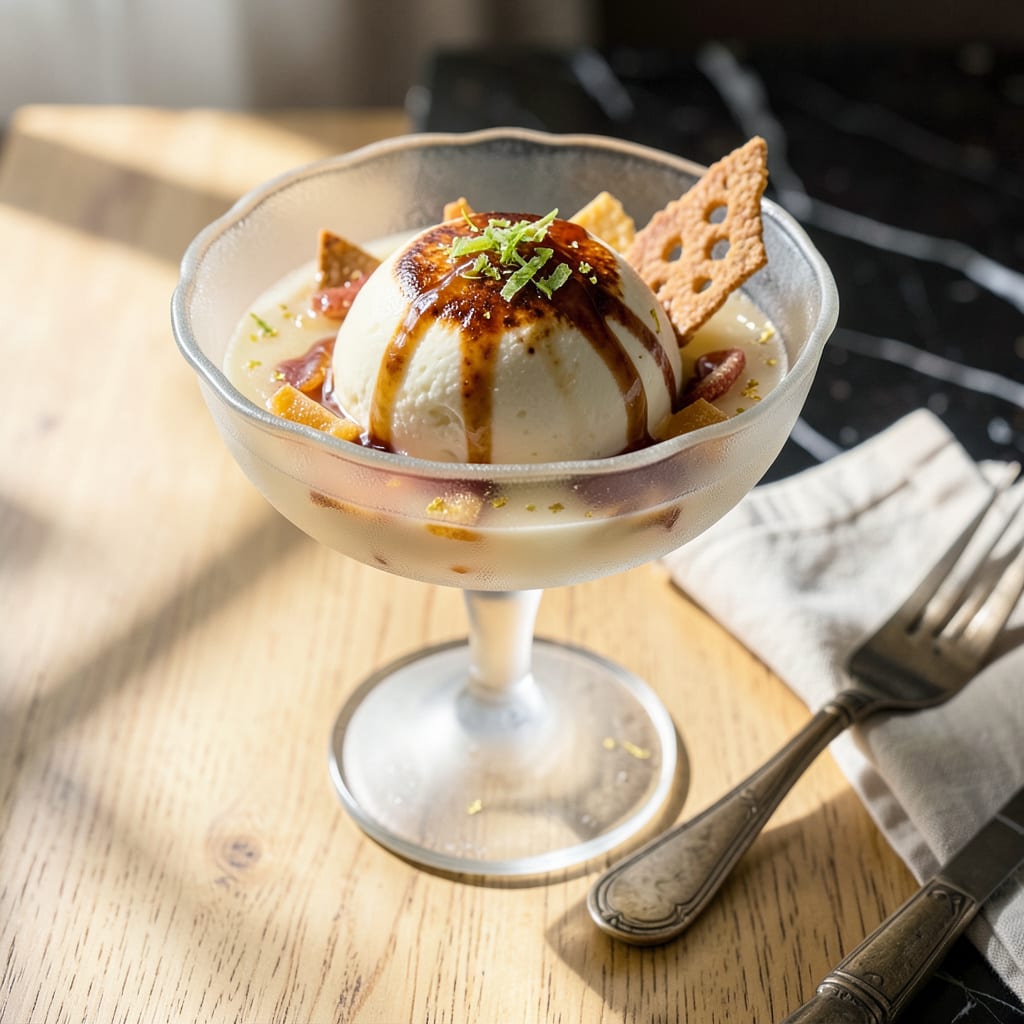
Ginger freeze is a creamy, spicy-sweet frozen dessert blending fresh ginger, citrus, and dairy or coconut milk for a refreshing treat. It’s like ginger ice cream with a zesty kick—perfect for hot days or after spicy meals.
This isn’t your average frozen dessert—it’s a flavor powerhouse where ginger’s natural heat meets cooling dairy or coconut richness. 🔥 I love how the citrus brightens the ginger’s intensity while the fat content smooths out the spice, creating a balanced bite that’s both invigorating and soothing. The texture lands somewhere between sorbet and ice cream, making it versatile enough for scooping or serving in elegant slices. What’s brilliant is how the freezing process actually mellows ginger’s sharpness over time, so the flavor evolves as it sits.
💡 In This Article
- How Ginger Freeze Gets Its Signature Spicy-Sweet Balance
- 5 Ways to Customize Your Ginger Freeze Recipe
How Ginger Freeze Gets Its Signature Spicy-Sweet Balance
The magic starts with ginger’s active compounds: gingerol (responsible for the sharp bite) and zingerone (the warmer, sweeter note that develops when cooked). When fresh ginger is steeped in warm dairy or coconut milk, these compounds infuse into the fat molecules, creating a rounded spiciness that’s more complex than powdered ginger could ever deliver.
The fat content (about 10-12% in whole milk or 15-20% in coconut milk) acts like a flavor carrier, smoothing out ginger’s harsh edges while letting its citrusy undertones shine. 🔥
Here’s where the science gets interesting: freezing actually transforms the texture and flavor perception. Below 32°F, the water in the mixture forms ice crystals, but the fat and sugar molecules remain in a semi-liquid state. This creates that signature creamy-yet-light mouthfeel that’s denser than sorbet but lighter than ice cream.
The citrus acidity (typically 1-2 tablespoons of lime or lemon juice) cuts through the richness while enhancing the ginger’s brightness—similar to how a squeeze of lime elevates Thai cuisine. ✨
Fresh versus powdered ginger makes a world of difference. Fresh ginger contains 1.5-2% essential oils that volatilize during cooking, giving that bright, almost peppery aroma. Powdered ginger (which is dried and ground) loses about 60% of these volatile compounds, resulting in a more concentrated but flatter heat.
I always recommend using 2-3 tablespoons of freshly grated ginger per cup of liquid for that vibrant, multi-layered spiciness that builds gradually on your palate. ⚡
The sweetness factor requires careful balancing. Ginger’s compounds can make sugars taste 20-30% less sweet due to their bitter undertones. This is why most recipes need ½-¾ cup of sugar per quart of base—enough to counteract the spice without becoming cloying.
The freezing process further concentrates flavors, so what tastes perfectly balanced when warm will become more intense after 6-8 hours in the freezer. That’s why I always recommend tasting the base before freezing and adjusting with an extra 1-2 teaspoons of honey if needed. 💫
Temperature plays a crucial role in the final texture. Churning at 28-30°F creates smaller ice crystals for that velvety smoothness, while freezing without churning (like in a loaf pan) results in a firmer, more granular texture.
The fat content determines how quickly it melts on your tongue—higher fat versions (like those with heavy cream) will coat your palate longer, while coconut milk versions melt slightly faster but leave a cleaner finish. This is why restaurant versions often include 1-2 egg yolks as emulsifiers to stabilize the texture. 🌟
What most people don’t realize is that the spice level actually increases slightly after freezing. The cold numbs your taste buds initially, but as the ginger freeze warms in your mouth, the capsaicin-like compounds in ginger (called gingerdiones) activate more strongly.
This is why serving it at 10-15°F (slightly softer than rock-hard) gives the best flavor release—cold enough to be refreshing, but not so frozen that you miss the complex spice layers. The citrus oils also become more volatile at this temperature, giving you that perfect aromatic burst with each bite. 💛
The real secret weapon? Time. Letting the base steep for 4-6 hours before freezing allows the ginger compounds to fully integrate with the fat molecules. This is when the zingerone develops its caramel-like notes and the gingerol mellows from sharp to warm.
Skipping this step means you’ll get a more one-dimensional heat rather than that sophisticated spicy-sweet harmony that makes ginger freeze so addictive. Think of it like marinating—patience transforms good flavors into extraordinary ones. 💫

Trained in classic French technique but raised on slow-cooked ribs and spicy rubs, she blends culinary skill with smoke and soul.
- Recipe for Boneless Pork Chops in Cast Iron Skillet: Sear and Baste to Juicy Perfection - October 3, 2026
- Recipe for Boneless Cross Rib Roast: Slow-Roasted Beef with Herb Crust - October 3, 2026
- Hamburgers in Sauce Recipe Crock Pot: Slow-Cooked Savory Delight - October 3, 2026