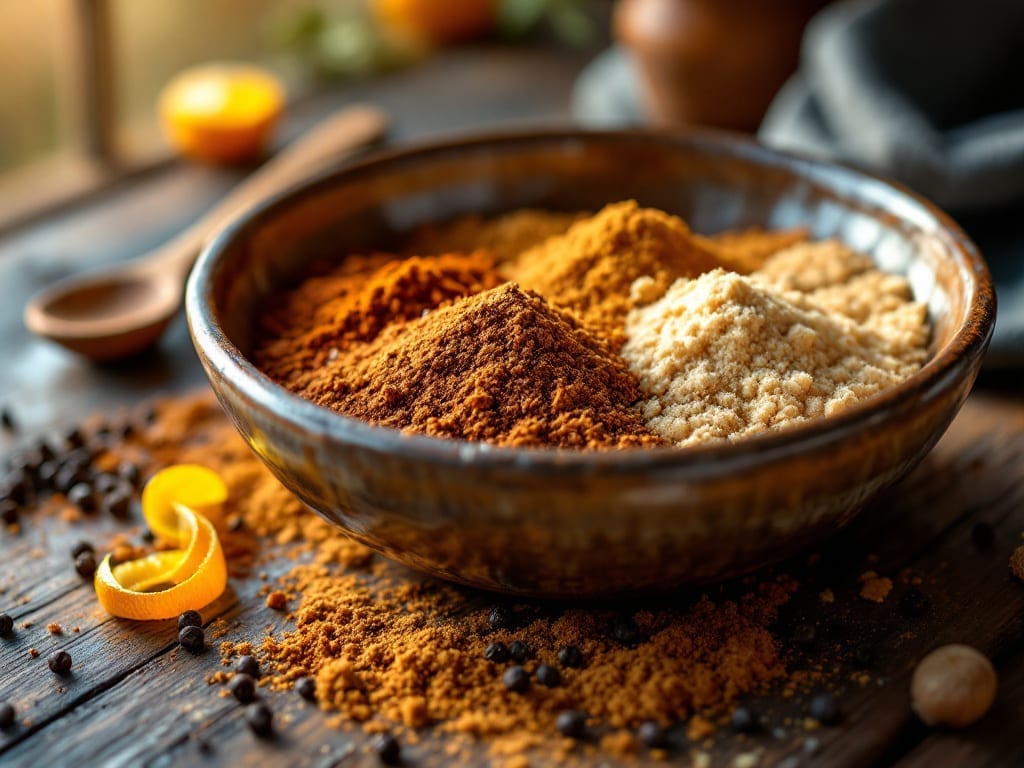
Creating the perfect homemade brisket rub recipe transforms tough meat into melt-in-your-mouth tenderness—this deep-smoky blend is my secret weapon after years of perfecting it over backyard fires. The day I realized French technique could elevate my rubs changed everything, blending precision with that unmistakable smoke flavor we all crave.
This isn’t just another spice mix; it’s a carefully balanced harmony of heat, sweetness, and earthy depth that clings to every bite.
What makes this rub special is its simplicity combined with professional results—just six essential spices that work together to create that signature bark while keeping the meat tender inside. I developed this blend to be foolproof, whether you’re a seasoned pitmaster or just starting your smoking journey.
The key lies in the ratios: enough chili powder for heat, brown sugar for caramelization, and smoked paprika for that unmistakable smoky aroma that defines great brisket.
Once mixed, this rub keeps indefinitely in an airtight container, ready to transform your next brisket into a showstopper. The spices come together in minutes but deliver restaurant-quality flavor that builds over hours in the smoker.
This is the blend I reach for every time I fire up the pit, knowing it will deliver that perfect balance of texture and flavor that makes brisket worth the wait.
Perfect for smoking competitions, holiday feasts, or whenever you crave that deep, smoky satisfaction. The beauty of this rub is its versatility—it works just as well on ribs, chicken, or even vegetables. Store it in your pantry and be ready to elevate any dish with professional-level seasoning at your fingertips.
Ingredients for homemade brisket rub
Six spices transform tough brisket into smoky perfection—this blend delivers restaurant-quality bark every time.
| Ingredient | Amount | Notes |
|---|---|---|
| Chili Powder 🌶️ | 3 tbsp | Medium heat preferred for balance |
| Smoked Paprika 🌶️ | 2 tbsp | Essential for authentic smoky aroma |
| Brown Sugar 🍚 | 2 tbsp | Light or dark works perfectly |
| Garlic Powder 🧄 | 1 ½ tbsp | Freshly ground preferred for depth |
| Onion Powder 🧅 | 1 ½ tbsp | Adds sweet, savory foundation |
| Black Pepper 🌶️ | 1 tbsp | Freshly cracked for maximum heat |
| Salt 🧂 | 1 ½ tbsp | Kosher or sea salt preferred |
| Ground Cumin 🌿 | ½ tbsp | Earthy base for depth (optional) |
| Cayenne Pepper 🔥 | ½ tsp | Adjust for heat preference |
[recipe_ingredient_scaler]
The chili powder is your heat foundation—Penzeys or McCormick are my go-tos, but any medium-heat blend works. Smoked paprika? Non-negotiable for that authentic smoky aroma. Trader Joe’s has the best-priced smoked variety, and it keeps forever in an airtight container. Brown sugar is your caramelization secret—light brown gives subtle sweetness, dark adds more depth. For the powders, bulk bins at Whole Foods are fresher than pre-packaged. I always double-check expiration dates because stale spices ruin everything.
No smoked paprika? Regular paprika plus a pinch of liquid smoke gets you close. Skip the cumin if you’re sensitive to earthy flavors—it’s optional but adds complexity. Cayenne too spicy? Swap for red pepper flakes at half the amount. The garlic and onion powders are your flavor anchors—don’t skimp. For extra punch, toast your spices in a dry pan for 30 seconds before mixing. This blend is foolproof for brisket but works magic on ribs, chicken, or even roasted veggies—just adjust the heat level to your taste.
Store this rub in a glass jar with a tight seal—it lasts 6-12 months in a cool, dark pantry. I make a triple batch every time because once you go homemade, you’ll never go back to store-bought. The sugar helps it stick to meat, so don’t substitute with white sugar. For competition-level bark, pat the rub into the meat in two layers—first after the initial smoke, then again before the stall. This is the blend I reach for every time I fire up the pit—it’s become my signature.
Why You’ll Love This Recipe
- Five-Ingredient Magic: I swear by this combo—no fancy prep, just dump and mix. The smoked paprika and chili powder give it that deep, smoky punch without needing a spice blender, and the brown sugar caramelizes into a sticky crust that’s chef’s kiss.
- Smoky-Sweet Obsession: That balance of heat and sweetness? It’s what makes this rub irresistible. The garlic and onion powders sneak in savory depth while the brown sugar keeps it from being too sharp—perfect for anyone who loves flavor but not overpowering spice.
- Tailgate to Tuesday: Between us, this rub works on everything—slow-cooked brisket, chicken thighs, even roasted potatoes. I’ve used it for backyard cookouts and lazy weeknights, and honestly? It never lets me down. (Yes, even on a Tuesday night.)
- Budget Booster: A little goes a long way, and you can make a big batch for pennies. Store it in the pantry for months, and it’s way cheaper than pre-made mixes. Plus, the leftovers? They turn tough cuts into melt-in-your-mouth perfection.
Step-by-step instructions for homemade brisket rub
Here’s the method that delivers restaurant-quality flavor every time.
Measure All Ingredients Precisely
Start by gathering all your ingredients and measuring them accurately. I find using a small mixing bowl works best for this process. For the base, measure out the 3 tablespoons chili powder first – this is your heat foundation. Then add the 2 tablespoons smoked paprika which will give that authentic smoky aroma we all love in brisket.
Next, add the 2 tablespoons brown sugar – this isn’t just for sweetness, it helps create that beautiful bark during cooking. The sugar caramelizes beautifully when exposed to heat, creating that perfect crust on your brisket. Don’t skip this step – the sugar is what gives that classic competition-style bark.
Combine Dry Ingredients Thoroughly
Transfer all the measured ingredients to a medium-sized bowl. I like to use a whisk to begin combining them – this helps break up any clumps right from the start. Start with the 1.5 tablespoons garlic powder and 1.5 tablespoons onion powder which form the savory backbone of this rub.
Add the 1 tablespoon black pepper next, making sure it’s freshly ground if possible – you’ll notice the difference in flavor. Sprinkle in the 1.5 tablespoons salt evenly, then add the 0.5 tablespoons ground cumin and 0.5 teaspoon cayenne pepper. The cayenne is optional but adds just the right amount of heat to balance everything out.
Use your hands to really work the spices together – this is where the magic happens. Rub the spices between your fingers to break up any clumps and ensure even distribution. You should see a fine, even powder forming that coats your fingers completely.
Test and Adjust for Perfect Balance
Here’s where you can really customize your rub. Take a small pinch of the mixture and taste it. You’re looking for a perfect balance of smoky, sweet, and slightly spicy flavors. If it needs more heat, add a tiny bit more cayenne pepper – we’re talking just a pinch at a time.
The reason we test at this stage is that different briskets respond differently to the same rub. What works perfectly for one might need adjustment for another. If you’re using this on a particularly lean brisket, you might want to add a bit more brown sugar to help with moisture retention during cooking.
Once you’re happy with the flavor profile, transfer your rub to an airtight container. This will keep it fresh for up to 3 months, ready to elevate any brisket you cook. The key to long storage is keeping it completely dry – any moisture will cause clumping.
Pro Tips For Making Homemade Brisket Rub
- Toast the Spices: Heat your chili powder and smoked paprika in a dry pan for 30 seconds—just until you smell that deep, toasty aroma. I learned this the hard way: skipping it leaves the rub tasting flat and one-dimensional. The brown sugar will caramelize faster this way, too, so don’t rush it.
- Sift the Brown Sugar: Lightly sift the brown sugar through a fine-mesh strainer before mixing—this breaks up clumps and ensures an even coat on the brisket. I used to just dump it in, and half the time, my rub ended up sticky and uneven. A few extra seconds here makes all the difference in texture.
- Balance the Heat: Taste your dry rub before applying—if the chili powder dominates, add a pinch more garlic powder or onion powder to round it out. I was skeptical at first, but now I adjust based on the heat level. The goal is depth, not just spice.
- Store in Airtight Containers: Once mixed, divide the rub into small containers and press it down firmly. Humidity is the enemy—condensation ruins the texture over time. I used to leave it loose in a jar, and it’d clump into a useless brick within days. A little effort now saves frustration later.
Common mistakes when making this dish
Uneven Spice Distribution
Skipping the hand-mixing step is the fastest way to ruin your rub—lumpy seasoning means uneven flavor. I’ve seen beginners just whisk the spices together, but that leaves clumps that won’t stick properly to your brisket.
Instead, rub the mixture between your palms until it’s completely fine and coats your fingers evenly. This ensures every bite gets that perfect balance of smoky, sweet, and spicy. 💡
Skipping the Sugar
Some folks try to cut sugar for health reasons, but brown sugar isn’t just for sweetness—it’s what creates that beautiful bark during smoking. Without it, your brisket will miss out on that caramelized crust that’s half the battle.
I use light brown sugar for a subtle sweetness, but dark brown adds deeper flavor. If you’re avoiding sugar, try a pinch of honey in the rub instead—it caramelizes just as well.
Using Pre-Ground Spices
Freshly ground spices make all the difference in your rub. Pre-ground spices lose potency quickly, especially black pepper and garlic powder. I always buy spices in bulk from specialty shops like Penzeys and grind them fresh right before mixing.
If you’re using store-bought, check the expiration date—stale spices will give your brisket a dull, flat flavor. Toasting your spices in a dry pan for 30 seconds before mixing wakes up their flavors even more.
Overloading on Heat
Too much cayenne or chili powder can overpower the other flavors in your rub, leaving your brisket one-dimensional. Start with the 0.5 tsp cayenne and adjust in tiny increments—remember, you can always add more, but you can’t take it out.
I’ve seen people double the cayenne only to regret it later. Balance is key: the smoky paprika and brown sugar should shine through, not the heat. Taste as you go!
Not Testing the Rub
Skipping the taste test is a rookie mistake. Every batch of spices can vary slightly, and your brisket’s fat content affects how the rub behaves. Take a pinch of the finished mix and taste it—you’re looking for harmony, not just heat.
If it’s too bland, add a pinch of salt or smoked paprika. If it’s too spicy, reduce the cayenne next time. This simple step saves you from a bland or fiery disaster later. 🔥
Storing Improperly
Moisture is the enemy of long-term rub storage. If you leave your rub in a damp container, it’ll clump into unusable bricks. Always transfer it to an airtight glass jar or container with a tight seal.
I keep mine in a cool, dark pantry where it stays fresh for up to 6 months. For extra protection, add a silica packet to absorb any lingering moisture. Trust me, stale rub is worse than no rub at all.
Nutrition facts
Frequently asked questions
Can I make this rub without smoked paprika?
If you’re out of smoked paprika, mix 2 tablespoons regular paprika with ½ teaspoon liquid smoke for a similar effect. The liquid smoke adds that authentic smoky depth without changing the texture. For best results, toast the paprika in a dry pan for 30 seconds first to enhance its flavor.
How much rub should I use per pound of brisket?
For a classic bark, use about 1-2 tablespoons of rub per pound of brisket. Apply it generously in two layers: first after the initial smoke (around 2 hours) and again when the internal temperature hits 170°F. This two-step method creates that perfect crust while keeping the meat tender inside.
Can I use this rub on other meats besides brisket?
This versatile rub works beautifully on ribs, chicken, pork shoulder, or even roasted vegetables! For poultry, reduce the cayenne to ¼ teaspoon to avoid overpowering the delicate flavors. The smoky-sweet profile shines on all meats, but adjust the heat level to match your preference.
Why does my homemade rub clump together?
Clumping happens when moisture gets into your rub. Always store it in an airtight glass container in a cool, dry place. If clumps form, break them up with your fingers or a fork before using. For extra protection, add a silica packet to absorb any lingering moisture. Freshly ground spices are more prone to clumping, so store-bought blends last longer.
How do I adjust the heat level in this rub?
Start with the 0.5 teaspoon cayenne as written, then adjust in ¼ teaspoon increments. For mild heat, reduce to 0.25 teaspoon or swap for ½ teaspoon red pepper flakes. If you love spice, increase to 1 teaspoon** but taste test first—remember, you can always add more, but you can’t take it out! Balance is key.

Trained in classic French technique but raised on slow-cooked ribs and spicy rubs, she blends culinary skill with smoke and soul.
- Best Smoked Oxtail Recipe: Deep-Rich Flavor After Low-and-Slow Cooking - October 14, 2026
- Pit Boss Smoked Prime Rib Roast Recipe: Bark-to-Bone Crispness in 4 Hours - October 14, 2026
- Smoked Tuna Steak Recipe: Seared Crust Meets Silky Centers - October 14, 2026