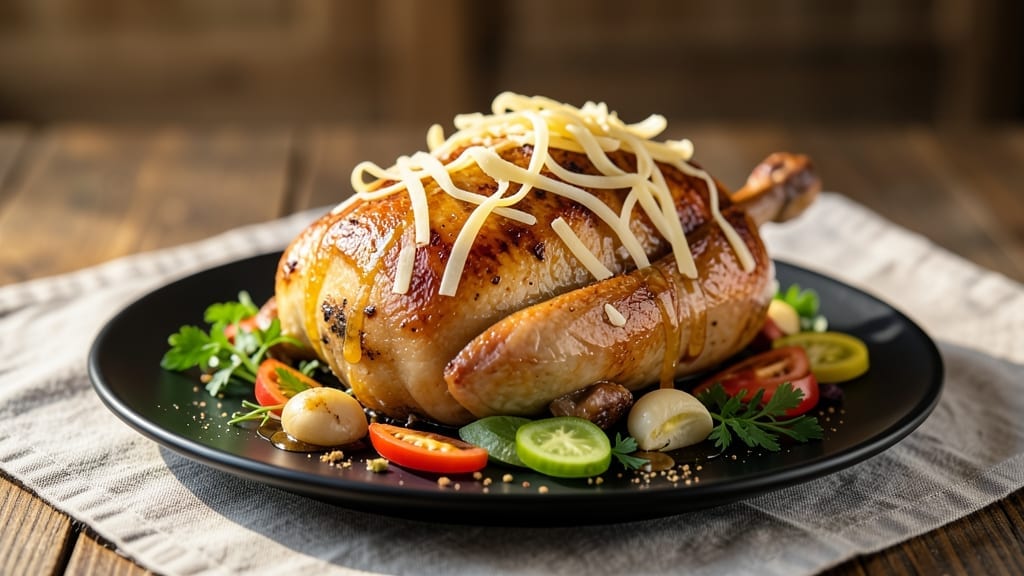
Mastering a honey smoked turkey transforms Thanksgiving from ordinary to extraordinary—juicy, fall-apart meat with a sweet-savory bark that steals every bite. The key? A perfect balance of time, temperature, and honey glaze that caramelizes into a sticky, flavorful crust.
I perfected this technique after years of experimenting with wood types and brining methods, and it never fails to impress.
This recipe delivers restaurant-quality results without requiring a professional smoker. With just a few simple ingredients—a whole turkey, honey, spices, and your choice of wood—you’ll achieve tender meat that practically melts in your mouth.
The process is straightforward but requires patience, as low-and-slow smoking is the secret to juiciness. I use a mix of hickory and applewood for depth, but any hardwood will work.
By the time you pull that turkey from the smoker, you’ll have a centerpiece that’s golden-brown, glistening with glaze, and so tender it nearly falls apart at the touch. The honey basting creates a caramelized crust that balances perfectly with the smoky, savory flavors beneath.
This is the kind of turkey that makes your table the talk of the holiday.
Perfect for Thanksgiving, Christmas, or any special occasion, this method works for turkeys of all sizes. Whether you’re feeding a crowd or treating yourself to a smaller bird, the technique remains the same—just adjust the time. Let’s get started on creating a turkey that will have everyone asking for seconds.
Ingredients for honey smoked turkey
Sweet, smoky, and impossible to resist—this turkey turns holiday feasts into unforgettable memories.
| Ingredient | Amount | Notes |
|---|---|---|
| Whole Turkey (12-14 lbs) 🦃 | 12 ½ lb | Frozen thawed overnight, bone-in |
| Pure Honey 🍯 | 1 cup | High-quality, unfiltered variety |
| Granulated Sugar 🍚 | ½ cup | For glaze balance |
| Dry Mustard Powder 🌿 | 2 tbsp | For bark adhesion |
| Ground Black Pepper 🌶️ | 1 tbsp | Freshly ground preferred |
| Smoked Paprika 🌶️ | 1 tbsp | For depth of flavor |
| Garlic Powder 🧄 | 1 tbsp | Not garlic salt |
| Onion Powder 🧅 | 1 tbsp | For savory base |
| Diamond Crystal 🧂 | 1 tbsp | Flaked for even coating |
| Hickory Wood Chips 🪵 | 1 lb | Soaked 4+ hours prior |
| Applewood Wood Chips 🍎 | ½ lb | For sweetness contrast |
| Butter (unsalted) 🧈 | ¼ cup | For basting |
| Apple Cider Vinegar 🍎 | 2 tbsp | For basting acidity |
[recipe_ingredient_scaler]
The turkey size matters most—12-14 lbs is ideal for 10 servings, but adjust cooking time accordingly. I always buy frozen to ensure freshness and thaw it overnight in the fridge. For the wood chips, Traeger or Weikers brands are my go-tos—they burn evenly and don’t clog your smoker. Hickory gives that classic smoky depth, while applewood adds a subtle sweetness that pairs perfectly with the honey. Soak the chips for at least 4 hours to avoid flare-ups during smoking. Pro tip: Pat the turkey dry before seasoning—this helps the glaze stick better and creates a better bark.
No hickory wood? Mesquite or pecan wood chips work great—just reduce the time slightly to avoid overpowering the honey glaze. Short on applewood? Cherry wood chips add a fruity note that complements the sweetness. Want to skip the vinegar? Lemon juice at half the amount gives similar acidity without altering the flavor profile. For the spices, Penzeys or McCormick brands are reliable, but don’t judge if you use whatever’s in your pantry—just adjust the amount if your spices are milder. The key is balance: too much salt or sugar can overpower the smoky notes, so taste as you go.
This turkey tastes even better the next day—honestly, the flavors meld better after resting. Keep it covered loosely with foil in a cool spot for 1-2 hours before carving to retain moisture. The glaze keeps well for 3-4 days in the fridge if you make extra, but I always double the recipe just in case. For leftovers, portion into containers and reheat in the oven at 325°F until warmed through. The skin stays crispy, and the meat stays juicy—trust me, it’s worth the effort. Store wood chips in an airtight container for up to 6 months if you plan to reuse them.
Why You’ll Love This Recipe
- No Fuss Flavor Bomb: That honey-sugar paste? It’s the secret weapon—just mix it, slather it on, and let the smoker do the work. No fancy prep, no stress, just pure flavor magic that turns a basic turkey into something unforgettable.
- Sweet-Smoky Perfection: The combo of hickory and applewood smoke with that honey glaze? It’s like dessert and dinner had a baby. That crispy bark with the juicy meat underneath? Chef’s kiss, no notes.
- Leftovers That Win Friends: Between the turkey and the extra glaze, you’ll have enough for sandwiches, wraps, or even fried rice the next day. And honestly, the glaze keeps for days—perfect for when company drops by unexpectedly.
- Budget-Friendly Feast: A whole turkey feeds a crowd without breaking the bank, and the ingredients? Most of them are pantry staples. Plus, smoking it yourself means no pricey pre-packaged turkeys—just pure, smoky goodness.
Step-by-step instructions for honey smoked turkey
Here’s the method that delivers fall-apart turkey with a perfect sweet-savory bark every time.
Prepare the Dry Rub and Season the Turkey
In a large bowl, combine the 1 cup pure honey, ½ cup granulated sugar, 2 tablespoons dry mustard powder, 1 tablespoon ground black pepper, 1 tablespoon smoked paprika, 1 tablespoon garlic powder, 1 tablespoon onion powder, and 1 tablespoon Diamond Crystal. Mix thoroughly until the honey and sugar dissolve completely, creating a thick, sticky paste. This blend is what creates that signature bark and tenderizes the meat during the long cook.
Pat the thawed 12½ lb whole turkey completely dry with paper towels—this is critical for crisp bark formation. Gently loosen the skin over the breast and thighs to create pockets, then rub the honey-sugar mixture all over the turkey, including inside the cavity. Press the mixture into the skin so it adheres well. This step ensures maximum flavor penetration and that perfect caramelized crust.
Set Up the Smoker with Wood Chips
Soak the 1 lb hickory wood chips and ½ lb applewood wood chips in water for at least 4 hours prior to smoking. This prevents them from burning too quickly. When ready to smoke, fill your smoker’s wood chip tray with both soaked wood chips and preheat to 225°F. The applewood adds subtle sweetness that complements the honey, while the hickory provides that classic smoked flavor.
Once the smoker reaches temperature and you see steady, thin blue smoke (not thick white smoke), place the turkey on the smoker grate, breast-side up. The turkey should be positioned away from direct heat sources to ensure even cooking. Close the lid and resist the urge to check frequently—every time you open it, you lose heat and extend cook time.
Smoke Until Probe-Tender
Smoke the turkey for 12-14 hours, maintaining a consistent 225°F temperature. The applewood and hickory combination creates a beautiful balance of sweet and smoky flavors that infuse the meat. You’ll know it’s ready when the internal temperature reaches 165°F in the thickest part of the thigh (not touching bone) and the skin has developed a deep amber bark.
Here’s the thing—this is where patience pays off. The honey-sugar mixture will create a sticky glaze that caramelizes into a sweet-savory crust. If the bark starts to darken too quickly, you can tent the turkey loosely with foil to slow the process, but don’t remove it completely until the turkey reaches temperature.
Baste with Butter and Vinegar
When the turkey reaches 165°F, remove it from the smoker and transfer to a cutting board. In a small saucepan, melt the ¼ cup unsalted butter over low heat, then whisk in the 2 tablespoons apple cider vinegar. This basting mixture adds brightness to cut through the sweetness and creates a glossy finish.
Brush the butter-vinegar mixture generously over the turkey’s skin, focusing on the breast and any areas that need extra shine. Return the turkey to the smoker for 30-45 minutes to let the basting mixture absorb and create that final glossy sheen. The vinegar also helps tenderize the skin slightly, ensuring it stays moist.
Rest and Carve for Maximum Juiciness
Once the turkey reaches an internal temperature of 170°F in the thigh, it’s time to rest. Tent the turkey loosely with foil and let it rest for at least 30 minutes (up to 1 hour for larger turkeys). This resting period allows the juices to redistribute throughout the meat, ensuring every slice is moist and flavorful.
When ready to carve, remove the foil and let the turkey sit uncovered for 5 minutes to develop that final crispy bark. Use a sharp carving knife to slice against the grain, starting with the dark meat before moving to the breast. The honey-smoked method delivers a turkey that’s both juicy and crispy—with a perfect balance of sweet and savory flavors in every bite.
Pro Tips For Making Honey Smoked Turkey
- Whisk the Glaze Properly: The honey-sugar paste needs to be fully dissolved—no grainy bits—so the bark caramelizes evenly. I used to rush this step and end up with sticky clumps that didn’t stick. Take a few extra minutes to whisk until it’s smooth like syrup, or the dry mustard powder will clump and ruin your crust.
- Soak Wood Chips Early: Skipping the 4+ hour soak means your wood chips will burn too fast, turning your smoker into a campfire instead of a flavor machine. I learned this the hard way—once, I forgot and ended up with acrid smoke instead of that perfect thin blue haze. Trust the process, even if you’re impatient.
- Don’t Skip the Skin Loosening: The pockets you create under the breast and thigh skin let the honey-sugar mixture seep in deeper, making the meat juicier and the bark stickier. I was skeptical at first—does it really matter?—but the difference in texture and flavor is noticeable. Take the extra 10 minutes to gently separate it with your fingers.
- Baste at the Right Temp: Wait until the turkey hits 165°F before basting with the butter and vinegar. If you do it earlier, the mixture will just pool on the skin instead of absorbing. I used to baste too soon, and the turkey ended up greasy instead of glossy. Patience here guarantees that perfect shine and tender skin.
Troubleshooting your honey smoked turkey
Bark Burns Too Fast
If your turkey’s bark darkens too quickly—often within the first few hours—it’s usually because the smoker is too hot or the turkey isn’t properly insulated. I’ve learned the hard way that 225°F is non-negotiable for this recipe.
If your smoker runs hotter, add a cooling rack or adjust the vent to maintain steady heat. Tenting with foil for 15-20 minutes during the first hour can also buy you time while the turkey adjusts to the heat. 🔥
Turkey Dries Out
A dry turkey often means the internal temperature spiked too high before reaching 165°F. This happens when the smoker loses control or the turkey is removed too early. Use a dual-probe thermometer (like Meater Plus) to monitor both the smoker and the turkey’s thickest thigh.
If the temp jumps past 170°F, tent the turkey immediately and let it cool gradually. I’ve found that wrapping the legs with foil for the last hour can prevent moisture loss.
Glaze Doesn’t Stick
If your honey glaze slides off instead of clinging to the skin, it’s likely because the turkey wasn’t dry enough before seasoning. Pat the skin thoroughly with paper towels, then let it air-dry for 10-15 minutes before applying the rub.
For extra adhesion, lightly brush the skin with 1 tbsp melted butter before adding the honey-sugar mixture. I also recommend pressing the glaze into the skin with your fingers—don’t just rub it on top.
Uneven Cooking
Breasts cooking faster than thighs is a classic issue, but it’s fixable. Start by ensuring the turkey is positioned breast-side up with the legs slightly elevated on a rack. If one side cooks faster, rotate the turkey 180 degrees halfway through the cook.
I’ve also had success by wrapping the breast loosely with foil after 6 hours to slow its cooking rate. The key is patience—let the thighs catch up without rushing the process.
Wood Chips Burn Too Fast
Burnt wood chips create bitter smoke that ruins the flavor. Always soak the hickory and applewood chips for at least 4 hours (I prefer overnight) and use a mesh tray to prevent clogging.
If your smoker still burns them quickly, reduce the amount by 25% or switch to Traeger brand chips, which burn slower. Never use pre-burnt chips—they’ll just add ash to your smoke.
Nutrition facts
Frequently asked questions
Why does this honey smoked turkey recipe require such a long cook time?
The 12-14 hours at 225°F is what creates that perfect balance of tender meat and sweet-savory bark. This slow cooking breaks down connective tissues while allowing the honey glaze to caramelize into a sticky, flavorful crust. The low-and-slow method ensures juiciness throughout the entire bird—even the dark meat. Patience here is key to avoiding dryness and achieving that restaurant-quality texture.
Can I use a different type of wood for smoking?
While I recommend hickory and applewood for that classic sweet-smoky balance, you can experiment with other hardwoods. Mesquite adds a bold, earthy flavor, and cherry wood brings fruity notes that complement the honey beautifully. Just reduce the cook time slightly if using stronger woods like mesquite to prevent overpowering the sweetness.
How do I know when the turkey is fully cooked?
Check for doneness when the internal temperature reaches 165°F in the thickest part of the thigh (not touching bone) and the skin develops a deep amber bark. Use a meat thermometer for accuracy—this prevents undercooking while avoiding the dryness that comes from overcooking. The turkey will continue cooking slightly as it rests, so pull it when it hits 165°F but let it rest for 30 minutes before carving.
What if my turkey cooks unevenly?
Uneven cooking is common with whole birds. Position the turkey breast-side up on a rack to allow air circulation, and rotate it 180 degrees halfway through cooking. If the breasts cook faster than the thighs, loosely wrap them in foil after 6 hours to slow the process. The key is patience—let the thighs catch up naturally without rushing.
Can I make this turkey ahead of time?
Yes! The flavors actually improve after resting overnight. After carving, cover the turkey loosely with foil and refrigerate for up to 3 days. Reheat in the oven at 325°F until warmed through. The skin stays crispy, and the meat remains juicy—perfect for leftovers or meal prep. Store any extra glaze separately in the fridge for up to 4 days.

Trained in classic French technique but raised on slow-cooked ribs and spicy rubs, she blends culinary skill with smoke and soul.
- Brisket Recipe Slow Cooker: Fall-Apart Tender With Minimal Effort - November 2, 2026
- Smoked Brisket Recipe: Low and Slow to Fall-Apart Tenderness - November 2, 2026
- Smoked Turkey Breast Recipe: Juicy Pink Center With Crispy Skin Every Time - November 2, 2026