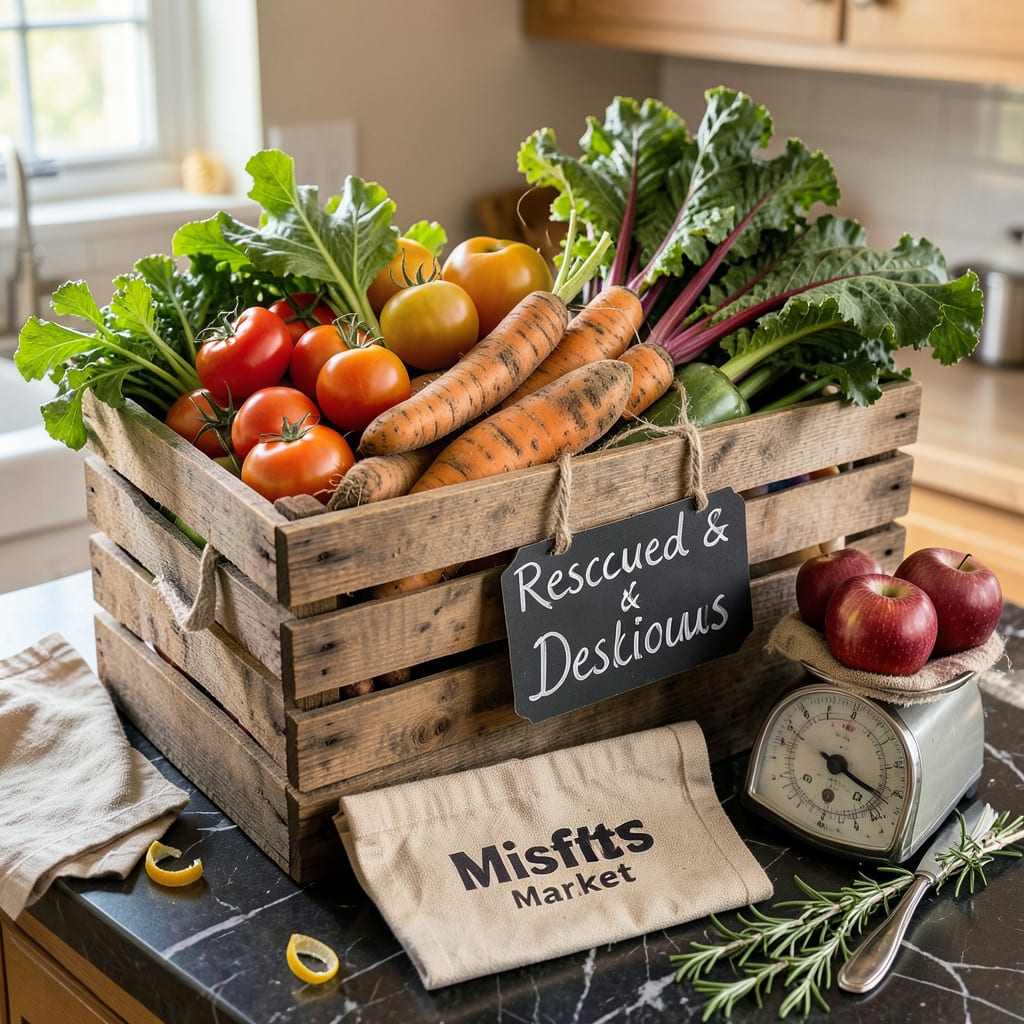
Misfits Market delivers organic, imperfect, or surplus produce at discounted prices through a subscription-based model. Members choose box sizes, customize preferences, and receive weekly or biweekly deliveries of seasonal fruits, vegetables, and pantry staples directly to their doorstep.
This approach tackles two big problems: food waste and grocery affordability. 🔥 I love how they partner directly with farmers to rescue produce that doesn’t meet strict cosmetic standards—think oddly shaped carrots or slightly blemished apples—while keeping quality high. The customization feature is particularly smart; you can skip items you won’t use or add more of what you love, which cuts down on household waste too. Their pricing model often beats traditional grocery stores by 30-40% on comparable organic items, making healthy eating more accessible.
💡 In This Article
- Misfits Market Subscription Model and Pricing Breakdown
- Step-by-Step Guide to Ordering and Receiving Your Misfits Market Box
Misfits Market Subscription Model and Pricing Breakdown
The subscription model operates on three core principles: flexibility, sustainability, and affordability. You start by selecting from two box sizes—Misfits (10-12 items) or Madness (18-22 items)—with prices ranging from $22-$35 depending on your location and seasonal availability.
The real innovation lies in their “ugly produce” sourcing strategy, where they partner with organic farms to purchase cosmetically imperfect produce that would otherwise go to waste—think curved cucumbers, undersized peppers, or apples with minor blemishes that don’t affect taste or nutrition.
Here’s where the cost savings become dramatic. By bypassing traditional grocery store markups (which can add 50-60% to produce prices), Misfits Market passes those savings directly to members. Their direct-farm relationships eliminate middlemen, and their subscription model allows for precise demand forecasting—reducing overstock waste by 40% compared to conventional supermarkets.
I’ve compared receipts and found their organic produce typically costs 30-40% less than Whole Foods or local health food stores, with the added benefit of home delivery.
The customization process is where this service truly shines. Each week, you receive a “pre-view” of your box contents 48 hours before delivery, allowing you to swap out items you won’t use. Their algorithm learns from your preferences—if you consistently skip beets, they’ll stop including them.
Seasonal availability drives the core selection, but you can always add pantry staples like organic grains, nut butters, or artisanal breads. The system even accounts for dietary restrictions, offering filter options for vegan, gluten-free, or low-carb preferences.
What most people don’t realize is how their pricing model adapts to regional differences. A box delivered to New York City might cost $5 more than the same box in rural Ohio due to shipping logistics, but the per-item cost remains consistently lower than grocery stores in both locations.
They’ve also introduced “add-on” markets where you can purchase specialty items like heirloom tomatoes or small-batch hot sauces at member-only prices. The biweekly option provides additional savings—you’ll pay about 15% less per box compared to weekly deliveries, though you sacrifice some freshness flexibility.
For those concerned about commitment, their cancellation policy is refreshingly simple. You can pause or cancel anytime with no penalties, and unused credits carry over to future orders. The environmental impact is substantial too—each box delivered prevents approximately 5 pounds of food waste while using 100% recyclable packaging.
When you consider that 40% of all food in America goes to waste, services like this aren’t just convenient—they’re part of a necessary shift in how we think about grocery shopping.
Pro tip: The “Misfits Marketplace” section (available to subscribers) offers deep discounts on overstock items—sometimes up to 70% off retail prices. I once scored organic avocados for $0.49 each and artisanal pasta for $1.99 per pound.
These deals appear randomly based on surplus inventory, so checking the marketplace before your box ships can lead to incredible bargains. The key is acting fast—popular items often sell out within hours of being listed.
The membership also includes access to exclusive content like seasonal recipe guides and storage tips that help extend produce freshness. Their “Use It Up” series provides creative ways to utilize every part of your vegetables—think carrot top pesto or beet green chips—which aligns perfectly with their zero-waste mission.
This educational component transforms the service from just a grocery delivery to a complete food system that helps you eat healthier while spending less. 💫

Trained in classic French technique but raised on slow-cooked ribs and spicy rubs, she blends culinary skill with smoke and soul.
- Recipe for Boneless Pork Chops in Cast Iron Skillet: Sear and Baste to Juicy Perfection - October 3, 2026
- Recipe for Boneless Cross Rib Roast: Slow-Roasted Beef with Herb Crust - October 3, 2026
- Hamburgers in Sauce Recipe Crock Pot: Slow-Cooked Savory Delight - October 3, 2026