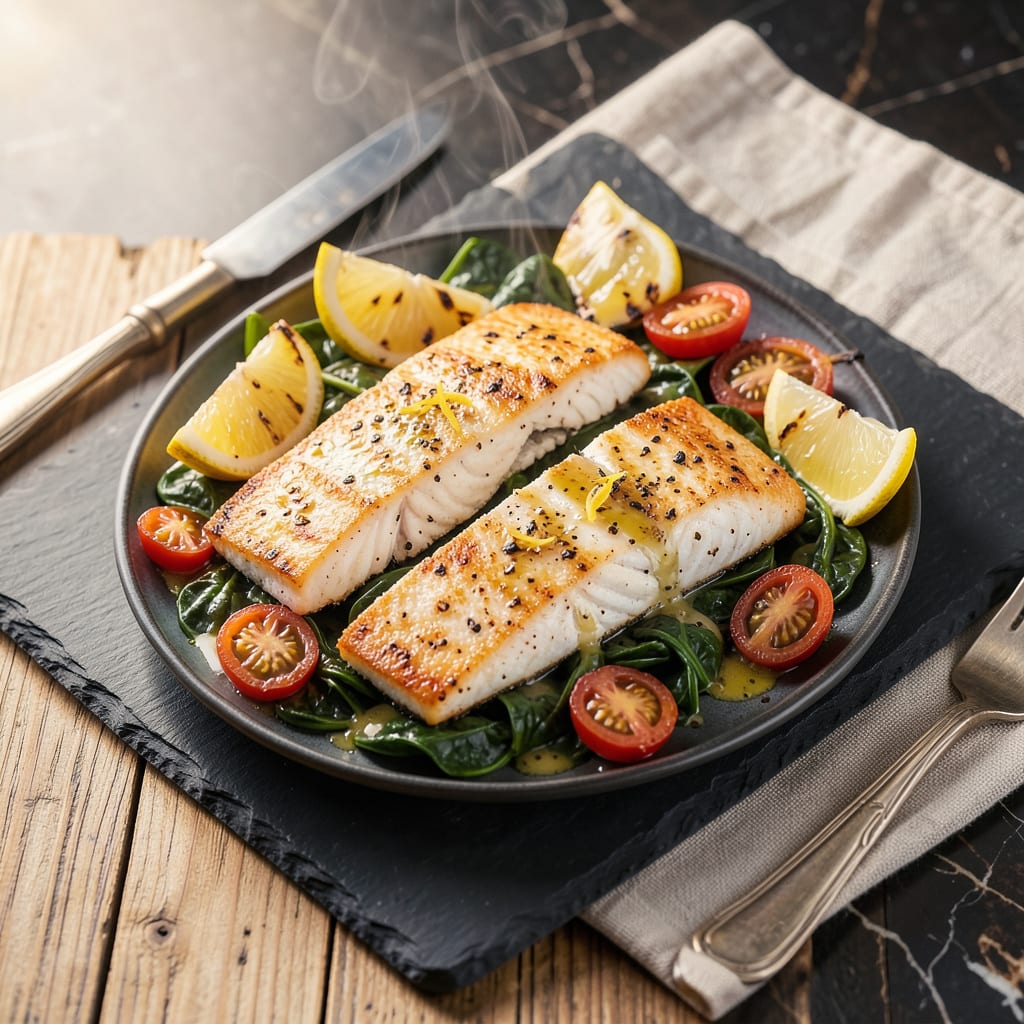
Bake tilapia fillets at 350°F for 12–15 minutes for fresh or thawed fish, or 15–20 minutes if frozen. The fish is done when it reaches 145°F internally and flakes easily with a fork.
Perfect timing is everything when baking tilapia—this delicate white fish transforms from translucent to opaque as it cooks, signaling when it’s ready. 🔥 I’ve found that thickness matters more than weight here: a 1-inch fillet will hit that ideal flakiness right at the 12-minute mark, while thicker cuts need the full 15 minutes. The magic happens when the proteins tighten just enough to hold moisture but not so much that they squeeze it out, which is why I always pull it from the oven the second it reaches 145°F.
What most home cooks miss is how oven placement affects results. A fillet on the upper rack will cook 2-3 minutes faster than one on the lower rack due to heat distribution. ✨ I learned this the hard way after overcooking my first batch—now I rotate pans halfway through for even doneness. The fork test is your best friend: if it slides in with zero resistance and the flesh separates cleanly, you’ve nailed it.
💡 In This Article
- Why Baking Time Varies for Tilapia at 350°F
- Pro Tips for Baking Tilapia at 350°F Without Drying It Out
Why Baking Time Varies for Tilapia at 350°F
The thickness of your fillet is the biggest game-changer here. A ½-inch fillet might finish in just 10-12 minutes, while a 1½-inch monster could need 18-20 minutes to cook through evenly.
This happens because heat penetrates fish at about ¼ inch per 5 minutes at 350°F, so thicker cuts require more time for that gentle heat to reach the center without overcooking the exterior. 🔥
Frozen vs. fresh makes a surprising difference too. Frozen tilapia starts with ice crystals that must first melt and evaporate before the fish begins cooking—this adds 3-5 minutes to your bake time.
What’s wild is that these crystals actually create tiny pockets in the flesh, which can make frozen fillets cook slightly faster once thawed because heat transfers more efficiently through the altered structure. I always pat them bone-dry first to avoid steaming.
Your oven’s personality matters more than you think. Most home ovens fluctuate by ±25°F, meaning your “350°F” might actually be 375°F or 325°F. A 25°F difference can shorten or extend cook time by 2-4 minutes.
That’s why I recommend using an oven thermometer—it’s the only way to know if you’re working with a hotbox or a lukewarm liar. ✨
The protein structure itself changes dramatically during cooking. At 120°F, tilapia’s muscle fibers begin contracting, pushing out moisture. By 140°F, collagen starts breaking down into gelatin, which is what gives properly cooked tilapia that silky texture.
The USDA’s 145°F target ensures harmful bacteria are destroyed while keeping the fish in that perfect window before it turns rubbery.
Here’s what to watch for visually: Raw tilapia appears translucent with a slight blue-gray tint. As it cooks, the flesh turns opaque white and the edges start to pull away from the pan.
The moment you see those first pearl-white beads of protein forming on the surface (around 135°F internally), you’re about 2 minutes from perfect doneness. That’s your cue to start checking with a fork. 💫
Pro placement tip: The back corner of most ovens runs 10-15°F hotter than the front. I rotate my baking sheet 180 degrees halfway through cooking to combat this. For stuffed fillets, add 3-5 minutes to the total time since the filling acts as insulation.
Breaded versions need 2 extra minutes to crisp properly at this gentler temperature.
The fork test reveals everything. When you insert it at the thickest point and twist gently, perfectly cooked tilapia will separate into clean, moist flakes. If it feels resistant or the flakes look dry and stringy, it’s overdone.
Remember that tilapia continues cooking for about 1-2 minutes after leaving the oven due to carryover heat—this is why I pull it at 140-142°F and let it rest. ⚡

Trained in classic French technique but raised on slow-cooked ribs and spicy rubs, she blends culinary skill with smoke and soul.
- Recipe for Boneless Pork Chops in Cast Iron Skillet: Sear and Baste to Juicy Perfection - October 3, 2026
- Recipe for Boneless Cross Rib Roast: Slow-Roasted Beef with Herb Crust - October 3, 2026
- Hamburgers in Sauce Recipe Crock Pot: Slow-Cooked Savory Delight - October 3, 2026