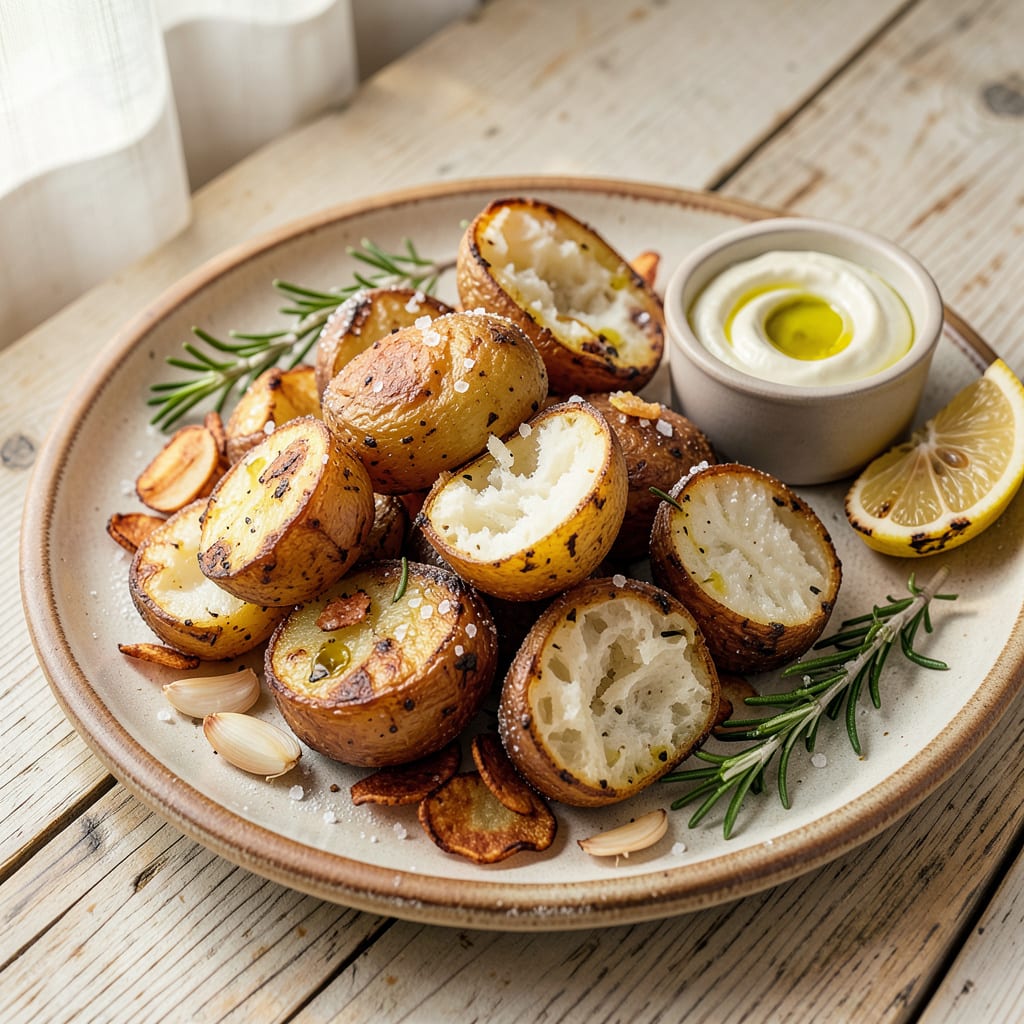
Cooked potatoes should not be left out at room temperature for more than 2 hours (or 1 hour if above 90°F). Beyond this, harmful bacteria like Bacillus cereus can multiply rapidly, increasing food poisoning risks.
This isn’t just about taste—it’s a food safety red flag. 🔥 The starchy, moist environment of cooked potatoes creates the perfect breeding ground for bacteria, especially when left in the “danger zone” between 40°F and 140°F. I’ve seen too many cases where people assume potatoes are safe longer because they’re cooked, but that’s exactly when they become vulnerable. The clock starts ticking the moment they come off the stove or out of the oven.
What makes potatoes particularly risky is their neutral pH level, which doesn’t inhibit bacterial growth like acidic foods might. ✨ Even if they look and smell fine, invisible pathogens could be multiplying. This is why I always recommend transferring potatoes to shallow containers for rapid cooling if you’re not serving them immediately.
💡 In This Article
- Why Cooked Potatoes Spoil Quickly at Room Temperature
- Safe Storage and Reheating Tips for Leftover Potatoes
Why Cooked Potatoes Spoil Quickly at Room Temperature
The moment potatoes are cooked, their cellular structure changes dramatically. The heat breaks down starch molecules into simpler sugars, creating an ideal food source for bacteria. 🔥 Unlike raw potatoes with protective skins, cooked ones have exposed, moist interiors that bacteria can penetrate easily.
This is why a baked potato left on the counter becomes a ticking time bomb—its fluffy texture traps heat and moisture, maintaining the perfect environment for microbial growth.
Temperature plays a critical role in this process. Between 40°F and 140°F—what food scientists call the “danger zone”—bacteria like Bacillus cereus can double their numbers every 20 minutes. A potato cooling on your counter might drop from 212°F to 130°F in an hour, but that’s still well within the danger zone.
The larger the potato (like a 12-ounce russet), the longer it takes to cool completely, giving bacteria more time to multiply.
What makes potatoes particularly vulnerable is their neutral pH (around 6.0-6.5), which doesn’t inhibit bacterial growth like acidic foods (pH <4.6) do. ✨ The starch content also matters—mashed potatoes with added dairy become even riskier because the fat and protein create additional nutrients for bacteria.
I’ve seen cases where creamy potato salads left out for 3 hours developed enough toxins to cause severe vomiting within 6-15 hours of consumption.
The moisture content is another critical factor. Boiled potatoes contain about 80% water, while baked potatoes retain about 75%. This water activity level (aW >0.95) is perfect for bacterial proliferation. Compare this to dried foods like pasta (aW ~0.5), which can safely sit at room temperature for days.
The difference is why I always recommend spreading cooked potatoes in thin layers to cool quickly before refrigerating.
Even the type of potato affects spoilage rates. Waxy varieties like red potatoes (with 16-18% starch) spoil slightly slower than mealy russets (20-22% starch) because their denser structure limits bacterial penetration initially. But don’t be fooled—all cooked potatoes become high-risk after 2 hours at room temperature, regardless of variety.
The USDA confirms this isn’t just cautionary advice; it’s based on documented outbreaks linked to improperly stored potatoes.
Here’s what most people miss: the bacteria that grow on potatoes don’t always make them smell or look bad. 💫 Some strains of Bacillus cereus produce heat-stable toxins that survive reheating. This means you could microwave those leftover potatoes to 165°F and still get sick if they sat out too long initially.
The toxin isn’t destroyed by normal cooking temperatures—it takes prolonged boiling at 212°F for 10+ minutes to break it down.
The takeaway? Treat cooked potatoes like you would raw meat in terms of food safety. Their combination of moisture, nutrients, and neutral pH makes them one of the most perilous leftovers when mishandled.
I’ve made it a habit to set a timer when serving potatoes at gatherings—when that 2-hour mark hits, anything uneaten goes straight into the fridge, no exceptions. Your health isn’t worth the risk of that “just one more hour” mentality.

Trained in classic French technique but raised on slow-cooked ribs and spicy rubs, she blends culinary skill with smoke and soul.
- Recipe for Boneless Pork Chops in Cast Iron Skillet: Sear and Baste to Juicy Perfection - October 3, 2026
- Recipe for Boneless Cross Rib Roast: Slow-Roasted Beef with Herb Crust - October 3, 2026
- Hamburgers in Sauce Recipe Crock Pot: Slow-Cooked Savory Delight - October 3, 2026