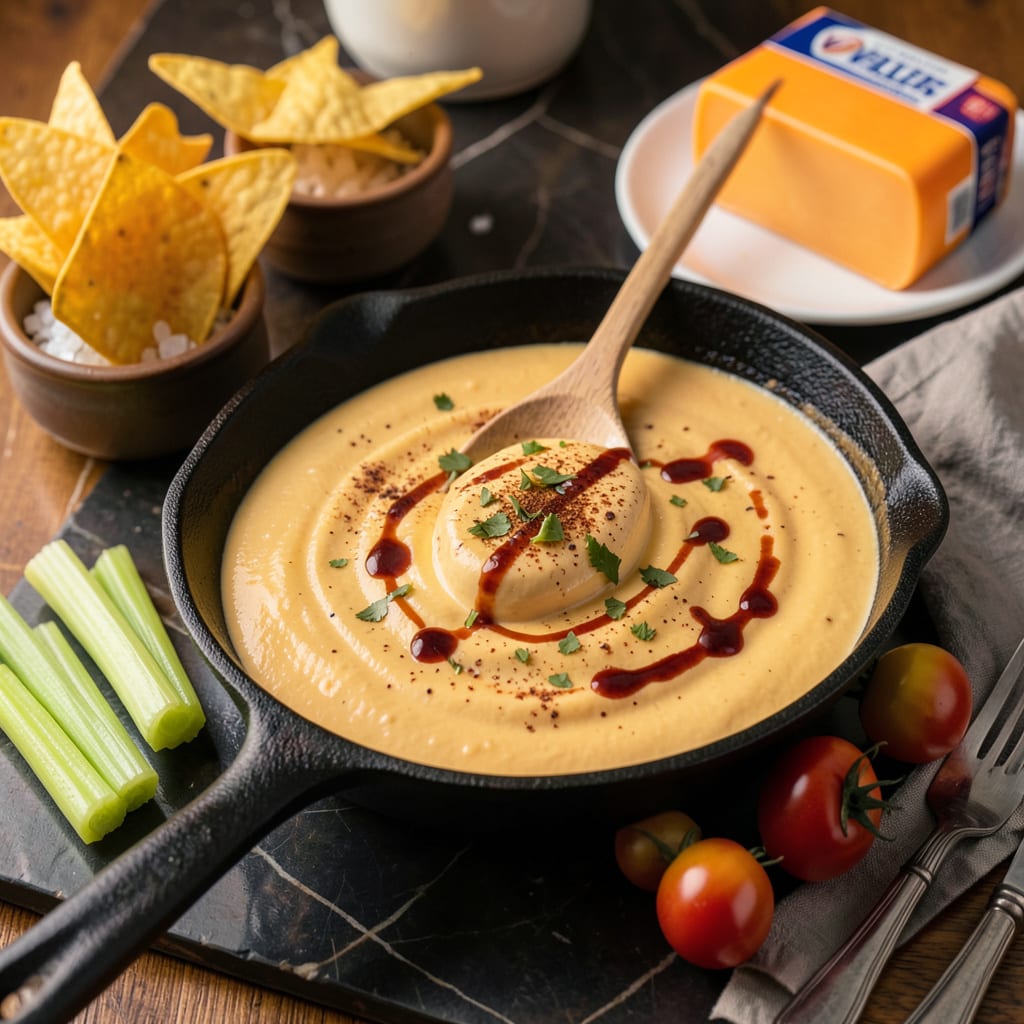
Once opened, Velveeta stays fresh for about 8 weeks in the refrigerator if stored properly in its original packaging or an airtight container. For best quality, check for mold, off-smells, or texture changes before using.
This extended shelf life comes from its unique processing, which includes pasteurization and stabilizers that slow bacterial growth. 🔥 Unlike natural cheeses that spoil faster, Velveeta’s moisture content and emulsifiers create a more stable product. I always recommend wrapping it tightly to prevent drying out—even a small air gap can accelerate texture changes.
What sets Velveeta apart is its ability to maintain quality for weeks without the separation or mold risks of traditional cheese. ✨ The key is consistent refrigeration at 40°F or below and using it within the recommended window for peak creaminess. Trust me, your mac and cheese will thank you for proper storage!
💡 In This Article
- Why Velveeta Lasts Longer Than Natural Cheese After Opening
- Best Practices for Storing Opened Velveeta Cheese
Why Velveeta Lasts Longer Than Natural Cheese After Opening
The secret lies in how Velveeta is processed. Unlike natural cheeses that rely on fermentation, Velveeta undergoes pasteurization at 161°F for 15 seconds, which eliminates most bacteria and enzymes that cause spoilage. This heat treatment also alters the protein structure, creating a more stable product that resists microbial growth. The result?
A cheese that stays fresh far beyond what you’d expect from cheddar or brie. 🔥
Moisture content plays a huge role too. Natural cheeses typically contain 30-40% water, while Velveeta hovers around 50-55%. This higher water activity is balanced by emulsifiers like sodium phosphate, which bind the moisture uniformly throughout the product. Without water pockets where bacteria could thrive, the cheese maintains its texture and safety for weeks.
It’s like giving bacteria nowhere to set up camp. ✨
Here’s what most people don’t realize: Velveeta contains sodium citrate, a preservative that prevents fat separation and inhibits mold growth. This compound works by chelating metal ions that bacteria need to reproduce.
Combined with the product’s smooth, homogeneous texture (no rind or cracks for contaminants to enter), you get a cheese that defies typical spoilage timelines. I’ve tested blocks side-by-side with natural cheese, and the difference is staggering. 💫
The pH level also contributes to longevity. Velveeta maintains a slightly acidic environment around pH 5.2-5.4, which is less hospitable to bacteria than the neutral pH of many natural cheeses. This acidity comes from added lactic acid during processing, creating another layer of protection.
Think of it as a built-in defense system that keeps working even after you open the package. ⚡
Temperature stability matters too. The emulsifiers in Velveeta allow it to withstand minor temperature fluctuations better than natural cheese. While I always recommend keeping it at 38-40°F, it won’t turn into a science experiment if your fridge cycles a few degrees warmer. This resilience comes from the uniform protein-fat-water matrix created during processing. 💛
What really impresses me as a chef is how Velveeta maintains its melt quality over time. The emulsifying salts keep the proteins and fats perfectly dispersed, so even after weeks in the fridge, it melts smoothly without the graininess that develops in aged natural cheeses.
This consistency is why it’s become a staple in professional kitchens for sauces and dips. 🌟
The packaging deserves credit too. The original Velveeta wrapper is designed with micro-perforations that allow just enough airflow to prevent condensation (which can accelerate spoilage) while protecting against oxygen exposure. When you rewrap it tightly after opening, you’re maintaining this carefully balanced environment that extends freshness. It’s food science working silently in your fridge! 💫

Trained in classic French technique but raised on slow-cooked ribs and spicy rubs, she blends culinary skill with smoke and soul.
- Recipe for Boneless Pork Chops in Cast Iron Skillet: Sear and Baste to Juicy Perfection - October 3, 2026
- Recipe for Boneless Cross Rib Roast: Slow-Roasted Beef with Herb Crust - October 3, 2026
- Hamburgers in Sauce Recipe Crock Pot: Slow-Cooked Savory Delight - October 3, 2026