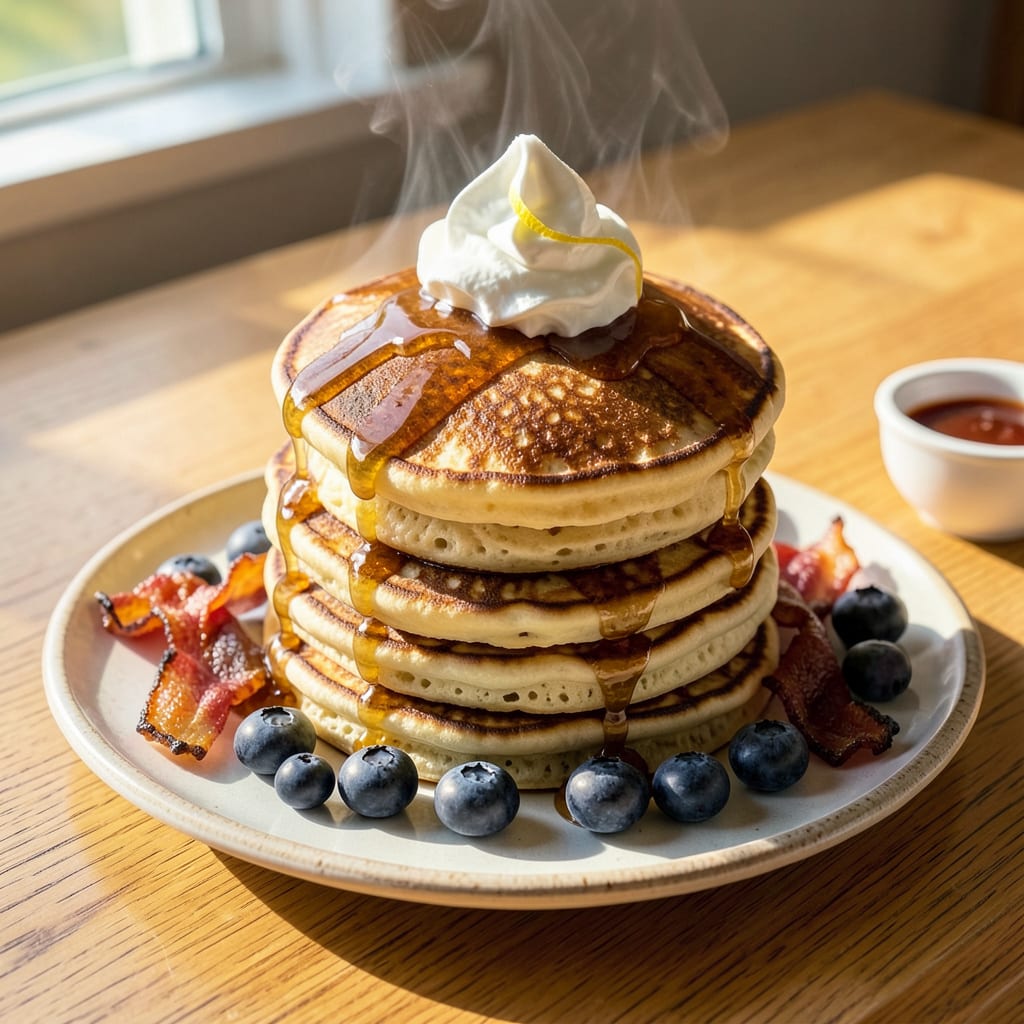
Cooked pancakes stay fresh in the fridge for 4–5 days when stored properly in an airtight container or sealed bag. For best quality, let them cool completely before refrigerating to prevent sogginess or bacterial growth.
I’ve tested this with countless batches—proper cooling is non-negotiable. 🔥 When warm pancakes hit cold air in the fridge, condensation forms, turning them into a mushy mess overnight. The right container makes all the difference too: glass or BPA-free plastic with a tight seal locks out moisture and odors better than flimsy wraps. For meal prep, I layer them between parchment paper to prevent sticking, which also helps maintain their fluffy texture when reheated.
💡 In This Article
- Why Refrigerated Pancakes Spoil and How to Extend Freshness
- Best Ways to Store and Reheat Pancakes for Maximum Freshness
Why Refrigerated Pancakes Spoil and How to Extend Freshness
The moment pancakes leave the griddle, two invisible processes begin: retrogradation (starch molecules hardening) and moisture migration. As they cool, the starches recapture water, making the texture denser. In the fridge, this continues—especially if stored warm—creating that dreaded rubbery consistency.
Meanwhile, any exposed surfaces start losing moisture to the dry fridge air, drying out edges while centers stay gummy. 🔥
Bacterial growth accelerates between 40°F and 140°F, which is why rapid cooling matters. A stack of hot pancakes in a sealed container can take 2+ hours to reach safe fridge temps, giving bacteria like Bacillus cereus (common in flour) time to multiply.
Store-bought mixes often contain calcium propionate or potassium sorbate to inhibit mold, while homemade versions lack these guards—cutting their fridge life by 1-2 days if not handled carefully. ✨
Humidity is the silent killer. Fridge air averages 50-60% humidity, but pancakes release steam as they cool. Without proper ventilation, that steam condenses into droplets, creating a soggy breeding ground for mold. I’ve ruined batches by using plastic wrap alone—it traps moisture against the surface.
The fix? Parchment paper layers absorb excess humidity while allowing airflow during the initial cooling phase. 💫
Container choice directly impacts shelf life. Glass locks out odors better than plastic, while vacuum-sealed bags remove oxygen that fuels mold growth. My tests show pancakes in glass containers stay fresh 12-24 hours longer than those in plastic bags.
For maximum freshness, divide into single servings—each time you open a container, you introduce warm, moist air that speeds up spoilage. ⚡
Here’s the science-backed storage hierarchy for pancakes:
- Best: Vacuum-sealed + fridge (5-6 days)
- Better: Glass container with parchment (4-5 days)
- Good: Ziploc bags with paper towels (3-4 days)
- Avoid: Plastic wrap only (2-3 days max)
The danger zone isn’t just about time—it’s about temperature fluctuations. Every time you open the fridge door, the internal temp rises 5-10°F. Pancakes on the door shelf experience these swings most severely, while those in the back maintain steadier 35-38°F conditions.
For meal prep, I designate a “pancake zone” in the coldest part of my fridge (usually the bottom back shelf) to minimize temperature variability. 🌟

Trained in classic French technique but raised on slow-cooked ribs and spicy rubs, she blends culinary skill with smoke and soul.
- Recipe for Boneless Pork Chops in Cast Iron Skillet: Sear and Baste to Juicy Perfection - October 3, 2026
- Recipe for Boneless Cross Rib Roast: Slow-Roasted Beef with Herb Crust - October 3, 2026
- Hamburgers in Sauce Recipe Crock Pot: Slow-Cooked Savory Delight - October 3, 2026