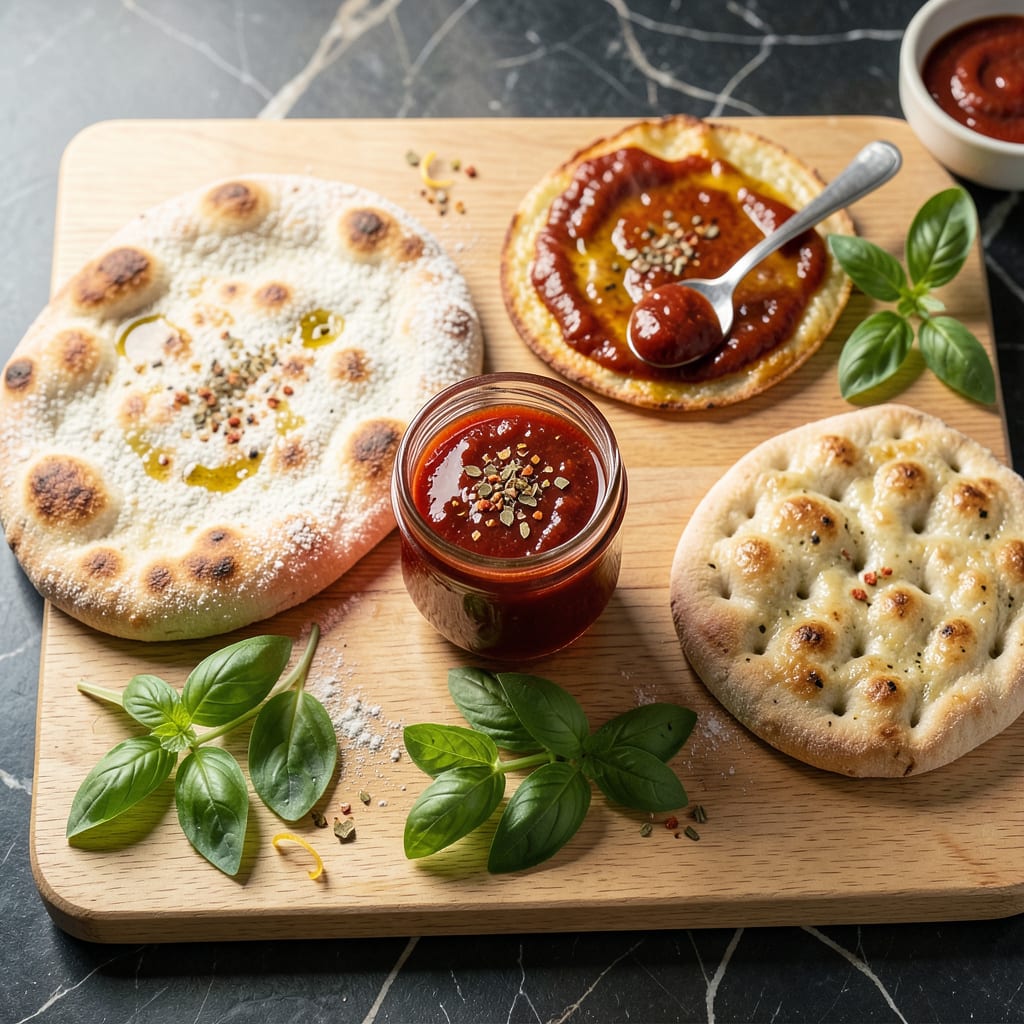
Homemade pizza sauce lasts 5-7 days in the fridge when stored in an airtight container. Unopened store-bought sauce stays fresh until the printed date, while opened lasts 7-10 days refrigerated.
What really determines how long your sauce stays fresh is the balance between acidity and preservation. 🔥 Homemade versions lack commercial preservatives, so their lifespan is shorter—think of them like fresh salsa rather than jarred marinara. I’ve noticed that sauces with higher tomato concentration or added citrus tend to hold up slightly better because the acidity naturally inhibits bacterial growth.
For store-bought options, the difference between unopened and opened shelf life comes down to exposure. 💫 Once that seal breaks, oxygen and potential contaminants enter the equation, accelerating the degradation process. That’s why I always recommend transferring opened sauce to a smaller, tightly sealed container—it minimizes air contact and extends freshness.
💡 In This Article
- Factors Affecting Pizza Sauce Shelf Life in the Fridge
- Best Practices for Storing Pizza Sauce Longer
Factors Affecting Pizza Sauce Shelf Life in the Fridge
The difference between homemade and store-bought longevity comes down to preservation science. 🔥 Commercial sauces contain sodium benzoate or citric acid—preservatives that inhibit mold and bacterial growth for months. Homemade versions rely solely on natural acidity (tomatoes have pH 4.3-4.9) and refrigeration, which slows but doesn’t stop microbial activity.
That’s why your DIY sauce lasts about a week while unopened jars stay safe for years.
Temperature fluctuations dramatically impact freshness. Your fridge should maintain 35-40°F—every 5°F increase cuts shelf life by 50%. 💫 Container choice matters too: glass preserves flavor better than plastic but both must be airtight. Oxygen exposure causes oxidation, turning vibrant red sauce dull brown and accelerating spoilage.
I’ve seen sauces in shallow containers spoil faster because of increased surface area contact with air.
The ingredient composition creates subtle but important variations. Sauces with garlic or herbs may spoil slightly faster due to their moisture content, while those with olive oil (a natural preservative) can last an extra day or two.
🌟 Commercial brands often add calcium chloride to maintain texture—this is why store-bought sauce stays thicker longer than homemade versions that may separate.
Watch for these spoilage signs: mold (even tiny spots), sour/metallic odors, or texture changes like sliminess. A thin watery layer on top doesn’t always mean spoilage—this is natural syneresis (liquid separation) that happens in all tomato-based products. 💛 The real test is stirring it back in—if the sauce re-emulsifies smoothly, it’s still good.
When in doubt, remember that foodborne pathogens don’t always announce themselves with obvious signs.
Here’s what most people overlook: cross-contamination from dirty spoons or pizza crust crumbs introduces bacteria that can cut shelf life in half. 💫 I always use a clean utensil each time and wipe the container rim before resealing.
For opened store-bought sauce, transferring to a smaller container reduces air exposure—this simple step can add 2-3 extra days of freshness.
Acidity levels play a crucial role in preservation. Sauces with added lemon juice or vinegar (lowering pH below 4.6) create an environment where most bacteria can’t survive. ✨ This is why some homemade recipes last nearly as long as commercial versions—it’s all about that acid balance.
The USDA considers foods with pH below 4.6 “high-acid” and safer for longer storage.
The container’s material affects flavor retention too. Glass maintains original taste better but shows temperature changes more dramatically—you might notice condensation inside. 🔥 Plastic is more forgiving with temperature swings but can absorb odors over time.
For best results, choose opaque containers to protect from light degradation, which breaks down the sauce’s vibrant color and fresh tomato flavor.

Trained in classic French technique but raised on slow-cooked ribs and spicy rubs, she blends culinary skill with smoke and soul.
- Recipe for Boneless Pork Chops in Cast Iron Skillet: Sear and Baste to Juicy Perfection - October 3, 2026
- Recipe for Boneless Cross Rib Roast: Slow-Roasted Beef with Herb Crust - October 3, 2026
- Hamburgers in Sauce Recipe Crock Pot: Slow-Cooked Savory Delight - October 3, 2026