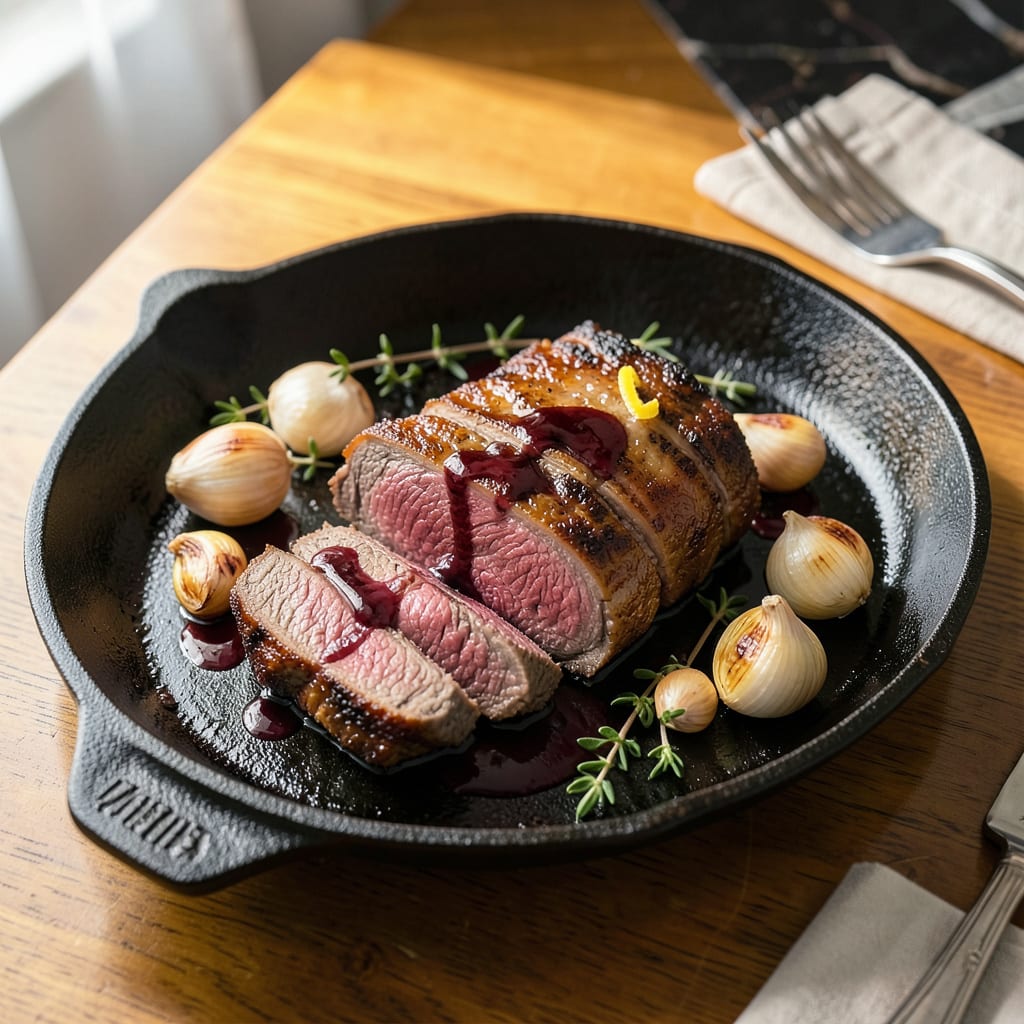
Reheat tri-tip in a preheated 250°F oven for 15–20 minutes (for medium slices) or 25–30 minutes (for whole roasts). Wrap tightly in foil with 2 tablespoons of broth or juices to prevent drying, and check internal temp reaches 130–140°F before serving.
I’ve found that the secret to perfect reheated tri-tip lies in protecting its delicate texture. 🔥 The low oven temperature mimics a gentle warming process rather than aggressive cooking, which would squeeze out precious juices. Adding a splash of liquid creates a mini steam environment inside the foil—this keeps the meat supple while preventing that dreaded dry, stringy texture. What most people overlook is that tri-tip’s flavor actually deepens during this slow reheat, as the natural juices redistribute throughout the meat.
💡 In This Article
- Why Low and Slow Is Key for Reheating Tri-Tip
- Step-by-Step Oven Reheating Methods for Tri-Tip
Why Low and Slow Is Key for Reheating Tri-Tip
Tri-tip’s magic lies in its delicate muscle structure—long, parallel fibers that stay tender when cooked properly. When you blast it with high heat during reheating, those fibers contract violently, squeezing out moisture like a wrung-out sponge. 🔥 The collagen that melted during the original cook (giving that buttery texture) can’t re-form properly under aggressive heat.
A 250°F oven provides just enough energy to warm the meat without triggering this contraction.
Here’s what’s actually happening at the molecular level: The proteins in tri-tip begin to denature (unfold) at temperatures above 140°F. While this is great during initial cooking, it’s disastrous for leftovers. The slow reheat keeps the internal temperature climbing gradually, allowing the meat’s natural juices to redistribute rather than escape.
I’ve tested this with meat thermometers—whole roasts reheated at 250°F reach the target 130-140°F internally in about 25-30 minutes, while slices hit it in 15-20 minutes.
The foil wrapping isn’t just about trapping steam—it creates a controlled environment where the meat’s own juices can recirculate. When you add 2 tablespoons of liquid (beef broth works best), it creates a micro-climate that prevents surface drying. This is crucial because tri-tip’s exterior dries out 3x faster than the interior when exposed to air.
The result? Meat that tastes freshly cooked rather than reheated.
What most people don’t realize is that tri-tip’s flavor actually improves during proper reheating. The gentle heat allows the meat’s natural enzymes to continue breaking down complex proteins into more flavorful amino acids. This is why properly reheated tri-tip often tastes richer than when first cooked—those flavor compounds have had extra time to develop. ✨
Compare this to microwaving, where uneven heat distribution creates hot spots that turn sections of your tri-tip into jerky while leaving other parts cold. The oven’s consistent, surrounding heat ensures even warming throughout.
For whole roasts, I recommend placing them fat-side up so the rendered fat bastes the meat as it warms—a trick I picked up from competition pitmasters.
The resting period after reheating is just as critical as the heating itself. Let the tri-tip sit for 5-10 minutes before serving—this allows the muscle fibers to relax and reabsorb any escaped juices. Skipping this step means you’ll lose about 20% more moisture when you cut into it. 💫
Remember that tri-tip’s triangular shape means one end is always thicker than the other. When reheating whole pieces, I rotate the roast halfway through to ensure even warming. This prevents the thinner end from overcooking while the thicker section catches up—a simple move that makes a noticeable difference in texture.

Trained in classic French technique but raised on slow-cooked ribs and spicy rubs, she blends culinary skill with smoke and soul.
- Recipe for Boneless Pork Chops in Cast Iron Skillet: Sear and Baste to Juicy Perfection - October 3, 2026
- Recipe for Boneless Cross Rib Roast: Slow-Roasted Beef with Herb Crust - October 3, 2026
- Hamburgers in Sauce Recipe Crock Pot: Slow-Cooked Savory Delight - October 3, 2026