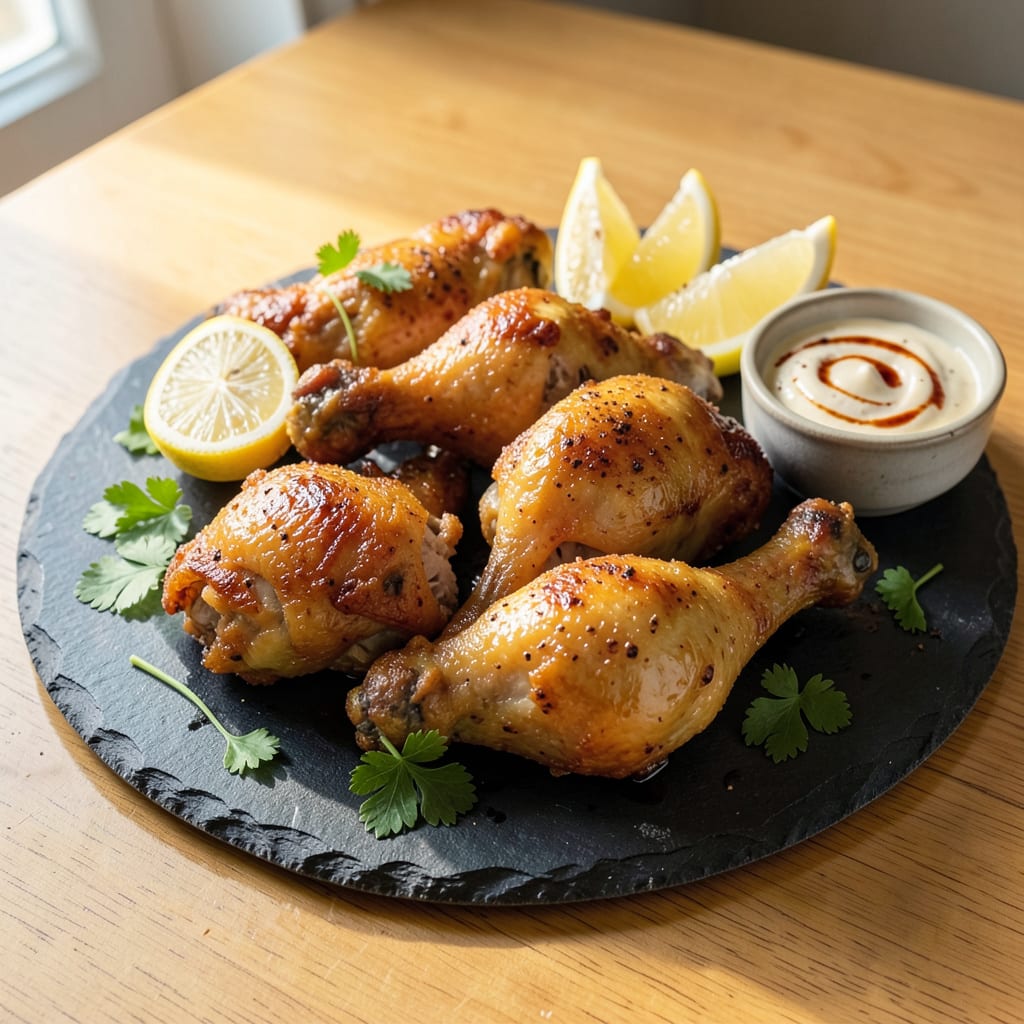
Fry bone-in chicken pieces without flour at 350°F (175°C) for 12-15 minutes per side until golden and internal temperature reaches 165°F. Boneless cuts need 6-8 minutes per side for crispiness.
Getting that perfect golden crust without flour is all about mastering moisture control and heat distribution. 🔥 The absence of flour means the chicken’s natural proteins and fats become the star players—you’ll notice they create a thinner but intensely flavorful crust when cooked at the right temperature. I’ve found that using a well-heated cast iron skillet helps maintain consistent oil temperature, which is crucial since there’s no flour to buffer heat fluctuations.
What surprises most home cooks is how much the chicken’s surface dryness affects the final texture. Boneless pieces cook faster because they lack the insulating bone, so they’ll develop that coveted crispness in about half the time of bone-in cuts. The key is monitoring the oil’s shimmer—when it’s at that perfect 350°F sweet spot, you’ll hear a steady sizzle that tells you the chicken is cooking evenly without absorbing excess oil. ✨
💡 In This Article
- Why Frying Time Changes Without Flour Coating
- Pro Tips for Extra-Crispy Flourless Fried Chicken
Why Frying Time Changes Without Flour Coating
When you skip flour, the chicken’s surface proteins become the primary barrier between the meat and hot oil. These proteins coagulate rapidly at 325-375°F, forming a thin but dense crust that browns faster than flour-based coatings.
Without flour’s insulating layer, heat transfers directly to the meat, which means you’ll see browning begin in just 2-3 minutes compared to the 4-5 minutes typical with breaded chicken. 🔥
The moisture dynamics shift dramatically too. Flour absorbs and releases steam gradually, but bare chicken releases moisture immediately upon contact with hot oil. This creates micro-steam pockets that can cause uneven cooking if the oil temperature fluctuates.
Bone-in pieces need those extra 12-15 minutes because the bones act as heat sinks, slowing the cooking process while the surrounding meat develops that coveted crisp texture.
What most cooks overlook is how the Maillard reaction behaves differently without flour’s sugars. Chicken’s natural amino acids and reducing sugars still react, but at a slower rate since there’s less surface area for browning.
This explains why boneless cuts achieve optimal crispness in just 6-8 minutes—their thinner profile allows heat to penetrate evenly while still developing sufficient browning through protein caramelization. ✨
The oil’s role becomes more critical without flour’s buffering effect. At 350°F, oil conducts heat directly to the meat’s surface proteins, causing them to tighten and form that crisp layer. But drop just 25°F below this, and you’ll get greasy rather than crisp results because the proteins won’t set quickly enough to seal in juices.
This temperature precision is why professional kitchens use thermometers—visual cues alone can be misleading with flourless frying. 💫
Consider how the chicken’s pH affects cooking time too. Fresh chicken has a slightly acidic pH (~5.7-6.0), which makes its proteins coagulate at lower temperatures than flour’s starches. This means the outer layer sets faster, requiring you to monitor internal temperature more carefully.
I’ve found that bone-in thighs often need the full 15 minutes per side to reach 165°F internally while maintaining that perfect golden exterior. 🌟
Here’s what’s happening at the microscopic level: Without flour’s starch granules to absorb oil, the chicken’s collagen fibers contract more dramatically when heated. This creates that signature “snap” when you bite into properly fried flourless chicken.
The tradeoff is that these fibers can squeeze out moisture too quickly if overcooked, which is why boneless pieces have such a narrow 6-8 minute window for perfection. ⚡
The absence of flour also means you’re working with the chicken’s natural fat distribution. Dark meat’s higher fat content (about 10-12% vs. 2-3% in breast meat) creates more rendering during frying, which actually helps crisp the surface.
This fat rendering explains why thighs often develop better texture than breasts in flourless frying—those rendered fats essentially self-baste the meat while contributing to browning. 💛

Trained in classic French technique but raised on slow-cooked ribs and spicy rubs, she blends culinary skill with smoke and soul.
- Recipe for Boneless Pork Chops in Cast Iron Skillet: Sear and Baste to Juicy Perfection - October 3, 2026
- Recipe for Boneless Cross Rib Roast: Slow-Roasted Beef with Herb Crust - October 3, 2026
- Hamburgers in Sauce Recipe Crock Pot: Slow-Cooked Savory Delight - October 3, 2026