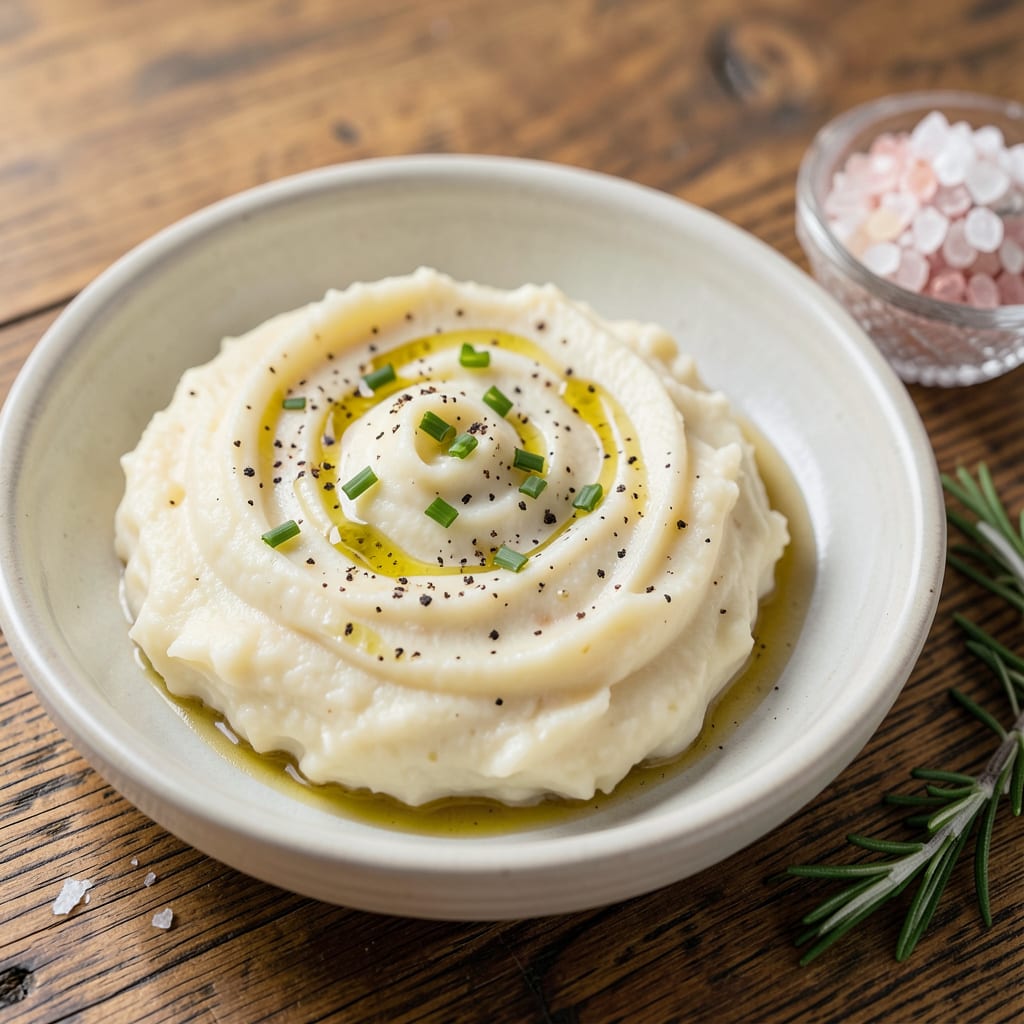
Plain homemade mashed potatoes contain about 10-30mg of sodium per cup, while restaurant or instant versions can have 500-1,200mg due to added salt, butter, and milk. The sodium content varies dramatically based on preparation method.
This huge difference comes down to how they’re prepared. 🔥 When you make them from scratch, you control every ingredient—using unsalted butter or skipping added salt keeps numbers low. But restaurants and instant brands pack in sodium for flavor and preservation. I’ve seen some store-bought versions with nearly a day’s worth of sodium in one serving! That’s why reading labels matters, especially if you’re watching your intake.
💡 In This Article
- Sodium Content Variations in Homemade vs Store-Bought Mashed Potatoes
- How to Reduce Sodium in Mashed Potatoes Without Sacrificing Flavor
Sodium Content Variations in Homemade vs Store-Bought Mashed Potatoes
Let’s break down why the sodium difference is so dramatic. A plain russet potato contains only about 10mg of sodium per cup naturally. When you make mashed potatoes at home, the sodium content skyrockets based on what you add.
A single teaspoon of table salt contains 2,325mg of sodium, and many recipes call for 1-2 teaspoons per batch. Even 1/2 cup of whole milk adds 50-60mg, while 2 tablespoons of butter contributes another 150-200mg. It adds up fast! 🔥
Restaurant versions take this even further. Chefs typically use salted butter, heavy cream, and generous salt seasoning to create that rich, restaurant-quality flavor. A standard restaurant serving (about 1 cup) often contains 800-1,200mg of sodium—that’s half your daily recommended limit!
The cooking process matters too: restaurants often boil potatoes in salted water, which allows the potatoes to absorb even more sodium before mashing. This is why that creamy restaurant mash tastes so addictive but comes with a sodium price tag. ✨
Instant mashed potatoes are the sodium heavyweights. Brands like Idahoan and Betty Crocker add sodium phosphate, monosodium glutamate (MSG), and other preservatives that dramatically increase sodium levels. A single serving (about 2/3 cup dry mix) can contain 500-700mg before you even add water or milk.
The processing removes natural potato flavor, so manufacturers compensate with salt and enhancers. Some “loaded” or “flavored” varieties pack over 1,000mg per serving—more than many fast-food burgers! 💥
Here’s what most people don’t realize: the potato variety affects sodium absorption. Waxy potatoes like Yukon Golds absorb less salt during cooking than starchy russets. The mashing technique plays a role too—overworking potatoes releases more starch, which can bind with sodium differently.
Even the water you use matters: hard water with high mineral content can slightly increase sodium measurements in the final dish. These small factors create big variations between batches. 🌟
For perspective, consider these real-world comparisons:
- Homemade (no salt added): 10-30mg per cup
- Homemade (typical recipe): 300-500mg per cup
- Restaurant serving: 800-1,200mg per cup
- Instant (prepared as directed): 500-900mg per serving
- Fast-food mashed potatoes: 1,000-1,500mg per serving
The preparation method creates this massive range. Boiling potatoes in salted water can increase sodium content by 30-50% compared to using unsalted water. Restaurant kitchens often use salted butter (90mg sodium per tablespoon) versus unsalted (0mg), and heavy cream (5mg per tablespoon) instead of milk.
These small choices make a huge difference in the final sodium count. The next time you order that “harmless” side of mash, you might be getting more sodium than you bargained for! ⚡

Trained in classic French technique but raised on slow-cooked ribs and spicy rubs, she blends culinary skill with smoke and soul.
- Recipe for Boneless Pork Chops in Cast Iron Skillet: Sear and Baste to Juicy Perfection - October 3, 2026
- Recipe for Boneless Cross Rib Roast: Slow-Roasted Beef with Herb Crust - October 3, 2026
- Hamburgers in Sauce Recipe Crock Pot: Slow-Cooked Savory Delight - October 3, 2026