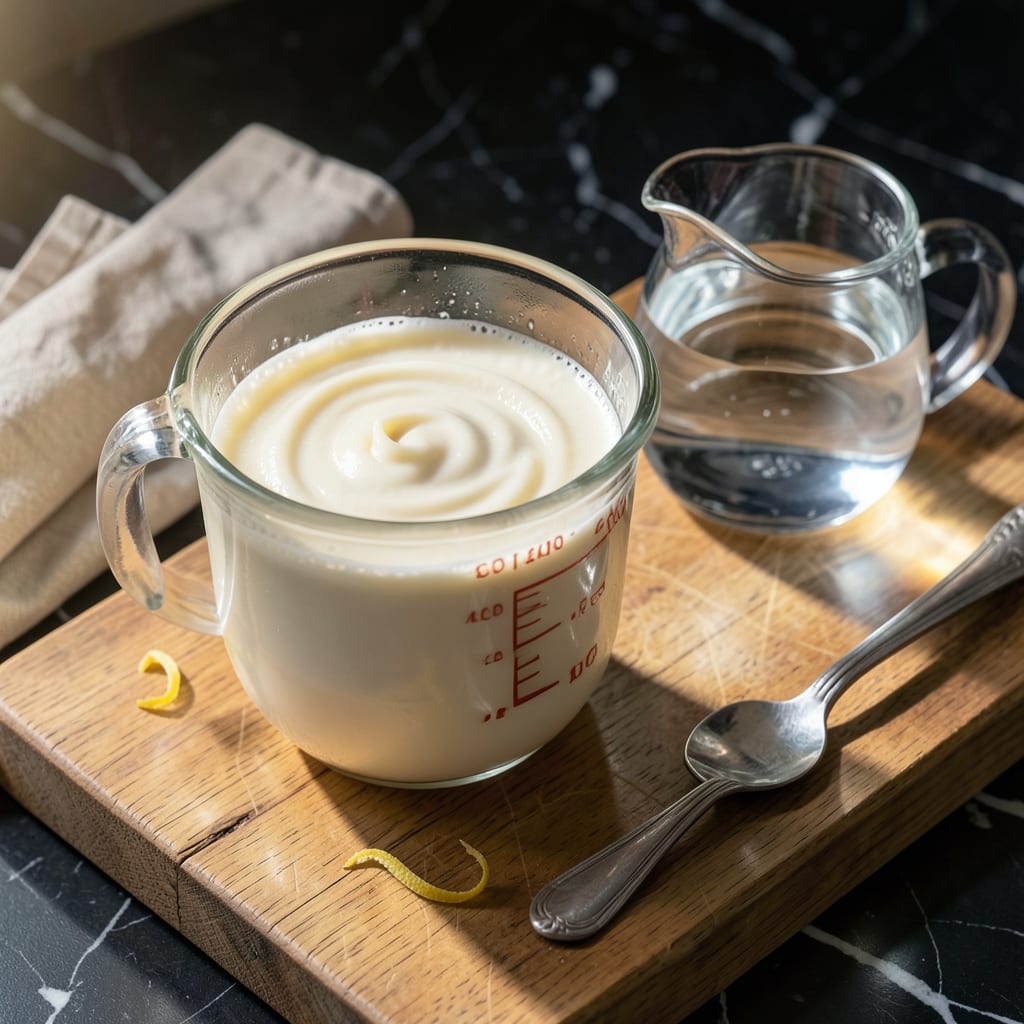
For standard coconut milk consistency, dilute 1 part coconut cream with 1 part water (1:1 ratio). For lighter milk, use up to 2 parts water. Always mix thoroughly for even texture.
This ratio works because coconut cream contains about 70-80% fat, while traditional coconut milk sits around 50-60%. The water doesn’t just thin it out—it actually helps redistribute the fat molecules for that signature creamy consistency. 🔥 I’ve found that using warm (not hot) water creates the smoothest blend, especially if you’re making curries or sauces where texture matters most. For baking applications, you might want to lean toward the 1:1 ratio to maintain richness.
💡 In This Article
- Understanding Coconut Cream vs Coconut Milk Ratios
- Best Practices for Diluting Coconut Cream at Home
Understanding Coconut Cream vs Coconut Milk Ratios
The fat content difference between coconut cream and milk is dramatic. Coconut cream packs 70-80% fat, giving it that thick, spoonable texture perfect for desserts. Traditional coconut milk contains 50-60% fat, creating a pourable yet rich liquid. The water you add doesn’t just dilute—it reorganizes the fat molecules through emulsification, preventing separation while maintaining creaminess.
🔥
Here’s what’s actually happening at the molecular level: Coconut fat globules are naturally surrounded by proteins that repel water. When you add water and mix thoroughly, these proteins get redistributed, allowing fat and water to coexist smoothly.
The ideal 1:1 ratio mimics commercial coconut milk’s fat percentage, while a 1:2 ratio creates what’s called “light coconut milk” (about 30-40% fat)—perfect for soups or smoothies where you want flavor without heaviness. ✨
Temperature plays a crucial role in this process. Cold water can cause fat to solidify into tiny clumps, creating a grainy texture. Warm water (100-110°F) keeps the fats liquid while encouraging proper emulsification.
I’ve tested this with both canned and homemade coconut cream—the warm water method consistently produces smoother results, especially when using a blender for 30-60 seconds on medium speed. 💫
What most people don’t realize is that coconut milk’s consistency changes dramatically with temperature. Straight from the fridge, it thickens noticeably (even at proper ratios). At room temperature (70-75°F), it flows like heavy cream. This temperature sensitivity explains why recipes often call for “well-mixed” coconut milk—it ensures the fat stays evenly distributed throughout cooking. 🌟
For baking applications, the 1:1 ratio maintains structural integrity in cakes and custards. The higher fat content mimics dairy cream’s behavior in batters. In savory dishes like Thai curries, the 1:1.5 ratio (slightly lighter) allows the milk to reduce properly without breaking.
The key is matching your ratio to the dish’s cooking method—long simmering benefits from slightly more water to prevent fat separation. ⚡
Consider these fat content comparisons:
- Heavy cream: ~36-40% fat (similar to 1:2 diluted coconut milk)
- Whole milk: ~3.5% fat (much lighter than any coconut milk)
- Half-and-half: ~10-12% fat (between light and regular coconut milk)
The emulsification process also affects flavor release. Properly diluted coconut milk disperses its natural sugars and aromatics more evenly throughout dishes. That’s why a well-mixed 1:1 ratio in curry tastes richer than simply adding cream—you’re maximizing flavor extraction from the coconut solids while maintaining the perfect creamy consistency. 💫

Trained in classic French technique but raised on slow-cooked ribs and spicy rubs, she blends culinary skill with smoke and soul.
- Recipe for Boneless Pork Chops in Cast Iron Skillet: Sear and Baste to Juicy Perfection - October 3, 2026
- Recipe for Boneless Cross Rib Roast: Slow-Roasted Beef with Herb Crust - October 3, 2026
- Hamburgers in Sauce Recipe Crock Pot: Slow-Cooked Savory Delight - October 3, 2026