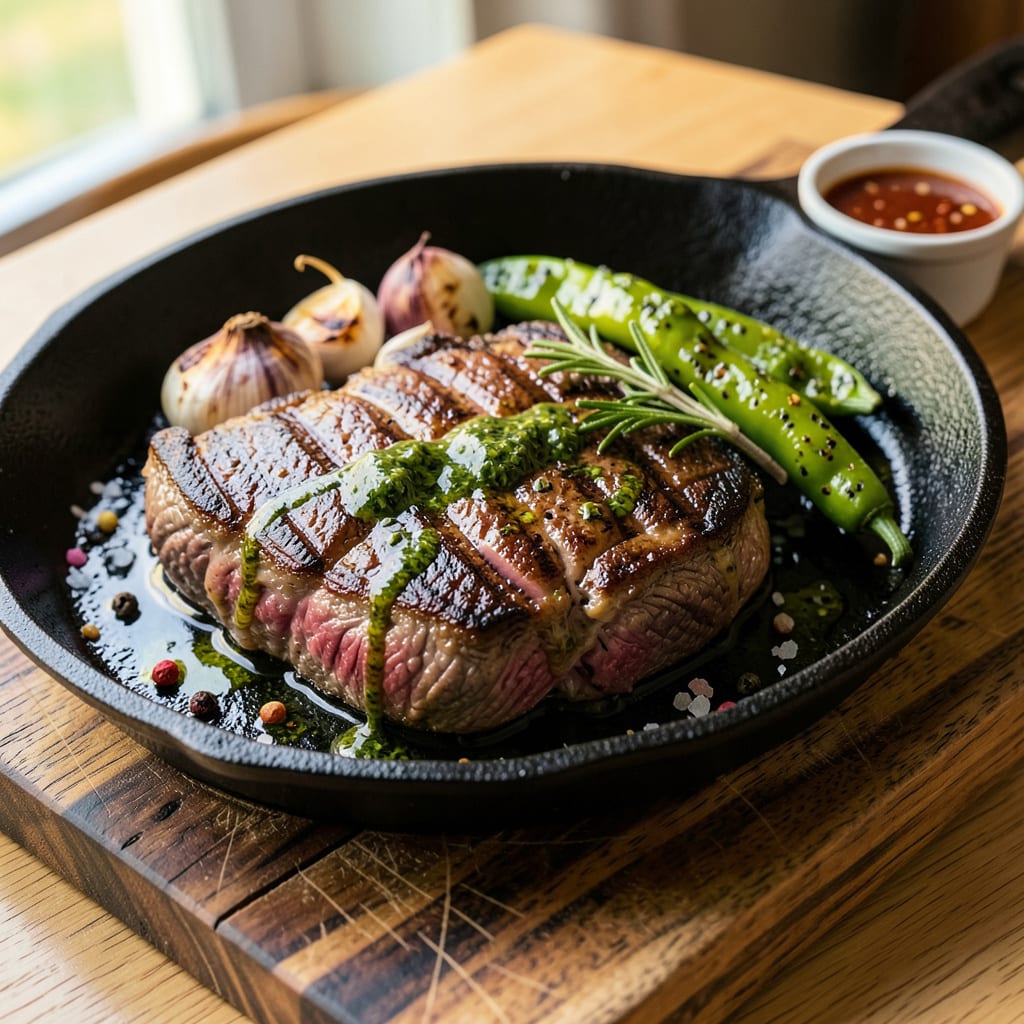
Here’s the thing—I used to think convection ovens were just for baking cookies until I tried cooking steak in one. Game changer. Seriously. That circulating hot air creates the most juicy, evenly cooked steak with a crust that rivals any grill. No smoke, no flare-ups, just perfect results every time.
I’ll be real with you: the key is adjusting your temps and timing. Convection cooks faster than conventional, so I drop the temp by 25°F and keep a close eye on the clock. A simple salt-and-pepper rub is all you need—the high heat does the rest. The fan circulates that dry heat, giving you a beautiful sear without overcooking the center.
What you’ll get is steakhouse-quality results at home: tender inside with that coveted crusty exterior. I’ve cooked everything from ribeyes to filets this way, and it never fails. The best part? Your kitchen stays clean while the oven does all the work.
Pair it with roasted garlic potatoes and a bold red wine. Here’s exactly how to nail it—no guesswork, just foolproof technique.
📚 In This Guide
- What You’ll Need
- Instructions
- Tips and Common Mistakes
What Youll Need
- ● Steak (1-2 cuts, 1–1.5 inches thick): Ribeye, New York strip, or filet mignon (8–16 oz per steak)
- ● USDA Choice or Prime grade for best results
- ● Seasonings: Kosher salt (1–2 tsp per steak)
- ● Freshly ground black pepper (½–1 tsp per steak)
- ○ Optional: Garlic powder, smoked paprika, or dried herbs (rosemary/thyme)
- ● Oil: High-smoke-point oil (1–2 tbsp), like avocado, grapeseed, or refined olive oil
- ● Tools: Convection oven (preheated to 400–450°F)
- ● Oven-safe skillet (cast iron or stainless steel, 10–12 inches)
- ● Tongs (avoid forks—they pierce the meat!)
- ● Meat thermometer (critical for precision)
- ○ Optional: Basting spoon (for butter-basting)
- ● Extras (for finishing): Unsalted butter (2 tbsp, for basting)
- ● Fresh garlic cloves (2–3, smashed) or herbs (sprigs of thyme/rosemary)
Instructions
Here’s the foolproof method I use to get that perfect crust and juicy interior every single time.
Prepare Your Steak for Maximum Flavor
Start by patting your steaks completely dry with paper towels. This is crucial—moisture on the surface creates steam instead of that beautiful brown crust we’re after. I like to use thick-cut steaks (about 1½ inches thick) because they cook more evenly in the convection oven’s intense heat.
Season generously with kosher salt and freshly ground black pepper on all sides, including the edges. Don’t be shy with the salt—it forms the flavorful crust. Let the steaks sit at room temperature for 30-45 minutes before cooking. This ensures even cooking throughout the steak.
Preheat Your Convection Oven Properly
Position your oven rack in the middle and place a heavy oven-safe skillet (cast iron works best) on the rack. Preheat your convection oven to 425°F. The key here is getting both the oven and pan screaming hot before the steak goes in.
While the oven heats, brush the steaks lightly with olive oil—just enough to coat. This helps the seasoning adhere and promotes better browning. The convection fan will circulate this heat perfectly around the steak, creating an even crust we can’t get in a regular oven.
Sear Then Roast to Perfection
Carefully place your steaks in the hot skillet in the oven. The initial contact should create an immediate sizzle—this is the sound of flavor developing. Cook for 4 minutes without moving, then flip using tongs (never a fork, as it pierces the meat).
Continue cooking for another 4-6 minutes for medium-rare, or until the internal temperature reaches 125-130°F on an instant-read thermometer. The convection heat will cook the steak about 25% faster than conventional baking, so keep a close eye on it. You’ll know it’s ready when the edges are beautifully browned and the top has formed a delicious crust.
Rest and Serve for Optimal Juiciness
Transfer the steaks to a cutting board and tent loosely with foil. Let them rest for 10 minutes—this is non-negotiable. During this time, the juices redistribute throughout the meat instead of running out when you cut into it. The internal temperature will also rise about 5-10 degrees during resting.
Slice against the grain and serve immediately. You’ll be rewarded with a steak that has a perfect crust on the outside and is tender, juicy, and evenly cooked throughout. The convection oven method gives you that steakhouse quality right in your own kitchen, with minimal effort and maximum flavor.
Tips and Common Mistakes
The convection oven method delivers restaurant-quality steak with a few key techniques. Here’s what I’ve learned from perfecting this approach.
Temperature Precision: That 425°F preheat in Step 2 isn’t arbitrary—it’s the sweet spot for creating a proper sear while allowing the convection fan to circulate heat evenly. I’ve found that letting the oven and skillet preheat for at least 20 minutes ensures consistent results. The convection setting reduces cooking time by about 25%, so that 4-6 minutes after flipping in Step 3 goes quickly. Use an oven thermometer to verify your oven’s accuracy, as many run hotter or cooler than their dial indicates.
Steak Selection Matters: The 1½-inch thickness mentioned in Step 1 makes all the difference. Thinner cuts overcook too quickly in convection heat, while thicker steaks develop that perfect gradient from crusty exterior to juicy interior. I prefer ribeye or New York strip for their marbling, which renders beautifully under convection heat. Always choose steaks with even thickness to ensure consistent cooking throughout.
Resting is Non-Negotiable: Those 10 minutes of resting in Step 4 aren’t just a suggestion—they’re when the magic happens. The internal temperature will rise another 5-10 degrees during this time, bringing medium-rare steaks to their ideal 130°F finish. Skipping this step means all those delicious juices will pool on your cutting board instead of staying in the meat where they belong. I tent mine with foil to keep them warm while allowing just enough airflow to prevent steaming.
Oil Application Technique: When brushing with olive oil in Step 2, use just enough to coat lightly—about 1 teaspoon per steak. Too much oil can create smoke in the hot oven, while too little won’t promote proper browning. I apply it with a pastry brush in long, even strokes following the grain of the meat. This thin, even layer helps the kosher salt and black pepper adhere perfectly for maximum crust development.
Pro Tips for Cook A Steak In A Convection Oven
- The convection oven method delivers restaurant-quality steak with a few key techniques. Here’s what I’ve learned from…
- Temperature Precision: That 425°F preheat in Step 2 isn’t arbitrary—it’s the sweet spot for creating a proper sear wh…
- Steak Selection Matters: The 1½-inch thickness mentioned in Step 1 makes all the difference. Thinner cuts overcook to…
Frequently Asked Questions
Can I use a regular oven instead of a convection oven for steak?
Yes, but expect longer cooking times (add 10–15 minutes) and less crispy crust. Convection’s fan circulates hot air for even browning, while regular ovens rely on radiant heat. For best results, sear the steak in a pan first if using a standard oven!
How long does it take to cook a steak in a convection oven at 400°F?
Timing depends on thickness and doneness:
- Rare (125°F internal): 8–10 mins (1-inch steak)
- Medium-rare (135°F): 10–12 mins
- Medium (145°F): 12–14 mins
Do I need to flip the steak in a convection oven?
Nope! The fan ensures even cooking, so flipping isn’t required. However, for extra crust, broil for 1–2 minutes at the end. Skip the flip to avoid drying it out—let the convection magic do the work!
Why is my steak tough after cooking in a convection oven?
Toughness usually means overcooking or wrong cut. Stick to ribeye, strip, or filet (avoid lean cuts like flank). Rest the steak 5–10 minutes post-cooking to redistribute juices. Pro tip: Marinate tougher cuts in acid (like vinegar) for 2–4 hours pre-cook!
Can I cook frozen steak in a convection oven?
Technically yes, but thaw first for best results! Frozen steak cooks unevenly and risks a dry exterior. If in a rush, use the defrost setting on your microwave, then pat dry before seasoning. Never skip the thaw—your taste buds will thank you!
Cooking steak in a convection oven is easier than you think—juicy, tender, and restaurant-worthy results are just a few steps away! 🥩✨ With the right prep, temperature control, and a quick sear, you’ll master this method in no time. Whether it’s a weeknight dinner or a special occasion, your oven can deliver perfect steak without the grill.
Ready to put your skills to the test? Grab a cut of your favorite steak and try it tonight—your taste buds will thank you! For extra flair, pair it with a homemade sauce or roasted sides. Happy cooking! 🍽️

Trained in classic French technique but raised on slow-cooked ribs and spicy rubs, she blends culinary skill with smoke and soul.
- Recipe for Boneless Pork Chops in Cast Iron Skillet: Sear and Baste to Juicy Perfection - October 3, 2026
- Recipe for Boneless Cross Rib Roast: Slow-Roasted Beef with Herb Crust - October 3, 2026
- Hamburgers in Sauce Recipe Crock Pot: Slow-Cooked Savory Delight - October 3, 2026