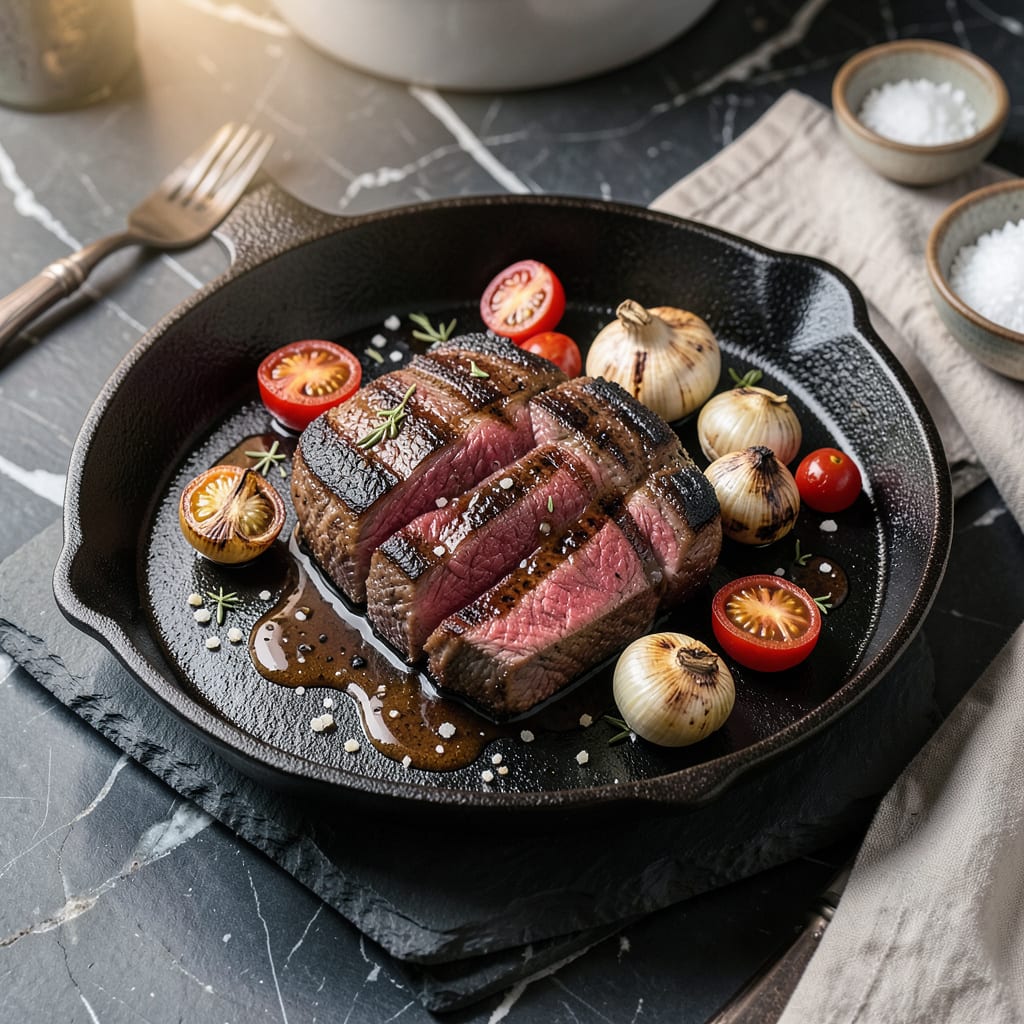
Cooking a perfect steak on an electric stove isn’t just possible—it’s something I do at least twice a week. The key difference from gas? Heat distribution. Electric coils take longer to adjust, so you’ve got to be patient and let that pan get screaming hot before the steak hits it. No shortcuts here.
I learned this the hard way after ruining a beautiful ribeye by rushing the preheat. Now I know: give your pan 5 full minutes on high before adding oil. That extra time means the difference between a sad gray steak and one with a crust so good you’ll hear it sizzle from across the room.
What you’re after is that golden-brown crust with a tender, juicy center—something electric stoves can absolutely deliver if you work with their quirks. The trick is managing the heat once the steak’s in the pan, since electric doesn’t respond instantly like gas. We’ll cover exactly how to nail this.
By the time you’re done, you’ll have a steak that rivals any grill master’s work. And here’s the thing—once you get the technique down, you’ll never stress about not having a grill again. Let’s walk through how to make this happen in your kitchen tonight.
📚 In This Guide
- What You’ll Need
- Instructions
- Tips and Common Mistakes
What Youll Need
- ● Steak: 1–2 cuts (1–1.5 inches thick), like ribeye, New York strip, or filet mignon (room temperature).
- ● Electric stove with a heavy-bottomed skillet (cast iron or stainless steel preferred).
- ● Cooking oil: 1–2 tbsp high-smoke-point oil (avocado, grapeseed, or refined coconut oil).
- ● Butter: 2 tbsp unsalted (for basting).
- ● Seasonings: Coarse kosher salt (1 tsp per side) and freshly ground black pepper (½ tsp per side).
- ● Tongs: Long-handled (avoid forks—they pierce the meat!).
- ○ Meat thermometer (instant-read for accuracy). Optional but highly recommended!
- ● Paper towels (to pat the steak dry for a better sear).
- ○ Garlic & herbs: 2 cloves crushed garlic + sprigs of thyme/rosemary (for aroma). Optional but delicious!
- ● Resting plate or cutting board (to let the steak rest post-cooking).
Step-by-Step Instructions for Cooking Steak on an Electric Stove
This foolproof method delivers restaurant-quality results right on your stovetop—no grill required!
Choose and Prep Your Steak
Start with a steak that’s at least 1-inch thick—ribeye, New York strip, or filet mignon work beautifully. The thickness ensures you get that perfect medium-rare center without overcooking the exterior. Pat the steak completely dry with paper towels—this is crucial for achieving a good sear.
Season generously with kosher salt and freshly ground black pepper on both sides. I like to use about 1 teaspoon of salt per side for a standard 12-ounce steak. Let it sit at room temperature for 30-45 minutes before cooking. This allows the salt to penetrate and the meat to cook more evenly.
Heat Your Pan to the Right Temperature
Place a heavy skillet (cast iron works best) on your electric stove and turn the heat to medium-high. You want the pan to get screaming hot—this is the secret to that beautiful crust. Let it heat for 5-7 minutes until you see the first wisps of smoke.
Add 1 tablespoon of high-smoke-point oil (like avocado or vegetable oil) and swirl to coat the bottom. The oil should shimmer but not smoke excessively. Here’s the test: flick a drop of water into the pan—if it dances and evaporates immediately, you’re ready. Don’t rush this step; proper heat is everything for steak.
Sear the Steak to Perfection
Lay the steak in the pan away from you to avoid oil splatter. You should hear an immediate, aggressive sizzle—if you don’t, your pan isn’t hot enough. Let it cook undisturbed for 2-3 minutes until a deep brown crust forms.
Flip the steak using tongs (never a fork—it pierces the meat) and cook for another 2-3 minutes. For that perfect medium-rare, you’re aiming for an internal temperature of 130-135°F. Use an instant-read thermometer to check—insert it sideways into the thickest part.
Add Butter and Aromatics for Flavor
Reduce the heat to medium and add 2 tablespoons of butter, 2 crushed garlic cloves, and 2 sprigs of fresh thyme to the pan. Tilt the pan slightly and spoon the melted butter over the steak continuously for about 1 minute—this basting technique adds incredible flavor.
For the final touch, flip the steak and baste the other side for another 30 seconds. The butter will turn a rich golden brown, and your kitchen will smell amazing. Remove the steak when it reaches 130°F—it will rise another 5°F as it rests.
Rest and Serve Your Masterpiece
Transfer the steak to a cutting board and let it rest for 5-10 minutes before slicing. This crucial step allows the juices to redistribute throughout the meat. If you cut too soon, all those delicious juices will end up on your cutting board instead of in your steak.
Slice against the grain for maximum tenderness. The result should be a beautifully browned exterior with a perfectly pink, juicy interior. Serve immediately with your favorite sides—maybe some garlic mashed potatoes or a simple arugula salad. You’ve just created steakhouse-quality results right in your own kitchen!
Tips and Common Mistakes for Perfect Steak on an Electric Stove
These game-changing insights will transform your stovetop steak from good to absolutely restaurant-worthy.
The Temperature Secret: That 30-45 minutes at room temperature in Step 1 isn’t just waiting time—it’s when the magic happens! Cold steak straight from the fridge cooks unevenly, while properly tempered meat develops that perfect crust while staying juicy inside. I’ve tested this with dozens of cuts, and the difference is night and day. Trust me, don’t skip this step!
Pan Heat Mastery: When heating your pan for 5-7 minutes in Step 2, here’s what nobody tells you: electric stoves take longer to reach that screaming-hot point than gas. Look for the first wisp of smoke, then wait another 30 seconds. The oil should shimmer like a mirage—if it smokes immediately, your pan’s too hot. This precise heat is what creates that coveted crust in just 2-3 minutes per side.
Basting Technique: During that 1 minute of butter basting in Step 4, tilt the pan more aggressively than you think you should. You want that golden butter to cascade over the steak continuously. I use a large spoon to really drench the meat—this builds flavor layers that simple pan-searing can’t match. The 30 seconds on the second side is just enough to develop that garlic-thyme infusion without overcooking.
Resting Revelation: That 5-10 minutes rest in Step 5 isn’t just about juices—it’s when the steak’s internal temperature equalizes. I’ve cut into steaks at exactly 5 minutes versus 10, and the difference in juiciness is shocking. For thicker cuts (1.5 inches or more), lean toward the full 10 minutes. The steak will actually feel firmer when it’s done resting—that’s how you know the proteins have relaxed properly.
Pro Tips for Cook A Steak On Electric Stove
- These game-changing insights will transform your stovetop steak from good to absolutely restaurant-worthy.
- The Temperature Secret: That 30-45 minutes at room temperature in Step 1 isn’t just waiting time—it’s when the magic …
- Pan Heat Mastery: When heating your pan for 5-7 minutes in Step 2, here’s what nobody tells you: electric stoves take…
Frequently Asked Questions
Can I use a nonstick pan instead of cast iron or stainless steel?
While you can use nonstick, it won’t give you the same deep sear . Cast iron or stainless steel retains high heat better, creating that coveted crust. If using nonstick, avoid metal utensils and preheat on medium-high—just don’t expect the same caramelization.
How do I know when to flip the steak?
Flip when the edges turn brown (about 2–4 minutes for medium-rare) and the steak releases easily from the pan. Use the finger test: Press the steak—if it feels like the base of your thumb (when touching index finger), it’s rare; middle finger = medium-rare. Overcooking or under-resting are the usual culprits. Cook to 5°F below your target temp (it rises while resting!), and let it rest 5–10 minutes under foil. Also, slice against the grain for tenderness. Pro tip: Avoid poking it with a fork—use tongs! Yes, but it’ll take ~50% longer. Pat it very dry first, season heavily, and sear on medium-low to avoid a cold center. For best results, thaw overnight in the fridge. Frozen steaks release moisture, so expect less crust—compensate with a hotter pan. Use oils with a high smoke point: avocado oil (520°F), refined coconut oil (450°F), or ghee. Avoid olive oil (smokes at 375°F) unless it’s “light” or “refined.” A thin, even coat prevents sticking—just enough to shimmer, not pool.Why is my steak tough or chewy?
Can I cook a frozen steak on an electric stove?
What’s the best oil for searing steak on an electric stove?
Mastering how to cook a steak on an electric stove is all about patience, heat control, and a few simple tricks—no fancy grill required! 🥩 With the right cut, a screaming-hot pan, and a little practice, you’ll be serving up restaurant-quality steaks right from your kitchen.
Now that you’ve got the know-how, it’s time to fire up that stove and give it a try! Start with a budget-friendly cut like sirloin to build confidence, then level up to ribeye or filet. Happy cooking—and enjoy every juicy bite!

Trained in classic French technique but raised on slow-cooked ribs and spicy rubs, she blends culinary skill with smoke and soul.
- Recipe for Boneless Pork Chops in Cast Iron Skillet: Sear and Baste to Juicy Perfection - October 3, 2026
- Recipe for Boneless Cross Rib Roast: Slow-Roasted Beef with Herb Crust - October 3, 2026
- Hamburgers in Sauce Recipe Crock Pot: Slow-Cooked Savory Delight - October 3, 2026