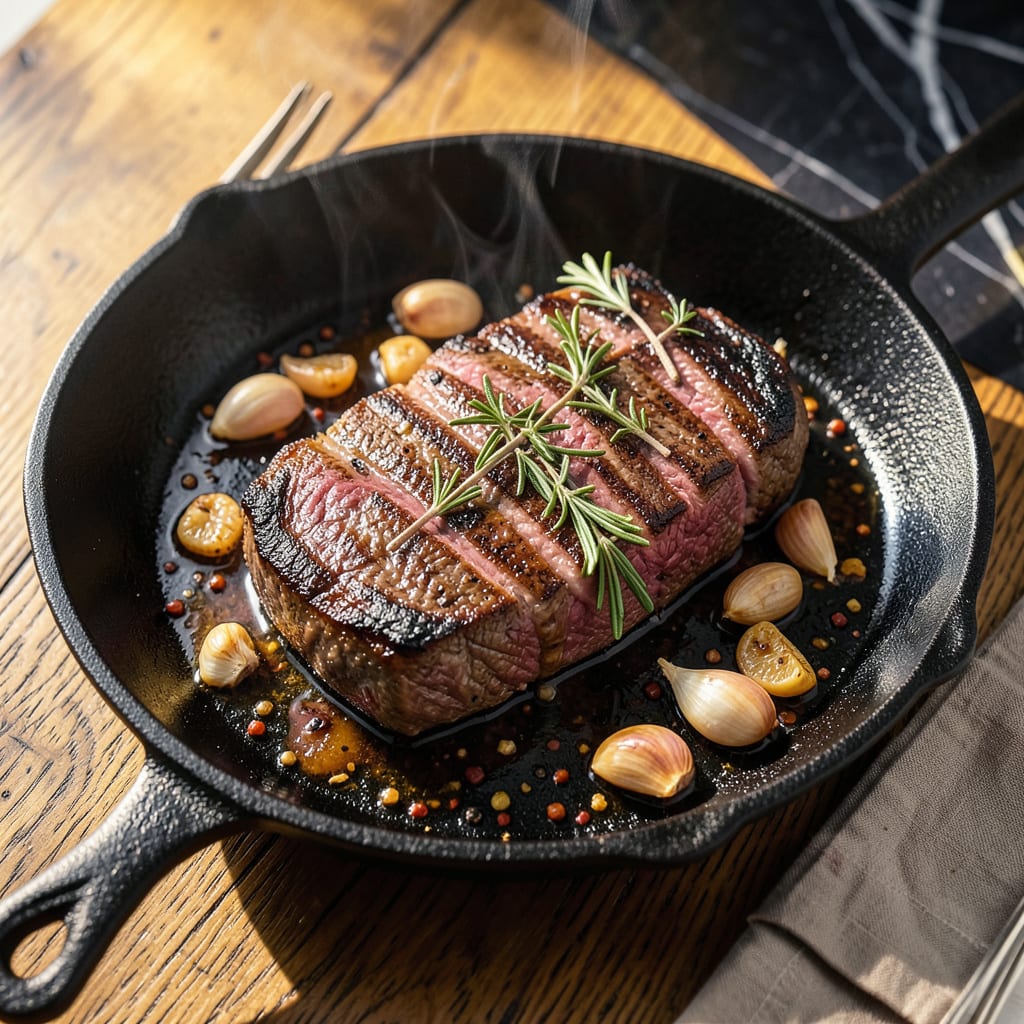
Let me tell you about the first time I cooked blade steak in the oven—it changed my weeknight dinner game forever. This cut gets a bad rap for being tough, but with the right technique, it transforms into something juicy and packed with beefy flavor. I’m talking fork-tender results that’ll make you question why you ever spent more on fancier cuts.
Here’s the thing—blade steak needs two key things: proper seasoning and precise heat control. I learned this the hard way after ruining my first attempt by overcooking. Now I know better: a simple dry brine, high initial heat to sear, then gentle oven finishing does the trick. The marbling in this cut renders down beautifully, creating that rich, beefy taste without drying out.
What you’ll end up with is steak that’s tender enough to cut with a butter knife, with a perfect crust on the outside. The oven method gives you restaurant-quality results without the stress of stovetop timing. I serve mine with roasted garlic potatoes—they soak up all those delicious pan juices.
Fair warning: once you nail this, you’ll never look at budget cuts the same way again. The whole process takes about 30 minutes start to finish, with most of that being hands-off oven time. Here’s exactly how to do it right.
📚 In This Guide
- What You’ll Need
- Instructions
- Tips and Common Mistakes
What Youll Need
- ● Blade steak: 1–2 pieces (1–1.5 lbs total, ¾–1 inch thick) — look for good marbling! 🥩
- ● Olive oil or avocado oil: 2 tbsp (high smoke point for searing)
- ● Kosher salt: 1.5 tsp (or to taste—don’t skimp!)
- ● Black pepper: 1 tsp (freshly cracked for best flavor)
- ○ Garlic powder: 1 tsp (optional, but adds depth)
- ○ Dried rosemary or thyme: ½ tsp (optional, for herby notes)
- ● Oven-safe skillet: 10–12 inch (cast iron preferred for even heat)
- ● Tongs: 1 pair (avoid piercing the meat!)
- ● Meat thermometer: 1 (instant-read for perfect doneness) 🌡️
- ● Aluminum foil: 1 sheet (for resting the steak)
- ● Cutting board: 1 (wood or plastic, your call)
- ● Paper towels: 2–3 sheets (to pat the steak dry)
- ● Preheat oven to 400°F (200°C) (convection works too!)
- ● Take steak out of the fridge 30–60 mins before cooking (room temp = even cooking)
- ● Sharp knife: For trimming excess fat (if needed) 🔪
Instructions
Here’s how to transform blade steak into a tender, juicy masterpiece using your oven.
Prepare the Blade Steak for Maximum Flavor
Start by patting the blade steaks completely dry with paper towels. This is crucial because moisture prevents proper browning. I like to press down firmly to remove every drop of surface moisture—you’ll hear the paper towel crinkle as it absorbs the liquid.
Season both sides generously with salt and pepper. I use about 1 teaspoon of salt per pound of meat, which might seem like a lot, but remember: blade steak benefits from bold seasoning. Let the steaks sit at room temperature for 30 minutes before cooking—this ensures even cooking throughout the meat.
Sear the Steaks for Deep, Rich Color
Heat a large oven-safe skillet (cast iron works best) over medium-high heat until it’s smoking hot. Add 1 tablespoon of oil and swirl to coat the pan. The oil should shimmer immediately—if it doesn’t, your pan isn’t hot enough yet.
Place the steaks in the pan and don’t move them for 2-3 minutes per side. You’re looking for a deep brown crust to form. I press down gently with tongs during the first minute to ensure full contact with the pan. The steaks should release easily when they’re ready to flip—if they stick, they need more time.
Transfer to Oven for Perfect Doneness
Preheat your oven to 375°F while you’re searing the steaks. Once both sides are beautifully browned, transfer the entire skillet to the preheated oven. For medium-rare (which I recommend for blade steak), cook for 8-10 minutes, depending on thickness.
The steaks are done when an instant-read thermometer inserted into the thickest part reads 130-135°F. You’ll notice the meat will feel slightly firm but still springy to the touch. Remember that blade steak continues to cook as it rests, so pulling it out at this temperature ensures it won’t overcook.
Rest and Slice for Optimal Tenderness
Transfer the steaks to a cutting board and tent loosely with foil. Let them rest for 10 minutes—this is non-negotiable. During this time, the juices redistribute throughout the meat instead of running out when you cut into it. I always use this time to make a quick pan sauce with the browned bits left in the skillet.
When ready to serve, slice the steaks against the grain. You’ll see the muscle fibers running in one direction—cut perpendicular to these lines. This shortens the fibers, making each bite more tender. The slices should be about ½-inch thick for the best texture.
Serve Immediately for Best Results
Serve the sliced blade steak immediately while it’s still warm. The center should be rosy pink for medium-rare, with beautifully browned edges from the sear. Any juices that have accumulated on the cutting board can be spooned over the top for extra flavor.
I like to pair this with simple sides that complement rather than overpower the steak—roasted potatoes or a crisp green salad work perfectly. The meat should be tender enough to cut with a fork but still have a satisfying chew, with rich beefy flavor in every bite.
Tips and Common Mistakes
Mastering blade steak in the oven is all about nailing a few key details. Here’s what I’ve learned from years of perfecting this method.
The Temperature Factor: That 30 minutes at room temperature in Step 1 isn’t just a suggestion—it’s essential. Cold meat seizes up when it hits the hot pan, leading to uneven cooking. I’ve found that steaks straight from the fridge can take up to 50% longer to reach the perfect medium-rare. The surface dries properly during this time too, which means a better sear in Step 2. Don’t rush this step, even when you’re hungry.
Searing Success: When you’re working with medium-high heat in Step 2, resist the urge to peek. Those 2-3 minutes per side are critical for developing that flavorful crust. I learned this the hard way after lifting the steak too early and ending up with pale, steamed meat instead of a proper sear. The steak should release naturally from the pan when it’s ready—if it sticks, it needs more time to form that crust.
Oven Precision: The 8-10 minutes at 375°F in Step 3 might seem like a small window, but it makes all the difference. Thicker steaks need the full 10 minutes, while thinner cuts might be perfect at 8 minutes. I always check at the 8-minute mark and go by feel—the meat should be slightly firm but still springy. Remember, it continues cooking during the 10-minute rest, so pulling it at 130-135°F ensures juicy results.
Slicing Strategy: Those ½-inch thick slices in Step 4 aren’t arbitrary. Thinner slices can dry out quickly, while thicker ones might feel tough. Cutting against the grain is non-negotiable for blade steak—this single technique transforms chewy meat into tender bites. I like to make the first cut, then adjust my angle slightly if needed to stay perfectly perpendicular to those muscle fibers.
Pro Tips for Cook Blade Steak In Oven
- Mastering blade steak in the oven is all about nailing a few key details. Here’s what I’ve learned from years of perf…
- The Temperature Factor: That 30 minutes at room temperature in Step 1 isn’t just a suggestion—it’s essential. Cold me…
- Searing Success: When you’re working with medium-high heat in Step 2, resist the urge to peek. Those 2-3 minutes per …
Frequently Asked Questions
Can I cook blade steak from frozen in the oven?
It’s not recommended—thawing first ensures even cooking and tenderness. If you’re in a pinch, use the cold-water thaw method (sealed bag in cold water for 30-60 mins) or cook at 275°F for 50% longer, but expect less juicy results. Always check internal temp hits 145°F for medium-rare.
How long does blade steak take to cook in the oven at 400°F?
For a 1-inch-thick steak, bake 12-15 minutes for medium-rare (145°F) or 15-18 minutes for medium (160°F). Flip halfway! Pro tip: Use a meat thermometer—oven times vary based on thickness and your oven’s quirks.
What’s the best way to tenderize blade steak before baking?
Blade steak has connective tissue, so marinate for 4+ hours (try olive oil, soy sauce, and acid like lemon or vinegar) or pound gently with a meat mallet. For extra tenderness, slice against the grain after cooking!
Can I broil blade steak instead of baking it?
Broiling (high heat from the top) gives a crispy crust in 6-8 minutes per side for medium-rare. Keep the rack 4-6 inches from the heat and watch closely to avoid burning. Baste with butter for extra flavor!
Why did my blade steak turn out tough in the oven?
Common culprits: overcooking (blade steak is lean—don’t exceed 160°F!), skipping marinade, or slicing with the grain. Rest the steak 5-10 minutes post-baking to redistribute juices. Try a low-and-slow method (300°F for 20+ mins) for tougher cuts.
Cooking blade steak in the oven is easier than you think—just season well, sear for flavor, and bake to tender perfection! 🥩 With the right temperature and timing, you’ll enjoy a juicy, fork-tender steak that rivals your favorite steakhouse.
Ready to impress? Try pairing it with roasted veggies or a creamy mashed potato side. For your next meal, experiment with a reverse sear or a bold marinade to keep things exciting!

Trained in classic French technique but raised on slow-cooked ribs and spicy rubs, she blends culinary skill with smoke and soul.
- Recipe for Boneless Pork Chops in Cast Iron Skillet: Sear and Baste to Juicy Perfection - October 3, 2026
- Recipe for Boneless Cross Rib Roast: Slow-Roasted Beef with Herb Crust - October 3, 2026
- Hamburgers in Sauce Recipe Crock Pot: Slow-Cooked Savory Delight - October 3, 2026