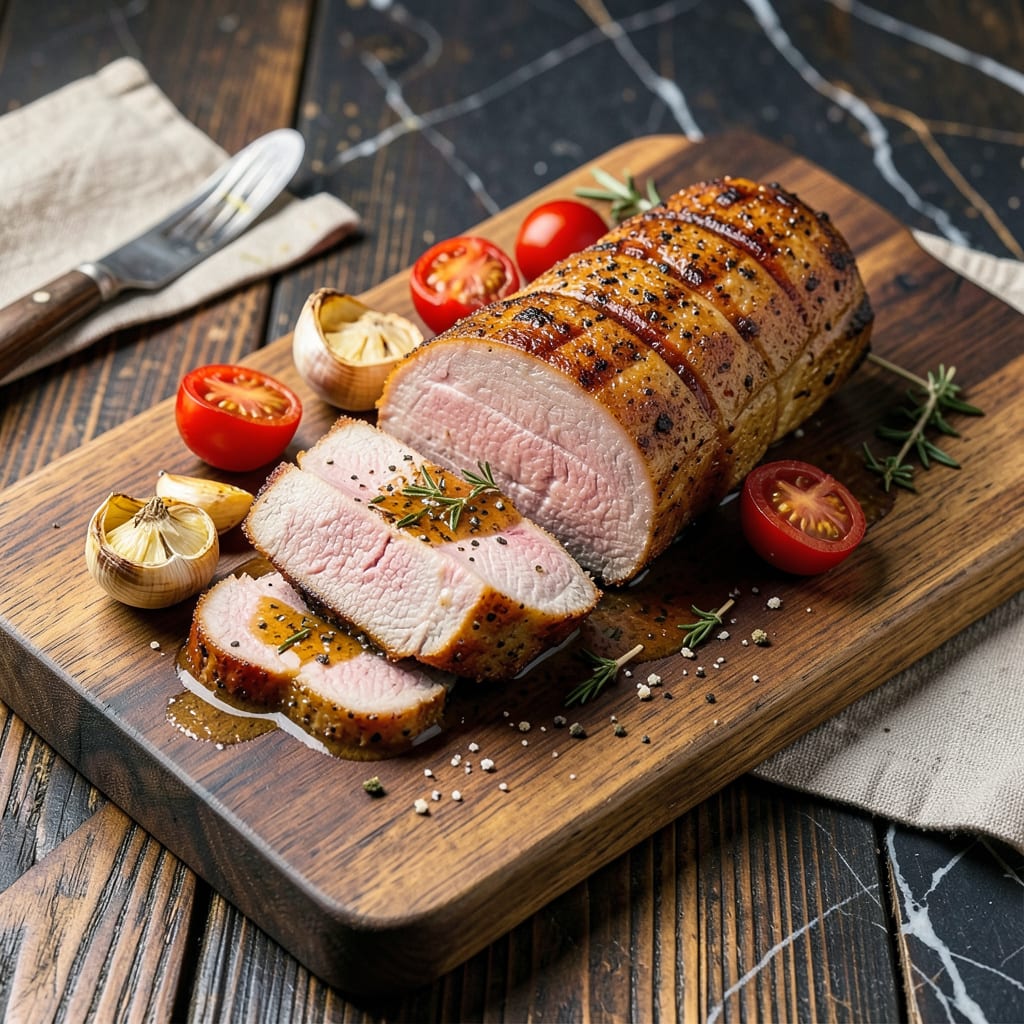
Here’s the thing—cooking pork tenderloin in the oven doesn’t have to be a guessing game. I’ve burned through more trial-and-error batches than I’d like to admit, but this method delivers juicy, fork-tender results every single time. No dry, overcooked meat here. Just perfectly seasoned, melt-in-your-mouth pork that’ll have everyone asking for seconds.
Smithfield tenderloins are my go-to because they’re consistently sized and pre-marinated, which means less prep work for you. The secret is a hot oven start to sear the outside, then finishing at a lower temp to keep it tender inside. I’ll walk you through the exact temps and timing—no thermometer? No problem. I’ve got foolproof visual cues too.
What you’ll end up with is restaurant-quality pork that’s perfectly seasoned with crispy edges and a juicy center. The aroma alone will have your kitchen smelling like a steakhouse. And the best part? It pairs beautifully with simple sides like roasted veggies or mashed potatoes—dinner’s on the table in under an hour.
Between you and me, this method works so well I’ve started using it for meal prep. The leftovers (if there are any) make killer sandwiches the next day. Let’s get that pork in the oven!
📚 In This Guide
- What You’ll Need
- Instructions
- Tips and Common Mistakes
What Youll Need
- ● 1 Smithfield pork tenderloin (1.25–1.5 lbs, pre-marinated or plain, thawed if frozen) 🍖
- ● Cooking oil (2 tbsp olive oil, avocado oil, or vegetable oil—high smoke point preferred)
- ● Seasonings (if using plain tenderloin): 1 tbsp kosher salt (or 2 tsp table salt)
- ● 1 tsp black pepper (freshly ground)
- ● 1 tsp garlic powder
- ○ 1 tsp paprika (smoked or sweet, optional for color)
- ● Tools & Equipment: 9×13-inch baking dish or rimmed baking sheet (light-colored for even cooking)
- ○ Wire rack (optional, for elevated cooking)
- ● Meat thermometer (instant-read, critical for perfect doneness) 🌡️
- ● Aluminum foil (for resting)
- ● Tongs or spatula (to flip tenderloin)
- ○ Pastry brush (optional, for oil/glaze application)
- ○ Optional Extras: 2 tbsp honey or maple syrup (for glaze)
- ● 1 tbsp Dijon mustard (for glaze)
- ● Fresh herbs (rosemary or thyme) for garnish
Step-by-Step Instructions for Smithfield Pork Tenderloin in Oven
This foolproof method delivers that perfect balance of golden crust and melt-in-your-mouth tenderness every single time.
Prepare the Tenderloin for Maximum Flavor
Begin by removing your Smithfield pork tenderloin from its packaging and patting it completely dry with paper towels. This crucial step ensures you’ll get that beautiful, caramelized crust we’re after. Any residual moisture will steam the meat instead of allowing it to sear properly in the oven.
I always trim any excess silver skin or large fat deposits from the surface using a sharp boning knife. While Smithfield tenderloins come well-trimmed, you might find a few spots that need attention. This small effort pays off in both texture and presentation.
Season Generously for Deep Flavor Penetration
Place the tenderloin on a clean work surface and drizzle lightly with olive oil, just enough to coat the surface. This helps the seasoning adhere and promotes even browning. I prefer using my hands to rub the oil evenly over every surface of the meat.
Now apply your seasoning blend—be generous here. I recommend a mix of kosher salt, freshly ground black pepper, garlic powder, and smoked paprika for that perfect balance of savory and subtle smokiness. The seasoning should form a visible crust on the meat, not just a light dusting. Let the seasoned tenderloin rest at room temperature for 20-30 minutes before cooking; this allows the salt to penetrate and the meat to cook more evenly.
Sear for Color and Flavor Foundation
While the tenderloin rests, preheat your oven to 425°F and place an oven-safe skillet (I prefer cast iron) over medium-high heat. When the pan is screaming hot—you should see a faint wisp of smoke—add a tablespoon of high-smoke-point oil and swirl to coat.
Add the tenderloin to the hot pan and sear for 2-3 minutes per side until you achieve a deep golden-brown crust. You’ll know it’s ready to flip when the meat releases easily from the pan. Don’t rush this step—the Maillard reaction happening here creates complex flavors that carry through the entire dish. After searing all sides, transfer the skillet directly to your preheated oven.
Roast to Perfect Doneness
Roast the tenderloin in the oven for 15-20 minutes, depending on thickness. I recommend using an instant-read thermometer to monitor the internal temperature. You’re aiming for 145°F in the thickest part of the meat. Remember that the temperature will continue to rise about 5 degrees during resting.
About halfway through cooking, I like to baste the tenderloin with any accumulated pan juices. This simple technique enhances flavor and helps maintain moisture. When the thermometer reads 140°F, it’s time to remove the pan from the oven—the carryover cooking will bring it to perfect doneness.
Rest and Slice for Optimal Texture
Transfer the cooked tenderloin to a cutting board and tent loosely with aluminum foil. Let it rest for 10 minutes—this crucial step allows the juices to redistribute throughout the meat. If you slice too soon, all those delicious juices will end up on your cutting board instead of in your meat.
When ready to serve, slice the tenderloin against the grain into ½-inch thick medallions. The grain runs lengthwise, so you’ll want to make perpendicular cuts. Each slice should reveal a slightly pink center with juices that pool slightly on the cutting board when pressed. Serve immediately while still warm for the best texture and flavor.
Tips and Common Mistakes for Perfect Smithfield Pork Tenderloin
The difference between good and extraordinary pork tenderloin comes down to these key details.
The Temperature Factor: That 20-30 minute resting time in Step 2 isn’t just waiting—it’s when the salt penetrates the meat and the proteins relax. I’ve found that closer to 30 minutes gives the most even cooking, especially for thicker tenderloins. This small patience pays off in tenderness.
Searing Secret: In Step 3, don’t move the tenderloin during those 2-3 minutes per side. The meat will tell you when it’s ready to flip—it releases naturally from the pan when properly seared. If it sticks, give it another 30 seconds; that crust is developing crucial flavor.
Oven Technique: When roasting for 15-20 minutes in Step 4, rotate your pan halfway through for even browning. I position the thicker end of the tenderloin toward the back of the oven where it’s slightly hotter, then baste with pan juices at the 10-minute mark. This prevents one end from drying out before the other reaches 140°F.
Resting Wisdom: Those 10 minutes of resting in Step 5 are non-negotiable. I tent with foil but leave a small opening—this keeps it warm while allowing just enough steam to escape, preventing the crust from getting soggy. The internal temperature will climb to perfect 145°F during this time.
Pro Tips for Smithfield Pork Tenderloin Cooking Instructions In Oven
- The difference between good and extraordinary pork tenderloin comes down to these key details.
- The Temperature Factor: That 20-30 minute resting time in Step 2 isn’t just waiting—it’s when the salt penetrates the…
- Searing Secret: In Step 3, don’t move the tenderloin during those 2-3 minutes per side. The meat will tell you when i…
Frequently Asked Questions
How long should I cook Smithfield pork tenderloin in the oven at 375°F?
For a perfectly cooked 1-1.5 lb tenderloin, bake at 375°F for 20-25 minutes (or until internal temp hits 145°F). Use a meat thermometer for accuracy—overcooking dries it out! Let it rest 5-10 minutes before slicing for juicy results.
Can I cook pork tenderloin from frozen in the oven?
Yes, but it’ll take 50-60% longer. Thawing first is ideal for even cooking. If frozen, bake at 350°F (covered for 30 mins, then uncovered) until internal temp reaches 145°F. Pro tip: Pat dry before seasoning to avoid steaming!
What’s the best way to season Smithfield pork tenderloin?
Smithfield’s pre-marinated flavors (like Applewood Smoked or Garlic & Herb) are ready to go! For plain tenderloin, try a mix of salt, pepper, garlic powder, and paprika, or a honey-mustard glaze. Rub with olive oil first to help spices stick.
Why did my pork tenderloin turn out dry?
Dryness usually means overcooking (past 145°F) or skipping the rest time. Brining for 1-2 hours before cooking adds moisture, and basting with broth or apple juice during baking helps. Slice against the grain for tenderness!
Can I use an air fryer instead of the oven?
Air fry at 375°F for 12-15 minutes (flip halfway), checking for 145°F internally. It’s faster and crisps the outside beautifully.
Now you’ve got the secrets to cooking a perfectly juicy Smithfield pork tenderloin in the oven—every single time! 🎉 With just a few simple steps, you’ll serve up a fork-tender, flavor-packed centerpiece that’ll impress family and friends. Whether it’s a weeknight dinner or a special gathering, this recipe delivers restaurant-quality results with minimal effort.
Ready to put your skills to the test? Grab a tenderloin, preheat that oven, and get cooking! For extra inspiration, try pairing it with your favorite sides or experimenting with different seasonings. Happy cooking—your taste buds will thank you! 😋

Trained in classic French technique but raised on slow-cooked ribs and spicy rubs, she blends culinary skill with smoke and soul.
- Recipe for Boneless Pork Chops in Cast Iron Skillet: Sear and Baste to Juicy Perfection - October 3, 2026
- Recipe for Boneless Cross Rib Roast: Slow-Roasted Beef with Herb Crust - October 3, 2026
- Hamburgers in Sauce Recipe Crock Pot: Slow-Cooked Savory Delight - October 3, 2026