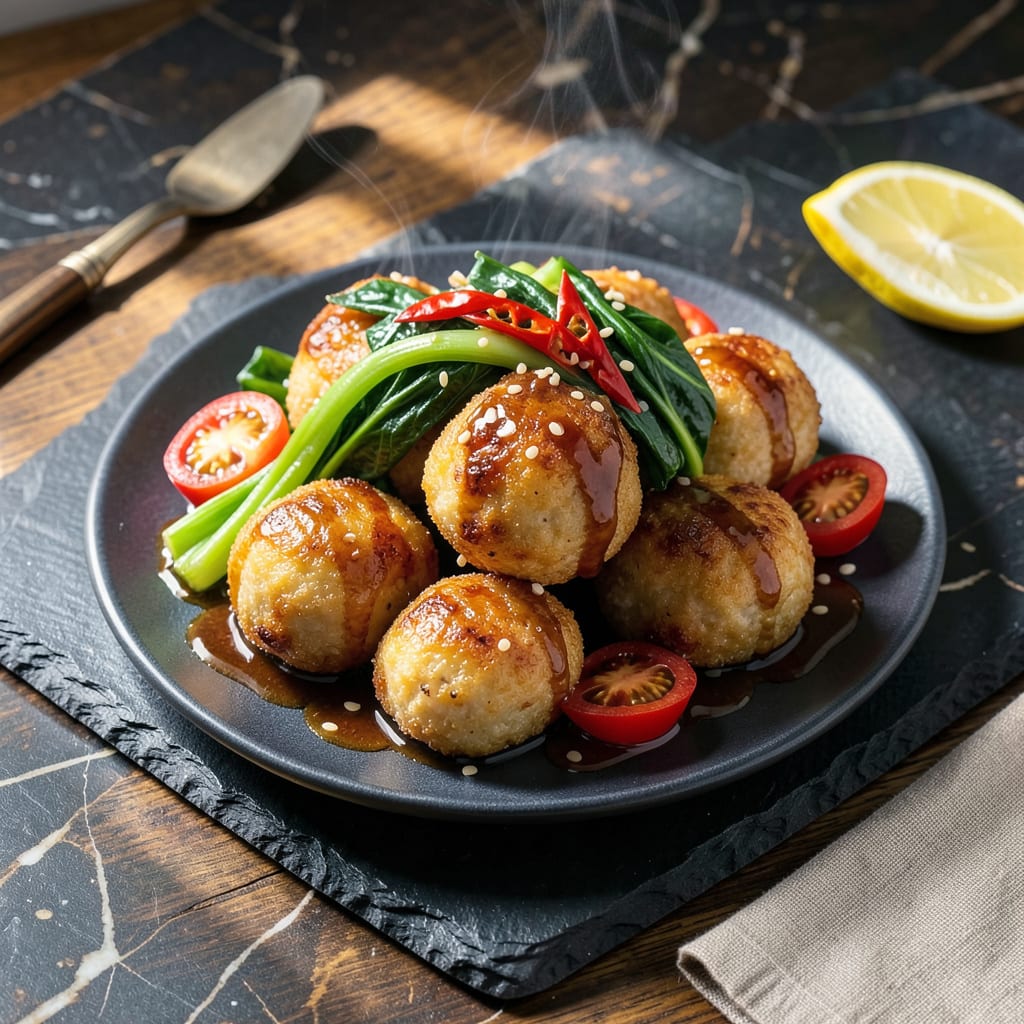
I’ll be real with you—cooking frozen fish balls can be hit or miss if you don’t know the right technique. But after testing every method (and burning a few batches), I’ve cracked the code for getting them crispy outside, tender inside in just 15 minutes. No defrosting required, no complicated steps—just perfect results every time.
Here’s the thing—most people either overcook them into rubbery pucks or undercook them into mushy disappointments. The secret is starting with high heat to create that golden crust, then finishing gently so the inside stays juicy. I’ve found that air-frying gives the best texture, but pan-frying works just as well if you follow my timing trick.
You’ll know they’re done when they float to the surface (if boiling) or develop that golden-brown crust (if frying). The center should be flaky and hot, not cold or gummy. Serve them straight from the pan with sweet chili sauce or in a steaming bowl of noodle soup—they’re versatile enough for any meal.
Fair warning: once you try this method, you’ll never go back to sad, soggy fish balls again. The difference is that dramatic. Let’s get these cooking right—the first time.
📚 In This Guide
- What You’ll Need
- Instructions
- Tips and Common Mistakes
What Youll Need
- ● Frozen fish balls – 1 lb (450g) (check package for pre-cooked vs. raw)
- ● Cooking oil – 2 cups (for deep-frying) or 2 tbsp (for pan-frying) (vegetable, canola, or peanut oil works best)
- ● Water – 2 cups (for boiling or steaming, if preferred)
- ● Salt – ½ tsp (to taste, for seasoning after cooking)
- ● Deep fryer, large pot, or skillet (with high sides for safety)
- ● Slotted spoon or spider strainer (to remove fish balls from oil)
- ● Paper towels (for draining excess oil)
- ○ Kitchen thermometer (optional but highly recommended for perfect oil temp—350°F/175°C)
- ● Steamer basket or microwave-safe bowl (if boiling or steaming)
- ● Dipping sauces – Sweet chili, soy-vinegar mix, or spicy mayo
- ● Lemon wedges or green onions (for garnish and zesty flavor)
- ● Cornstarch or flour – ¼ cup (for extra crispiness if coating before frying)
Instructions
Here’s the foolproof method I’ve perfected for transforming frozen fish balls into golden, crispy bites with a tender center.
Prepare the Frozen Fish Balls for Cooking
Remove the frozen fish balls from their packaging and place them in a single layer on a plate or tray. Don’t thaw them—cooking from frozen actually helps maintain their shape and prevents them from becoming mushy. I like to let them sit at room temperature for 5 minutes while I prepare my cooking station, just to take the edge off the deep freeze.
This brief rest allows the exterior to soften slightly, which helps achieve better browning later. You’ll notice the surface changes from rock-hard to slightly pliable—that’s your cue they’re ready for the next step. This small adjustment makes a surprising difference in the final texture.
Heat the Oil to the Perfect Temperature
Fill a deep skillet or wok with 1-2 inches of neutral oil (vegetable or canola works best) and heat over medium-high heat. The oil should reach 350-375°F—this is the sweet spot for achieving that perfect crispy exterior without overcooking the interior. I always use a thermometer for precision, but you can test it with a wooden chopstick: when bubbles form vigorously around the stick, your oil is ready.
Maintaining this temperature is crucial. Too cool, and your fish balls will absorb oil and become greasy. Too hot, and they’ll brown too quickly before cooking through. The right temperature creates that beautiful golden crust while keeping the inside moist and tender. Watch for the oil to shimmer but not smoke—that’s your visual cue.
Fry in Batches for Even Cooking
Carefully add the fish balls to the hot oil in a single layer, working in batches to avoid crowding the pan. I find 6-8 fish balls per batch works well in a standard 12-inch skillet. They should sizzle immediately upon contact—this is the sound of perfect crisping beginning. Use a slotted spoon to gently stir them occasionally, ensuring even browning on all sides.
Fry for 4-5 minutes until they’re deep golden brown all over. You’ll know they’re done when they float consistently at the surface and develop that characteristic crispy shell. The interior should reach 145°F—use an instant-read thermometer to check one if you’re unsure. This timing creates that ideal contrast between the crispy exterior and tender center we’re after.
Drain and Rest for Optimal Texture
Transfer the cooked fish balls to a wire rack set over a baking sheet or to a paper towel-lined plate. The wire rack method is my preference as it allows air to circulate completely around each piece, preventing any sogginess from trapped steam. Let them rest for 2-3 minutes before serving—this brief pause allows the interior to set slightly while the exterior maintains its crispness.
During this resting period, you’ll notice the fish balls firm up just a bit more. This is the moment when the texture truly perfects itself—the crispy shell becomes even crunchier while the inside remains perfectly tender. Serve them immediately while hot for the best experience, as the contrast between the crispy exterior and soft interior is most pronounced when fresh from the fryer.
Tips and Common Mistakes
Mastering frozen fish balls is all about precision—here’s what I’ve learned from countless batches to ensure that perfect crispy-tender balance every time.
Temperature Control: The 350-375°F oil range in Step 2 isn’t just a suggestion—it’s the difference between greasy and golden. I’ve found that oil temperature drops when you add cold fish balls, so let it recover to 360°F between batches. A clip-on candy thermometer gives you real-time monitoring without the guesswork. Watch for that subtle shimmer in the oil—it’s your visual confirmation you’re in the sweet spot.
The Technique That Changed Everything: In Step 3, when you’re frying those 6-8 fish balls per batch, resist the urge to stir constantly. Let them develop that initial crust for about 90 seconds before gently moving them. This creates a more uniform golden-brown exterior. The sizzle should sound steady but not aggressive—like bacon cooking, not popcorn popping. That 4-5 minute fry time is perfect when you hear this rhythm.
Resting is Critical: Those 2-3 minutes of resting in Step 4 aren’t just downtime—they’re when the magic happens. The interior temperature equalizes, the crust sets, and excess oil drains away. I always use a wire rack here because paper towels can actually steam the bottoms, making them soggy. You’ll feel the difference when you bite in—the crust stays shatteringly crisp while the center remains perfectly tender.
Equipment Recommendation: For the 1-2 inches of oil in Step 2, choose your pan wisely. A Dutch oven maintains heat better than a thin skillet, giving you more consistent results. The high sides also prevent dangerous oil splatter when adding the fish balls. I keep a designated “frying thermometer” in my kitchen—it’s the one tool that takes all the stress out of achieving that perfect 350-375°F range.
Pro Tips for Cook Fish Balls From Frozen
- Mastering frozen fish balls is all about precision—here’s what I’ve learned from countless batches to ensure that per…
- Temperature Control: The 350-375°F oil range in Step 2 isn’t just a suggestion—it’s the difference between greasy and…
- The Technique That Changed Everything: In Step 3, when you’re frying those 6-8 fish balls per batch, resist the urge …
Frequently Asked Questions
Do I need to thaw frozen fish balls before cooking?
Nope! Most frozen fish balls are pre-cooked, so you can toss them straight into boiling water, hot oil, or a steamer without thawing. Just add 1-2 extra minutes to the cooking time if they’re rock-solid. Thawing can make them mushy—skip it for best texture!
How long do I cook frozen fish balls in boiling water?
Drop them into rolling boiling water for 3-5 minutes (or until they float). Overcooking turns them rubbery—test one first! For soups, add them last to avoid sogginess. Pro tip: A splash of oil in the water keeps them from sticking.
Can I air-fry frozen fish balls instead of deep-frying?
Spray or toss them lightly with oil, then air-fry at 375°F (190°C) for 8-10 minutes, shaking halfway. They’ll crisp up like deep-fried but with less mess. No oil spray? Brush with a tiny bit of oil to prevent drying.
Why did my fish balls split or crack while cooking?
Sudden temperature changes are usually the culprit. To prevent cracks:
- Avoid overcrowding the pot/pan.
- Use medium heat (not high) for frying.
- If boiling, don’t stir vigorously—let them cook gently.
What’s the best sauce for cooked fish balls?
Classic pairings include:
- Sweet & sour sauce (store-bought or DIY with ketchup + vinegar + sugar).
- Spicy mayo (mayo + sriracha + lime).
- Simple soy-ginger dip (soy sauce + grated ginger + sesame oil).
For soups, try a light chicken or miso broth with scallions.
Cooking fish balls straight from frozen is easier than you think! With the right technique—whether boiling, frying, or air-frying—you can achieve that perfect crispy-on-the-outside, tender-on-the-inside texture in just 15 minutes. 🎉 No thawing required!
Now that you’ve mastered the basics, why not experiment? Try pairing your fish balls with homemade dipping sauces or adding them to soups and stir-fries. Ready to level up? Check out our favorite fish ball recipes for more delicious ideas!

Trained in classic French technique but raised on slow-cooked ribs and spicy rubs, she blends culinary skill with smoke and soul.
- Recipe for Boneless Pork Chops in Cast Iron Skillet: Sear and Baste to Juicy Perfection - October 3, 2026
- Recipe for Boneless Cross Rib Roast: Slow-Roasted Beef with Herb Crust - October 3, 2026
- Hamburgers in Sauce Recipe Crock Pot: Slow-Cooked Savory Delight - October 3, 2026