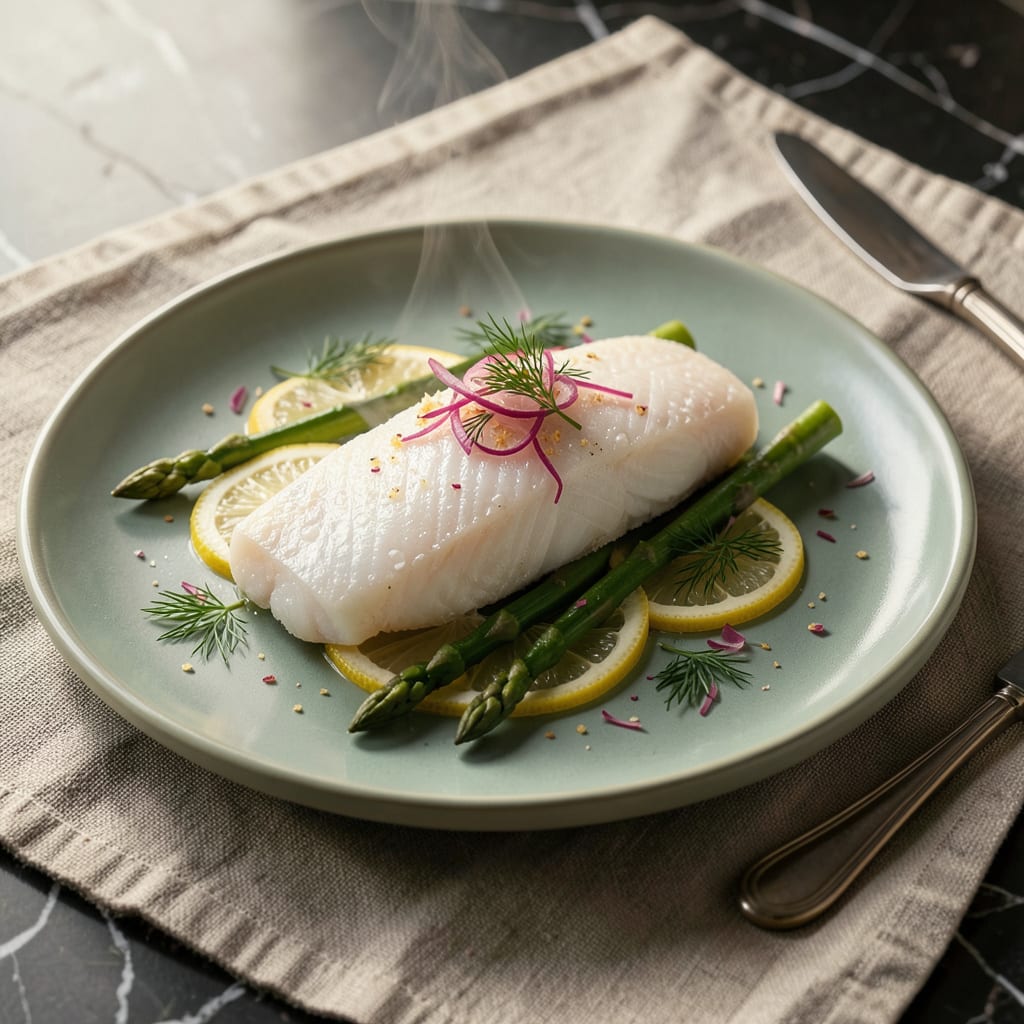
I’ll be real with you—cooking fish without oil sounded impossible until I discovered the magic of steam. That first bite of perfectly flaky cod, moist and tender without a drop of grease, changed my whole approach to seafood. Now I use this method weekly for quick, healthy dinners that never disappoint.
The secret lies in gentle heat and smart seasoning. Steaming locks in natural moisture while letting the fish’s delicate flavor shine, especially with white varieties like tilapia or salmon. I boost flavor with citrus slices, fresh herbs, and a splash of broth in the steaming liquid—no oil required for incredible taste.
What you’ll get is flaky, perfectly cooked fish in just 15 minutes, with zero greasy cleanup. The texture stays tender, the flavor stays pure, and you get all the health benefits without sacrificing satisfaction. It’s my go-to when I want restaurant-quality results with minimal effort.
All you need is a steamer basket or parchment paper—equipment you probably already own. The technique works for everything from quick weeknight meals to elegant dinner parties. Let’s get that water boiling and make some seriously good fish.
📚 In This Guide
- What You’ll Need
- Instructions
- Tips and Common Mistakes
What Youll Need
- ● Fresh fish fillets – 2 medium (6–8 oz each), skin-on or skinless (cod, tilapia, salmon, or snapper work great 🐟)
- ● Lemon or lime – 1, sliced (for brightness and aroma 🍋)
- ○ Fresh herbs – 2–3 sprigs (dill, parsley, or cilantro; optional but highly recommended 🌿)
- ○ Aromatics – 2 cloves garlic (smashed) + 1-inch ginger (sliced; optional but flavor-boosting ⚡)
- ● Salt & pepper – to taste (sea salt or kosher salt preferred 🧂)
- ● Steaming liquid – 1–2 cups (water, veggie broth, or white wine for extra depth 🍷)
- ● Steamer basket (bamboo or stainless steel, fits your pot)
- ● Lid-tight pot or deep skillet (wide enough for the steamer + fish)
- ● Tongs or fish spatula (to handle delicate fillets gently 🥢)
- ● Sharp knife & cutting board (for prep—safety first! 🔪)
- ● Kitchen timer (or smartphone—15 mins flies by! ⏰)
- ● Plate or tray (for serving, lined with paper towels to absorb moisture)
Instructions
Here’s the simple method I use to achieve perfectly flaky fish every time—no oil required.
Prepare Your Steaming Setup
Fill a large pot with about 1 inch of water and bring it to a rolling boil over high heat. You want enough water that it won’t evaporate completely during cooking, but not so much that it touches your fish when you add the steamer basket.
While the water heats, prepare your steamer basket or insert. I like to use a bamboo steamer lined with parchment paper (poke a few holes for steam circulation), but a metal steamer insert works just as well. The key is creating a stable platform that allows steam to circulate freely around the fish.
Season and Arrange the Fish
Pat your fish fillets completely dry with paper towels—this helps the seasoning adhere better. I like to use white fish fillets like cod, tilapia, or halibut for this method, as they hold up beautifully to steaming. Season both sides lightly with salt and pepper, or use your favorite dry seasoning blend.
Arrange the fillets in a single layer in your steamer basket, leaving a little space between each piece so the steam can circulate evenly. If you’re using any aromatics like lemon slices, fresh herbs, or ginger, tuck them around the fish now—they’ll infuse wonderful flavor as everything steams together.
Steam to Flaky Perfection
Once your water is boiling vigorously, carefully place the steamer basket in the pot and cover tightly with a lid. The moment that lid goes on, start your timer for 8-12 minutes depending on thickness. You’ll know it’s done when the fish turns opaque throughout and flakes easily with a fork.
Here’s the thing—I always check at the 8-minute mark for thinner fillets. The fish should feel firm to the touch and separate into clean flakes when pressed gently with a fork. Don’t overcook it; steamed fish continues cooking slightly from residual heat even after you remove it from the steamer.
Rest and Serve Immediately
Use tongs or a spatula to transfer the steamed fish to serving plates. Let it rest for just 1-2 minutes—this brief pause allows the fibers to relax, making the fish even more tender. You’ll notice how beautifully moist the fillets look without any oil.
I love serving this with a squeeze of fresh lemon or a light sprinkle of chopped herbs. The natural flavors of the fish really shine through with this method. Remember, steamed fish is best enjoyed immediately while it’s still warm and at its most delicate texture.
Tips and Common Mistakes
Perfect steamed fish comes down to a few simple but crucial details—here’s what I’ve learned from making this countless times.
Steam Circulation is Key: In Step 1, make sure your steamer basket isn’t overcrowded and that there’s at least an inch of space above the boiling water. I’ve found that using a bamboo steamer with parchment paper (with a few holes poked for steam) gives the most even cooking. The steam needs to circulate freely around each fillet to cook them uniformly in that 8-12 minute window.
Timing Secret: When you reach the 8-minute mark in Step 3, don’t just rely on the clock—use your senses. The fish should turn from translucent to opaque and feel firm when pressed gently. Remember, thinner fillets will be done closer to 8 minutes, while thicker cuts may need the full 12 minutes. I always check at 8 minutes and then every minute after until perfect doneness is reached.
Seasoning Strategy: Since we’re not using oil, the seasoning in Step 2 needs to be just right. Pat the fillets completely dry first so the salt and pepper adhere properly. For extra flavor without oil, try adding a sprinkle of smoked paprika or a pinch of garlic powder to your seasoning blend—it enhances the natural taste beautifully.
Serving Tip: That 1-2 minute rest in Step 4 isn’t just for show. It allows the muscle fibers to relax, making the fish even more tender. I’ve noticed that serving immediately without resting can make the fillets slightly more prone to breaking apart when you cut into them.
Pro Tips for Cook Fish Without Oil
- Perfect steamed fish comes down to a few simple but crucial details—here’s what I’ve learned from making this countle…
- Steam Circulation is Key: In Step 1, make sure your steamer basket isn’t overcrowded and that there’s at least an inc…
- Timing Secret: When you reach the 8-minute mark in Step 3, don’t just rely on the clock—use your senses. The fish sho…
Frequently Asked Questions
Can I cook fish without oil if I don’t have a steamer?
Try poaching in broth, water, or even milk for extra flavor. A microwave-safe dish with a splash of liquid works too—just cover it with a damp paper towel. For crispy results, air-fry (no oil needed) or bake on parchment paper at 375°F (190°C).
How do I keep fish from sticking without oil?
Line your pan or baking sheet with parchment paper or a silicone mat. For grilling, use a non-stick grill mat or wrap fish in foil. If boiling/poaching, ensure the liquid fully covers the fish to prevent drying. Pro tip: Pat fish completely dry before cooking!
Does cooking fish without oil change the taste?
Not if you boost flavor another way! Use citrus (lemon/lime), herbs (dill, parsley), garlic, or spices (paprika, cumin). Steaming preserves natural sweetness, while poaching in broth adds depth. Try a splash of vinegar or white wine for brightness.
How long does it take to cook fish without oil?
- Steaming: 8–12 mins (depends on thickness).
- Poaching: 6–10 mins in simmering liquid.
- Baking: 12–15 mins at 375°F (190°C).
- Air-frying: 8–10 mins at 390°F (200°C).
Fish is done when it flakes easily with a fork (internal temp: 145°F/63°C).
What’s the healthiest way to cook fish without oil?
Steaming tops the list—it retains omega-3s and nutrients while adding no extra fat. Poaching in low-sodium broth is another great option. Avoid high-heat methods like grilling (unless in foil) to prevent harmful compounds. For max benefits, pair with veggies!
Cooking fish without oil isn’t just doable—it’s a game-changer for healthier, lighter meals that still burst with flavor! 🌿 Whether you steam, poach, or bake, these methods lock in moisture and nutrients while keeping calories in check. The best part? You’ll never miss the oil when your fish turns out tender, flaky, and delicious every time.
Ready to dive in? Grab your favorite fish and try one of these techniques tonight—your taste buds (and waistline) will thank you! For more oil-free cooking hacks, check out our guide on zero-oil vegetable sides to complete your meal. Happy cooking! 🍽️

Trained in classic French technique but raised on slow-cooked ribs and spicy rubs, she blends culinary skill with smoke and soul.
- Recipe for Boneless Pork Chops in Cast Iron Skillet: Sear and Baste to Juicy Perfection - October 3, 2026
- Recipe for Boneless Cross Rib Roast: Slow-Roasted Beef with Herb Crust - October 3, 2026
- Hamburgers in Sauce Recipe Crock Pot: Slow-Cooked Savory Delight - October 3, 2026