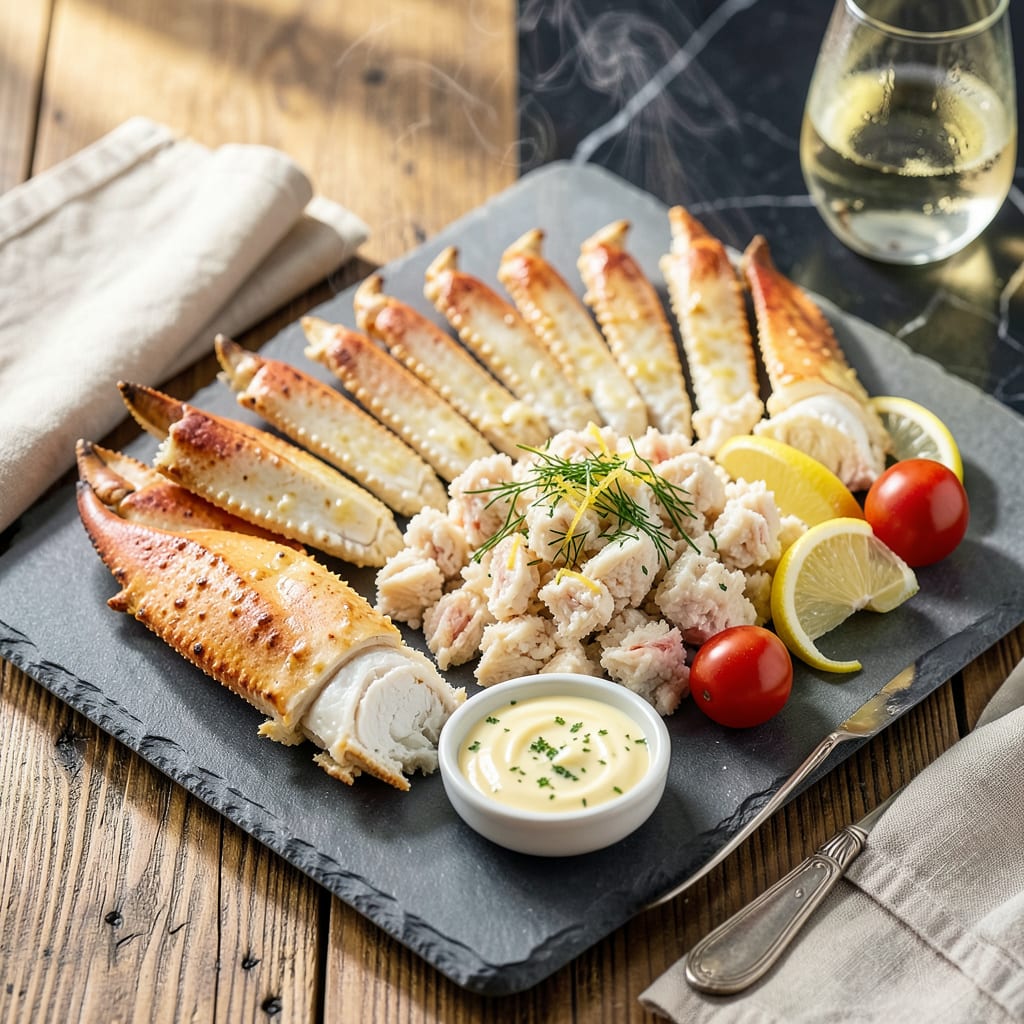
Here’s the thing—cooking frozen crab doesn’t have to be complicated or time-consuming. I’ve perfected a method that delivers sweet, tender meat without the hassle of long thawing periods. Whether you’re working with clusters, legs, or lump meat, this approach ensures you get restaurant-quality results at home.
The secret lies in choosing the right thawing method for your timeline. Overnight refrigerator thawing is my go-to for safety and texture, but I’ll also show you the cold water method when you’re short on time. No microwave shortcuts here—those can turn your precious crab into rubbery disappointment.
Once thawed, we’ll focus on gentle cooking techniques that preserve the delicate flavor. Steaming is my preferred method (just 5-7 minutes does the trick), but I’ll walk you through boiling and baking options too. The goal is always the same: succulent meat that practically falls out of the shell.
I’ll share my favorite simple pairings that let the crab shine—think melted garlic butter, bright lemon wedges, and a sprinkle of fresh parsley. This is about making the crab the star without fancy complications. Let’s get that sweet, briny flavor on your plate.
📚 In This Guide
- What You’ll Need
- Instructions
- Tips and Common Mistakes
What Youll Need
- ● Frozen crab: 1–2 lbs (450–900g) of pre-cooked frozen crab legs, claws, or whole crab (Dungeness, snow, or king crab work best). Check the label for “fully cooked” to skip thawing! ❄️
- ● Cooking vessel: Large pot (4–6 quarts) with lid or
- ● Steamer basket (if steaming)
- ● Baking sheet (if oven-baking)
- ● Liquid for cooking: 4–6 cups water, seafood stock, or beer (for extra flavor). Add 1 tbsp salt or Old Bay seasoning per quart. 🧂
- ● Tools: Tongs or crab crackers
- ● Kitchen shears (for cutting shells)
- ● Meat fork (to extract meat)
- ○ Optional: Nutcracker (for claws)
- ● Serving essentials: Melted butter (½ cup per lb of crab) + lemon wedges
- ● Small bowls for shells
- ○ Optional: Seafood sauce (cocktail, garlic butter, or aioli)
- ● Safety check: Food thermometer (to confirm internal temp reaches 145°F/63°C). ⚠️
Instructions
Cooking frozen crab properly preserves its delicate sweetness and tender texture—here’s how to do it right.
Choose Your Cooking Method
For frozen crab legs, I recommend either steaming or boiling—they both work beautifully. Steaming preserves more flavor, while boiling is slightly faster. If you’re working with frozen crab meat, we’ll use a gentler approach to prevent it from becoming rubbery.
For crab legs, fill a large pot with about 2 inches of water and bring it to a rolling boil. For steaming, use a steamer basket or colander set over 1-2 inches of boiling water. The key is creating enough steam without submerging the crab completely.
Prepare the Frozen Crab
There’s no need to thaw frozen crab legs—cooking them from frozen actually helps prevent the meat from becoming mushy. If you’re working with frozen crab meat, place it in a colander and run cold water over it for 1-2 minutes just to separate the pieces, but don’t fully thaw it.
For crab legs, you can leave them whole or use kitchen shears to cut them into smaller sections for easier handling. This also helps the heat penetrate more evenly. If your crab legs are in a plastic bag, remove them before cooking—never cook plastic in boiling water.
Cook the Crab to Perfection
For frozen crab legs, place them in your steamer basket or directly into the boiling water. Cover the pot and cook for 6-8 minutes for steaming or 5-7 minutes for boiling. You’ll know they’re done when the shells turn a bright orange-red color and the meat is heated through.
For frozen crab meat, place it in a heatproof dish and set it over (not in) simmering water, creating a gentle double-boiler effect. Heat for 3-5 minutes, stirring occasionally, until just warmed through. Be careful not to overcook—crab meat becomes tough quickly when overheated.
Serve and Enjoy
Remove the crab from heat immediately once cooked. For crab legs, use nutcrackers or kitchen shears to open the shells. I like to serve them with melted butter, lemon wedges, and a sprinkle of Old Bay seasoning for that classic seafood experience.
For crab meat, drain any excess liquid and use it immediately in your recipe. The meat should be tender, sweet, and flake easily with a fork. Remember that crab continues to cook slightly from residual heat, so serve it promptly for the best texture.
Tips and Common Mistakes
Cooking frozen crab perfectly is all about preserving that delicate sweetness and tender texture—here’s what I’ve learned from years of trial and error.
The Water Level Factor: In Step 1, when you’re filling the pot with 2 inches of water for boiling or 1-2 inches for steaming, don’t skimp. Too little water evaporates quickly and can leave your crab legs exposed to direct heat, causing uneven cooking. I always use the higher end of the range (2 inches) to be safe, especially for larger batches.
Visual Doneness Cue: The instructions mention looking for that bright orange-red color in Step 3, but here’s what nobody tells you—the color change happens quickly in the last minute of cooking. Watch closely during those final 6-8 minutes of steaming or 5-7 minutes of boiling. The moment the shells turn vibrant, pull them immediately to avoid overcooking.
Gentle Heat for Crab Meat: When working with frozen crab meat in Step 3, that 3-5 minute heating window is critical. I use a glass bowl for the double-boiler method because it lets me monitor the texture easily. Stir gently but constantly—you’re looking for the meat to just lose its translucency, not become firm. The second it’s warmed through, remove it from heat.
Equipment Hack: Don’t have a steamer basket? No problem. For Step 1, I’ve successfully used a metal colander placed over a pot of boiling water, or even a heatproof plate with holes poked in it. Just ensure whatever you use allows steam to circulate freely around the crab legs while keeping them above the water level.
Pro Tips for Cook Frozen Crab
- Cooking frozen crab perfectly is all about preserving that delicate sweetness and tender texture—here’s what I’ve lea…
- The Water Level Factor: In Step 1, when you’re filling the pot with 2 inches of water for boiling or 1-2 inches for s…
- Visual Doneness Cue: The instructions mention looking for that bright orange-red color in Step 3, but here’s what nob…
Frequently Asked Questions
Can I cook frozen crab without thawing it first?
Cooking frozen crab without thawing is safe and often preferred—it preserves texture and flavor. Just add 5-10 extra minutes to the cooking time (steaming, boiling, or baking) to ensure the meat heats through evenly. Avoid microwaving frozen crab directly, as it can turn rubbery.
How long does it take to cook frozen crab legs?
Timing depends on the method:
- Steaming: 8–10 minutes for frozen legs (vs. 5–6 thawed).
- Boiling: 6–8 minutes in rolling water.
- Baking: 12–15 minutes at 375°F (preheated oven).
What’s the best way to season frozen crab while cooking?
Keep it simple! Toss whole frozen crab (in shell) into salted boiling water with lemon wedges, bay leaves, or Old Bay seasoning. For legs/clusters, brush with garlic butter or sprinkle Cajun spice after cooking to avoid overpowering the natural sweetness.
Why does my frozen crab taste watery or mushy?
Overcooking is the usual culprit. Frozen crab cooks faster than you think—remove it from heat as soon as it’s opaque. If steaming, avoid overcrowding the pot. For pre-cooked frozen crab (common for legs), just reheat gently (3–5 minutes max) to prevent rubberiness.
Can I use an air fryer for frozen crab?
Yes! Air fry at 375°F for 6–8 minutes, shaking halfway. Lightly spray legs with oil and season after cooking for crispiness. Perfect for a quick, no-mess option—just watch closely to avoid drying out. (Not ideal for whole crabs, though.)
Cooking frozen crab doesn’t have to be intimidating—with the right techniques, you can enjoy tender, flavorful meat straight from the freezer! 🦀 Whether you boil, steam, or bake, the key is gentle heat and patience to preserve that sweet, delicate texture.
Now that you’ve got the know-how, why not pick up a bag of frozen crab legs on your next grocery run? Pair them with melted butter, lemon, and your favorite sides for a restaurant-worthy meal at home. Happy cooking—and even happier eating!

Trained in classic French technique but raised on slow-cooked ribs and spicy rubs, she blends culinary skill with smoke and soul.
- Recipe for Boneless Pork Chops in Cast Iron Skillet: Sear and Baste to Juicy Perfection - October 3, 2026
- Recipe for Boneless Cross Rib Roast: Slow-Roasted Beef with Herb Crust - October 3, 2026
- Hamburgers in Sauce Recipe Crock Pot: Slow-Cooked Savory Delight - October 3, 2026