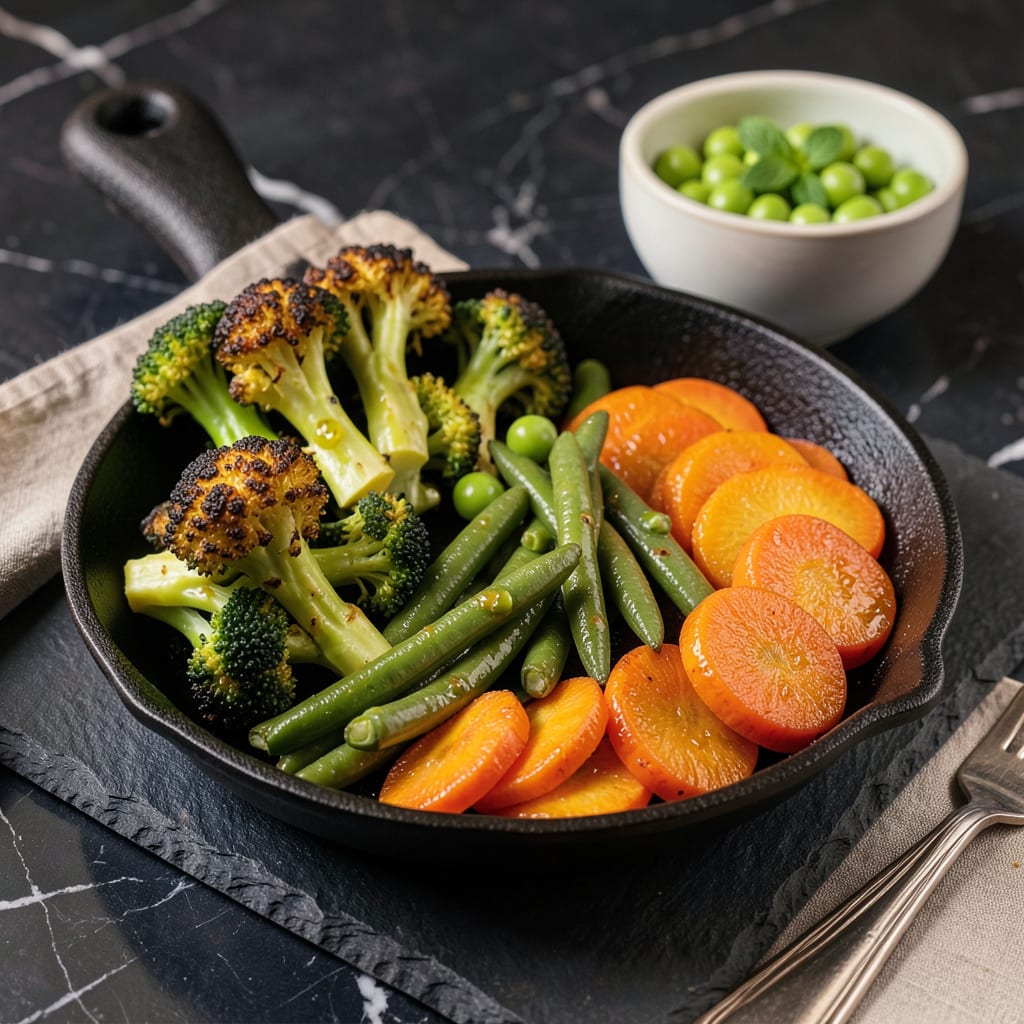
Let me tell you something—frozen veggies don’t have to be mushy or flavorless. I’ve spent years figuring out how to turn that bag of frozen broccoli or green beans into something actually exciting. The secret? It’s all about the cooking method and a few simple tricks that make them taste fresh-picked.
Here’s the thing—most people just microwave or boil frozen vegetables, which is basically asking for soggy disappointment. I’ve found that roasting, sautéing, or even air-frying gives you that perfect crisp-tender texture we’re all after. And with just a splash of oil and some smart seasoning, you can make them taste like they came straight from the farmers market.
What you’ll end up with is vegetables that actually have bite and flavor. No more sad, waterlogged sides—just perfectly cooked veggies with caramelized edges and bright, fresh taste. I make these at least twice a week because they’re faster than fresh and way more reliable than what most people expect from frozen.
Whether you’re tossing them in stir-fries, serving as a quick side, or adding to grain bowls, this method works for everything from peas to Brussels sprouts. Let’s fix your frozen veggie game for good.
📚 In This Guide
- What You’ll Need
- Instructions
- Tips and Common Mistakes
What Youll Need
- ● Frozen vegetables – 1 to 2 cups per serving (pick your favorites: broccoli, corn, green beans, or a mix!)
- ● Cooking oil or butter – 1 to 2 tablespoons (olive, avocado, or coconut oil work great)
- ● Salt – ½ teaspoon (or to taste)
- ○ Black pepper – ¼ teaspoon (optional but recommended)
- ○ Garlic powder or minced garlic – ½ teaspoon (optional for extra flavor)
- ○ Lemon juice or vinegar – 1 teaspoon (optional for brightness)
- ● Medium or large skillet (non-stick or cast iron preferred)
- ○ Baking sheet (if roasting) + parchment paper (optional for easy cleanup)
- ● Microwave-safe bowl with lid (if microwaving)
- ● Tongs or spatula for stirring
- ● Measuring spoons (for precise seasoning)
- ● Timer (your phone works too! ⏰)
Instructions for Perfectly Cooked Frozen Vegetables
Here’s my foolproof method for transforming frozen veggies into crisp-tender results every time.
Choose the Right Cooking Method
Start by selecting your cooking approach based on the vegetable type. For dense veggies like broccoli or carrots, I recommend roasting or sautéing. Delicate vegetables such as peas or green beans work best with quick steaming or stir-frying. The key is matching the method to the vegetable’s texture.
I always avoid boiling unless I’m making soup – this method tends to make vegetables waterlogged and mushy. If you’re using a mix of vegetables, separate them by density and add the harder ones first. This ensures everything finishes cooking at the same time without some pieces turning to mush while others remain frozen.
Prep Vegetables Without Thawing
Don’t thaw your frozen vegetables – cooking them straight from frozen helps maintain texture. Spread them in a single layer on a baking sheet if roasting, or add directly to your hot pan if sautéing. For steaming, place frozen vegetables in your steamer basket in an even layer.
If you’re working with frozen vegetable mixes, take a moment to break up any clumps before cooking. I like to gently toss them with a spoon or my hands to separate the pieces. This prevents uneven cooking where some pieces steam in clumps while others overcook. Remember, we’re aiming for crisp-tender results, not steamed mush.
Cook with High Heat and Proper Timing
For roasting, preheat your oven to 425°F and toss vegetables with 1-2 tablespoons of oil per pound. Roast for 15-20 minutes, stirring halfway through, until edges begin to brown and vegetables are tender when pierced with a fork. The high heat creates that perfect caramelization while cooking through quickly.
When sautéing, heat your pan over medium-high heat until hot, then add oil and vegetables. Cook for 5-7 minutes, stirring occasionally, until vegetables are heated through and develop some golden spots. For steaming, bring 1 inch of water to a boil, add vegetables, cover, and steam for 3-5 minutes until just tender. Watch closely – they cook faster than you might expect!
Season and Finish Properly
Once your vegetables are cooked to that perfect crisp-tender state, transfer them to a serving dish immediately. I like to season with salt and pepper while they’re still hot so the seasoning adheres better. For extra flavor, add a pat of butter, a drizzle of olive oil, or a sprinkle of your favorite herbs.
Here’s the thing – frozen vegetables often need a little extra love in the seasoning department since freezing can mute flavors slightly. Don’t be shy with your seasonings. I always taste and adjust before serving. A squeeze of lemon juice or a dash of garlic powder can really brighten up the flavors and make your vegetables taste fresh and vibrant.
Serve Immediately for Best Texture
Serve your perfectly cooked vegetables right away while they’re still hot. The texture is at its peak immediately after cooking – crisp edges with tender interiors. If you need to hold them, spread them out on a baking sheet in a single layer to prevent steaming and maintain that ideal texture.
I’ve found that frozen vegetables actually reheat quite well if you use the same high-heat methods. Just be careful not to overcook them during reheating. A quick toss in a hot pan or a few minutes in the oven at 375°F is all they need to regain that just-cooked quality. Now you’ve got perfectly cooked vegetables ready to complement any meal!
Tips and Common Mistakes
Let me share what I’ve learned about getting perfect results with frozen vegetables—these small details make all the difference.
Heat Control: When roasting at 425°F as specified in Step 3, make sure your oven is fully preheated before adding vegetables. The high heat is crucial for achieving that caramelization without turning vegetables mushy. I always use the middle rack position for even heat distribution. If your oven runs hot, check vegetables at the 15-minute mark rather than waiting the full 20 minutes.
The Technique That Changed Everything: For sautéing at medium-high heat, don’t overcrowd your pan. When you add too many frozen vegetables at once, the temperature drops dramatically and they steam instead of sear. Work in batches if needed, giving each piece room to develop those golden spots mentioned in Step 3. The 5-7 minutes cooking time assumes proper pan temperature—if your pan isn’t hot enough initially, you’ll need to extend the time slightly.
What to Watch For: With steaming, those 3-5 minutes go by incredibly fast. The moment you add frozen vegetables to boiling water, start your timer. I recommend setting it for 3 minutes first, then checking every 30 seconds after that. You want vegetables that are just tender—if you can pierce them easily with a fork but they still have some resistance, they’re perfect. Oversteaming is the quickest way to end up with mushy results.
Seasoning Strategy: As mentioned in Step 4, frozen vegetables benefit from bold seasoning. Here’s what nobody tells you—add your salt and pepper immediately after cooking while vegetables are still in the hot pan. The residual heat helps the seasonings adhere better. I also recommend finishing with something acidic like lemon juice or vinegar to brighten flavors that may have dulled during freezing. This small step makes vegetables taste remarkably fresh.
Pro Tips for Cook Frozen Vegetables
- Let me share what I’ve learned about getting perfect results with frozen vegetables—these small details make all the …
- Heat Control: When roasting at 425°F as specified in Step 3, make sure your oven is fully preheated before adding veg…
- The Technique That Changed Everything: For sautéing at medium-high heat, don’t overcrowd your pan. When you add too m…
Frequently Asked Questions
Can I cook frozen vegetables without thawing them first?
Most frozen veggies are flash-frozen at peak freshness, so cooking them straight from the freezer preserves texture and nutrients. Thawing can make them mushy—skip it unless a recipe specifies otherwise (like for stir-fries where you want extra crispiness). Just adjust cooking time by 1-2 minutes if needed.
How long do frozen vegetables take to cook compared to fresh?
Frozen veggies often cook faster than fresh because they’re pre-cut and partially blanched. For example:
- Steaming: 5-7 minutes (vs. 8-10 for fresh)
- Roasting: 15-20 minutes at 425°F (toss with oil first!)
- Microwaving: 3-5 minutes (check halfway).
Why do my frozen vegetables turn out soggy? How can I fix it?
Sogginess usually happens from overcrowding or excess moisture. Try these fixes:
- Pat dry with a paper towel before cooking.
- Use high heat (like roasting or stir-frying) to evaporate water.
- Avoid boiling—steam or sauté instead.
Are there any frozen vegetables I should avoid cooking?
Most freeze well, but some textures change dramatically. Skip or use cautiously:
- Lettuce/spinach: Turns limp (better in smoothies or cooked dishes).
- Cucumbers/celery: Become watery (best pickled or avoided).
- Potatoes: Can darken—opt for pre-fried frozen hash browns instead.
Can I refreeze cooked frozen vegetables?
Technically yes, but quality suffers. Each freeze-thaw cycle degrades texture and flavor. If you must, cool them quickly, store in airtight containers, and use within 1-2 months. Better idea: Cook only what you’ll eat, or repurpose leftovers into soups or casseroles where texture matters less!
Cooking frozen veggies doesn’t have to mean mushy, flavorless sides! With the right techniques—like roasting, sautéing, or steaming—you can turn them into crisp-tender, delicious dishes in minutes. 🌟 Whether you’re meal prepping or whipping up a quick side, frozen veggies are a nutrient-packed, budget-friendly win.
Ready to put your skills to the test? Grab a bag of your favorite frozen veggies and try one of these methods tonight—your taste buds (and busy schedule) will thank you! Pro tip: Bookmark this guide for those last-minute dinner saves. 😉

Trained in classic French technique but raised on slow-cooked ribs and spicy rubs, she blends culinary skill with smoke and soul.
- Recipe for Boneless Pork Chops in Cast Iron Skillet: Sear and Baste to Juicy Perfection - October 3, 2026
- Recipe for Boneless Cross Rib Roast: Slow-Roasted Beef with Herb Crust - October 3, 2026
- Hamburgers in Sauce Recipe Crock Pot: Slow-Cooked Savory Delight - October 3, 2026