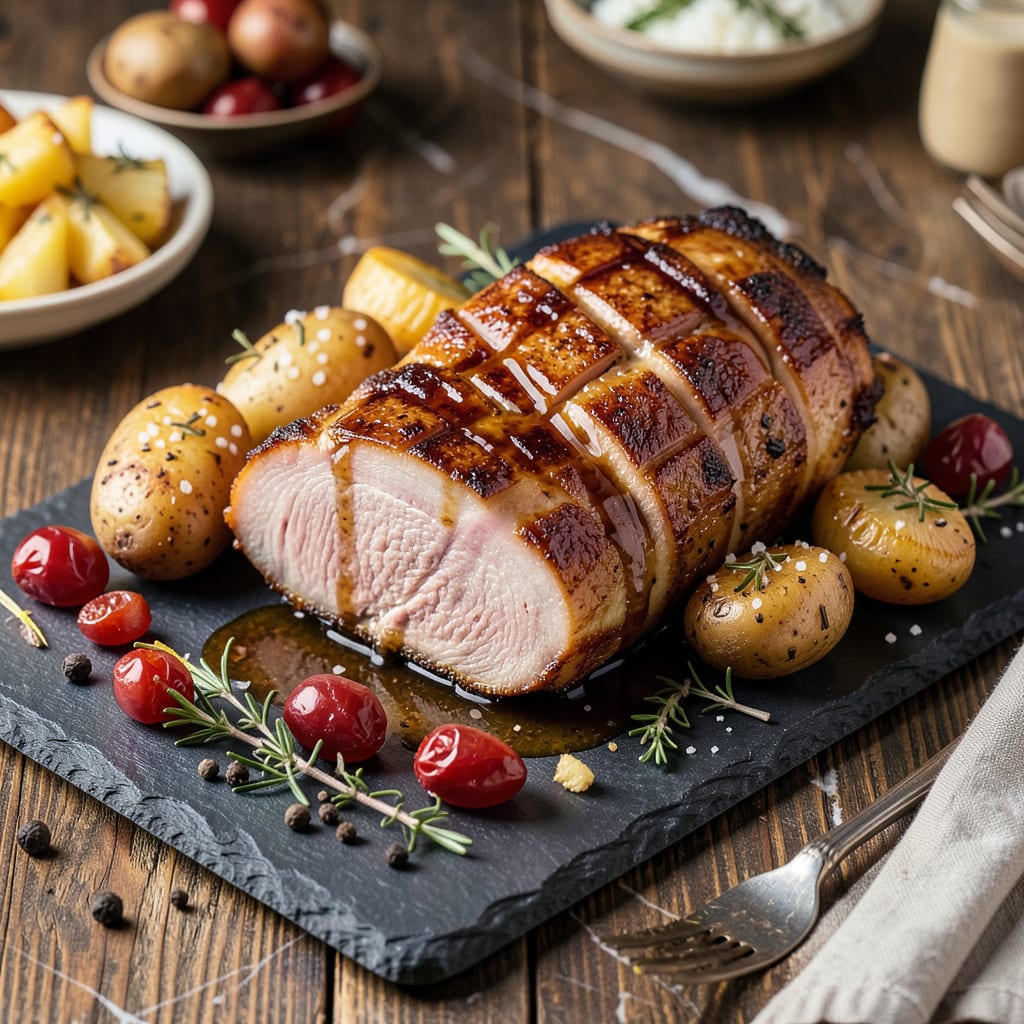
No oven? No problem. I’ve cooked more hams in my slow cooker than I can count, and let me tell you—this method delivers juicy, fall-apart tender results every single time. There’s something deeply satisfying about setting it and forgetting it while your kitchen fills with that smoky-sweet ham aroma.
I stumbled onto this technique during a holiday when my oven decided to quit on me. Turns out, the slow cooker doesn’t just work—it actually makes the ham better. The low, steady heat keeps all those natural juices locked in while letting flavors develop slowly. No dried-out edges, no stress about timing. Just perfect ham that practically carves itself.
What you’ll end up with is meat so tender it nearly melts on your tongue, with that classic ham flavor amped up by whatever glaze or seasoning you choose. I like to add a brown sugar and mustard glaze during the last hour—it creates this sticky, caramelized coating that takes it over the top. The best part? Your hands are free to prep sides while it cooks.
Whether you’re feeding a crowd or just want leftovers for sandwiches, this method works. All you need is a slow cooker, about 4-6 hours on low, and the patience to let it do its thing. Here’s exactly how to make it happen.
📚 In This Guide
- What You’ll Need
- Instructions
- Tips and Common Mistakes
What Youll Need
- ● Ham: 1 fully cooked, bone-in or boneless ham (6–10 lbs, depending on servings). Tip: Pre-sliced or spiral-cut saves time!
- ● Liquid: 1–2 cups of broth (chicken, veggie, or ham), apple cider, or water to keep it moist.
- ● Seasonings: 2 tbsp brown sugar or honey (for glaze).
- ○ 1 tbsp Dijon mustard (optional, for tang).
- ● 1 tsp ground cloves, cinnamon, or allspice (to taste).
- ● Salt & black pepper (adjust to preference).
- ● Tools: Slow cooker (6-quart or larger) or large pot with lid or grill with indirect heat setup.
- ● Aluminum foil (for stovetop/grill methods).
- ● Meat thermometer (to ensure safe internal temp of 145°F).
- ● Basting brush (for glaze).
- ● Sharp knife & cutting board (for trimming/slicing).
- ○ Optional Extras: Pineapple rings or maraschino cherries (for classic ham garnish).
- ● Fresh herbs (rosemary, thyme) for extra aroma.
- ● Cooking twine (if securing a boneless ham).
Instructions for Cooking Ham Without an Oven
This slow cooker method delivers fall-off-the-bone tender ham with minimal effort—here’s exactly how to do it.
Prepare Your Ham for Slow Cooking
Start by selecting a fully cooked ham that fits comfortably in your slow cooker. I recommend a 4-6 pound boneless ham for this method, as it cooks more evenly and is easier to slice later. If your ham has a thick skin or rind, use a sharp knife to score it in a diamond pattern—this helps the flavors penetrate and makes for a more attractive presentation.
Place the ham flat-side down in your slow cooker. This position helps the ham retain its natural juices during cooking. If your ham came with a plastic bone guard, leave it in place—it helps maintain the shape and prevents the meat from drying out where the bone was removed.
Add Liquid and Seasonings
Pour 1 cup of liquid into the bottom of the slow cooker—apple juice, pineapple juice, or even water work well. The liquid creates steam that keeps the ham moist throughout the long cooking process. I particularly like using apple juice as it adds a subtle sweetness that complements the ham beautifully.
If you want to add extra flavor, sprinkle the ham with 2 tablespoons of brown sugar or drizzle with 1 tablespoon of honey. You can also add whole cloves by pressing them into the scored skin in a decorative pattern. The slow cooking process will infuse these flavors deeply into the meat without overpowering it.
Cook on Low for Perfect Tenderness
Cover the slow cooker and set it to low heat. This gentle, prolonged cooking is what makes the ham so incredibly tender. Cook the ham for 4-6 hours, depending on its size. A good rule of thumb is about 1 hour per pound on low setting.
Resist the temptation to check on the ham frequently—every time you lift the lid, you lose valuable heat and moisture. The ham is done when it reaches an internal temperature of 140°F (use a meat thermometer to check) and the meat pulls away easily from the bone if you’re using a bone-in ham.
Create a Simple Glaze (Optional)
About 30 minutes before serving, you can create a quick glaze to add extra flavor and shine. Mix ¼ cup of brown sugar with 2 tablespoons of the cooking liquid from the slow cooker. If you want a tangy twist, add 1 tablespoon of Dijon mustard or a splash of apple cider vinegar.
Brush this mixture over the ham and let it cook for the remaining time. The glaze will caramelize slightly and create a beautiful, flavorful crust. If you prefer a thicker glaze, you can transfer the liquid to a small saucepan and simmer it on the stovetop for 5 minutes until slightly reduced before brushing it on.
Rest and Serve Your Perfect Ham
Once the ham reaches the proper temperature, turn off the slow cooker and let the ham rest for 15-20 minutes before slicing. This resting period allows the juices to redistribute throughout the meat, ensuring every slice is moist and flavorful.
Transfer the ham to a serving platter and slice it against the grain for the most tender texture. Arrange the slices on the platter and spoon some of the cooking juices over the top. The ham should be so tender it nearly falls apart with just a fork, and the flavors should be rich and well-developed from the slow cooking process.
Tips and Common Mistakes
Let me share what I’ve learned from years of slow-cooking ham—these small details make all the difference between good and unforgettable.
The Time Factor: That 4-6 hour cooking window at low heat is your golden rule. I always plan for 1 hour per pound as the instructions suggest, but here’s what nobody tells you—start checking at 4 hours even for a 6-pound ham. The moment it hits 140°F internally, it’s done. Overcooking is the fastest way to dry out ham, and trust me, I’ve ruined more than one by leaving it too long “just to be safe.”
Liquid Choice Matters: While water works in a pinch, using apple juice or pineapple juice transforms your ham. The natural sugars caramelize slightly during those 4-6 hours, creating subtle sweetness that water just can’t match. I’ve tested all three, and the juice options always get compliments. Just be sure to use exactly 1 cup—too much liquid makes the ham steam rather than gently cook in its own juices.
Glazing Timing: When you add that optional glaze 30 minutes before serving, here’s my secret: brush it on, then don’t touch the lid again. Every time you lift it, you lose heat and the glaze won’t set properly. I like to mix my ¼ cup brown sugar with the cooking liquid right in a small bowl, then use a pastry brush for even coverage. The 5-minute stovetop reduction mentioned in Step 4 creates a thicker glaze that clings better to the ham.
Resting is Non-Negotiable: I know it’s tempting to slice right into that beautiful ham, but those 15-20 minutes of resting time are crucial. The juices need to redistribute—cut too soon and you’ll see them all pool on your cutting board instead of staying in the meat. I set a timer and use this time to warm my serving platter and prepare any side dishes.
Pro Tips for Cook Ham Without Oven
- Let me share what I’ve learned from years of slow-cooking ham—these small details make all the difference between goo…
- The Time Factor: That 4-6 hour cooking window at low heat is your golden rule. I always plan for 1 hour per pound as …
- Liquid Choice Matters: While water works in a pinch, using apple juice or pineapple juice transforms your ham. The na…
Frequently Asked Questions
Got questions about cooking ham without an oven? You’re not alone! Here are the most common queries—and quick answers—to help you nail that juicy, flavorful ham every time.
Can I cook a fully cooked ham in a slow cooker without drying it out?
Absolutely! Use low heat (2-3 hours on Low) and add ½ cup of liquid (broth, apple juice, or pineapple juice) to keep it moist. Cover tightly—no peeking! A glaze in the last 30 minutes adds extra flavor without drying.
How long does it take to cook ham in a slow cooker vs. stovetop?
Slow cooker: 4-6 hours on Low (or 2-3 on High) for a 3-5 lb ham. Stovetop: Simmer 15-20 minutes per pound in a pot with liquid. Pro tip: Use a meat thermometer—145°F is your magic number!
What’s the best liquid to use for slow-cooked ham?
Fruit juices (pineapple, apple, or orange) add sweetness, while broth or cola gives depth. Avoid water—it dilutes flavor. For extra richness, mix 1 cup liquid with 2 tbsp brown sugar or honey.
Can I cook a spiral ham without an oven?
Yes! In a slow cooker, place it cut-side down, add liquid, and cook on Low for 3-4 hours. Skip stirring to keep slices intact. For stovetop, wrap tightly in foil and simmer gently. Glaze only at the end to prevent sogginess.
Why is my slow-cooker ham mushy or falling apart?
Overcooking or too much liquid is usually the culprit. Stick to the minimum time (2-3 hours on High for small hams) and use just enough liquid to cover the bottom. Let it rest 10 minutes before slicing for cleaner cuts.
Who knew you could whip up a juicy, flavor-packed ham without an oven? 🍖 From slow cookers to stovetop methods, you’ve got plenty of foolproof ways to serve up a showstopper—no fancy equipment required. Whether it’s a holiday centerpiece or a cozy weeknight meal, these techniques make it easy and delicious.
Ready to put your new skills to the test? Pick your favorite method, grab that ham, and get cooking! Don’t forget to snap a pic of your masterpiece and share it with friends—your kitchen just became the star of the meal. 🌟

Trained in classic French technique but raised on slow-cooked ribs and spicy rubs, she blends culinary skill with smoke and soul.
- Recipe for Boneless Pork Chops in Cast Iron Skillet: Sear and Baste to Juicy Perfection - October 3, 2026
- Recipe for Boneless Cross Rib Roast: Slow-Roasted Beef with Herb Crust - October 3, 2026
- Hamburgers in Sauce Recipe Crock Pot: Slow-Cooked Savory Delight - October 3, 2026