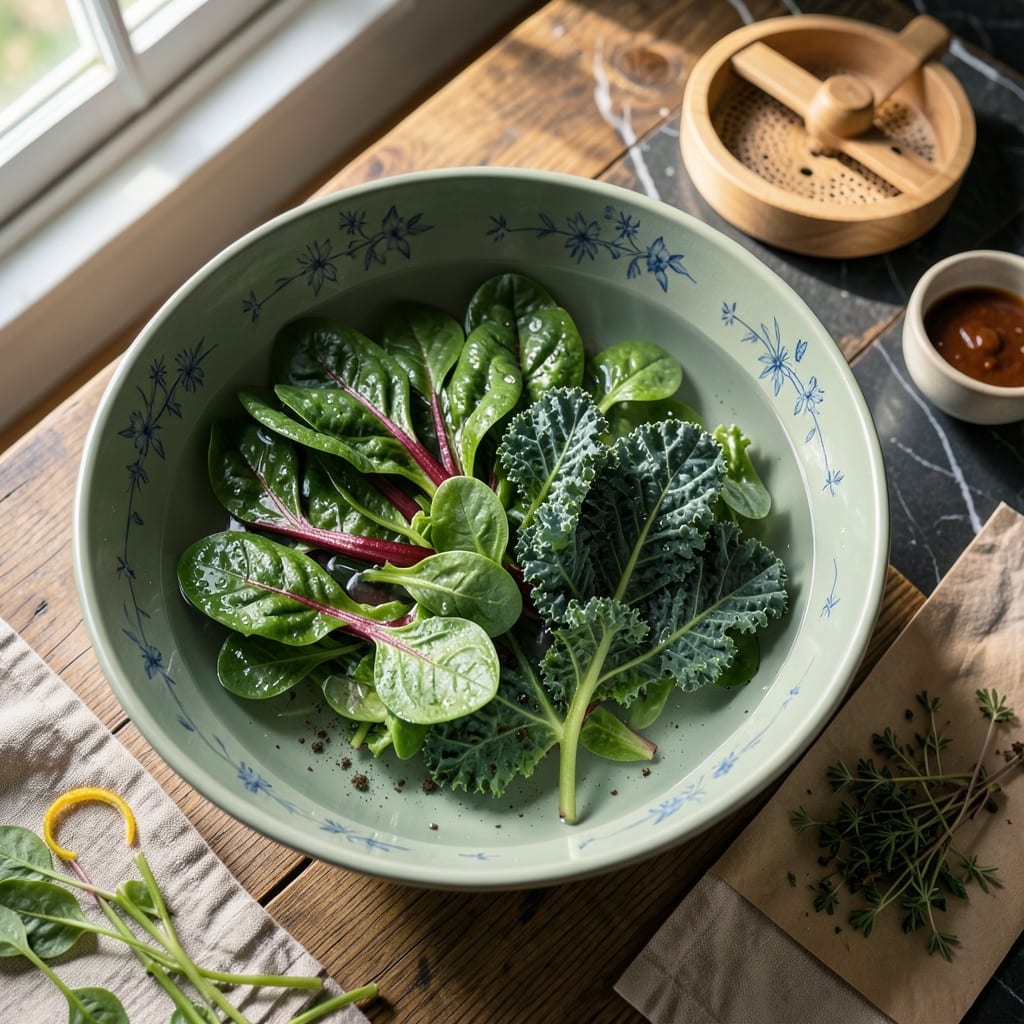
I’ll be real with you—cooking leafy greens perfectly is all about timing and heat control. After years of turning spinach to mush and leaving kale tough as leather, I finally nailed the 10-minute method that works for any green. No fancy equipment, just a hot pan and knowing when to pull them off the heat.
Here’s the thing—delicate greens like spinach need just 2-3 minutes in a screaming hot pan, while heartier collards or kale benefit from a quick blanch first. I always start with garlic sizzling in olive oil (that aroma alone sells me every time), then add the greens in batches so they wilt evenly. A splash of lemon juice at the end brightens everything up.
What you get is perfectly tender greens that keep their vibrant color and just the right amount of bite. They’re versatile enough to pair with smoky tofu, nutty grains, or just a sprinkle of chili flakes for heat. I make a big batch weekly—they reheat beautifully and work in everything from grain bowls to tacos.
Confession: I used to think cooking greens was boring until I realized they’re the fastest way to add color, nutrients, and serious flavor to any meal. Now they’re my go-to when I need something healthy in a hurry. Let’s get those pans hot!
📚 In This Guide
- What You’ll Need
- Instructions
- Tips and Common Mistakes
What Youll Need
- ● Leafy greens: 1–2 bunches (about 4–6 cups) of kale, spinach, collard greens, Swiss chard, or bok choy—fresh or frozen (thawed).
- ● Cooking oil or fat: 1–2 tbsp of olive oil, coconut oil, butter, or ghee for sautéing.
- ○ Aromatics (optional but recommended): 2–3 cloves garlic (minced), ½ onion (diced), or 1 tsp ginger (grated).
- ○ Seasonings: Salt (to taste), ¼ tsp black pepper, and ½ tsp red pepper flakes (optional for heat).
- ○ Liquid (optional): 2–3 tbsp of vegetable broth, water, or lemon juice for steaming.
- ○ Toppings (optional): 1 tbsp toasted nuts/seeds, 1 tbsp grated Parmesan, or a drizzle of balsamic glaze.
- ● Large skillet, sauté pan, or pot (10–12 inches wide for even cooking).
- ● Chef’s knife and cutting board for prep.
- ● Wooden spoon or tongs for stirring.
- ● Colander (if using fresh greens for washing).
- ● Measuring spoons (for precise seasoning).
- ○ Timer (optional but handy for perfect doneness!).
Instructions
Here’s the simple method I use to transform leafy greens into perfectly tender, flavorful bites in record time.
Wash and Prepare the Greens Thoroughly
Start by filling a large bowl with cold water and submerging your leafy greens completely. I like to swish them around gently to loosen any dirt or grit that might be hiding in the crevices. This step is crucial—even pre-washed greens can harbor sand or soil that will ruin the texture of your finished dish.
Lift the greens from the water (don’t pour them through a colander) and transfer to a clean kitchen towel or salad spinner. Repeat the washing process if the water looks dirty. Once clean, pat them completely dry with paper towels or spin them dry. Wet greens will steam instead of sauté, making them soggy rather than tender.
While the greens dry, remove any thick stems or ribs by folding the leaves in half and stripping them away with your fingers. For heartier greens like kale or collards, I recommend cutting the leaves into 1-inch ribbons for even cooking. Delicate greens like spinach or arugula can stay whole.
Heat the Pan and Add Aromatics
Place a large skillet or sauté pan over medium-high heat and let it preheat for 1-2 minutes until hot. Add just enough olive oil to lightly coat the bottom of the pan—about 1-2 tablespoons should do it. You want the greens to sizzle when they hit the pan, not swim in oil.
Once the oil shimmers, add your aromatics. I typically use 2-3 minced garlic cloves and a pinch of red pepper flakes for heat, but you could also add diced onions or sliced shallots. Cook these for 30-60 seconds until fragrant but not browned—burnt garlic will make your greens bitter.
The moment you smell the garlic’s aroma, you’re ready for the next step. This quick cooking preserves the fresh flavor of the aromatics while building a flavor base for your greens. Keep everything moving in the pan to prevent burning.
Sauté the Greens in Batches
Add the prepared greens to the pan in batches, starting with about one-third of the total amount. They’ll seem like too much at first, but they wilt dramatically. Use tongs to turn and coat the greens in the oil and aromatics. As they begin to wilt after 1-2 minutes, add another batch.
Continue this process, stirring frequently, until all greens are in the pan. For tender greens like spinach or chard, the entire process takes 3-4 minutes total. Heartier greens like kale or collards may need 5-7 minutes of cooking time. You’re looking for leaves that are bright green and tender but still hold their shape.
If the pan seems dry, add a splash of water or vegetable broth—about 2-3 tablespoons—and cover the pan briefly to create steam. This helps tenderize thicker greens without making them mushy. Taste as you go and adjust seasoning with salt and pepper.
Finish and Season to Perfection
Once the greens reach your desired tenderness, remove the pan from heat. I like my greens to still have a slight bite—overcooked greens lose their vibrant color and become unpleasantly soft. Stir in any final seasonings like a squeeze of lemon juice, a drizzle of balsamic vinegar, or a sprinkle of toasted nuts for crunch.
For extra richness, you can finish with a pat of butter or a drizzle of high-quality olive oil. This adds a luxurious mouthfeel to the greens. Taste one final time and adjust the seasoning if needed—sometimes a pinch more salt or a grind of pepper makes all the difference.
Serve the greens immediately while they’re still warm and at their peak texture. They make an excellent side dish to almost any protein or can be tossed with cooked grains for a hearty vegetarian main course. Leftovers keep well in the refrigerator for 3-4 days and can be reheated gently in a skillet.
Tips and Common Mistakes
Mastering this simple technique comes down to a few key details that make all the difference between soggy and sublime.
Drying is Everything: In Step 1, don’t rush the drying process after washing. Even slightly damp greens will steam instead of sauté, creating a mushy texture rather than the tender-crisp result we want. I’ve ruined batches by cutting corners here—trust me, take the extra minute to pat them completely dry or use a salad spinner. The difference in final texture is dramatic.
Heat Control: When preheating your pan in Step 2, you want it properly hot but not smoking. The 1-2 minutes at medium-high heat should make a drop of water dance across the surface. If your oil starts smoking immediately, your pan is too hot. I like to test by flicking a tiny piece of green into the pan—it should sizzle vigorously but not burn instantly.
Batch Strategy: Adding greens in batches during Step 3 isn’t just about fitting them in the pan—it’s about temperature control. Each new addition cools the pan slightly. By working in stages, you maintain consistent heat throughout the 3-4 minutes (or 5-7 for heartier greens) needed to achieve perfect tenderness without overcooking. I use this technique even with delicate spinach to prevent uneven cooking.
Seasoning Timing: While the instructions mention adding salt and pepper during cooking, I’ve found that salting too early can draw out moisture and make greens watery. Instead, add just a pinch when you first start sautéing, then adjust at the very end when you’re finishing the dish. This gives you better control over the final texture and flavor balance.
Pro Tips for Cook Leafy Greens
- Mastering this simple technique comes down to a few key details that make all the difference between soggy and sublime.
- Drying is Everything: In Step 1, don’t rush the drying process after washing. Even slightly damp greens will steam in…
- Heat Control: When preheating your pan in Step 2, you want it properly hot but not smoking. The 1-2 minutes at medium…
Frequently Asked Questions
Got questions about cooking leafy greens? You’re not alone! Here are the most common queries—and quick answers—to help you nail that perfect bite every time.
How long should I cook leafy greens to avoid a mushy texture?
Most greens (like spinach or kale) cook in 2–5 minutes on medium-high heat. Delicate greens (arugula, baby spinach) wilt in under a minute! Drain excess water immediately and stop cooking when they’re vibrant but tender. Overcooking = sad, soggy greens.
Can I eat leafy greens raw instead of cooking them?
Absolutely! Many greens (spinach, arugula, romaine) are delicious raw in salads or smoothies. However, cooking reduces oxalates (compounds that can interfere with nutrient absorption) in greens like Swiss chard or beet tops. Balance both for variety!
Why do my greens turn bitter after cooking?
Bitterness often comes from overcooking or using older greens. Try blanching (boil 30 sec, then ice bath) or sautéing with a splash of lemon juice, garlic, or a pinch of salt to balance flavors. Freshness matters—pick younger, smaller leaves for milder taste!
What’s the best oil or fat to cook leafy greens with?
Olive oil (extra virgin for flavor) or sesame oil (for Asian-style dishes) work beautifully. Butter adds richness, while bacon fat or coconut oil can bring smoky/sweet notes. Avoid high-heat oils like flaxseed—they burn easily. Pro tip: Use 1 tbsp fat per 4 cups greens.
How do I store leftover cooked greens?
Let them cool completely, then store in an airtight container in the fridge for up to 3 days. Reheat gently in a pan with a splash of water or broth to revive texture. Freezing works too—blanch first, then freeze in portions for soups or stir-fries!
Cooking leafy greens doesn’t have to be complicated—just a little heat, the right technique, and 10 minutes or less stand between you and a vibrant, nutrient-packed side dish! 🥬✨ Whether you’re sautéing, steaming, or blanching, the key is to keep it simple and let their natural flavors shine.
Ready to get cooking? Pick your favorite greens (kale, spinach, or collards—you can’t go wrong!) and try one of the methods above tonight. Your taste buds (and your body) will thank you! 💚

Trained in classic French technique but raised on slow-cooked ribs and spicy rubs, she blends culinary skill with smoke and soul.
- Recipe for Boneless Pork Chops in Cast Iron Skillet: Sear and Baste to Juicy Perfection - October 3, 2026
- Recipe for Boneless Cross Rib Roast: Slow-Roasted Beef with Herb Crust - October 3, 2026
- Hamburgers in Sauce Recipe Crock Pot: Slow-Cooked Savory Delight - October 3, 2026