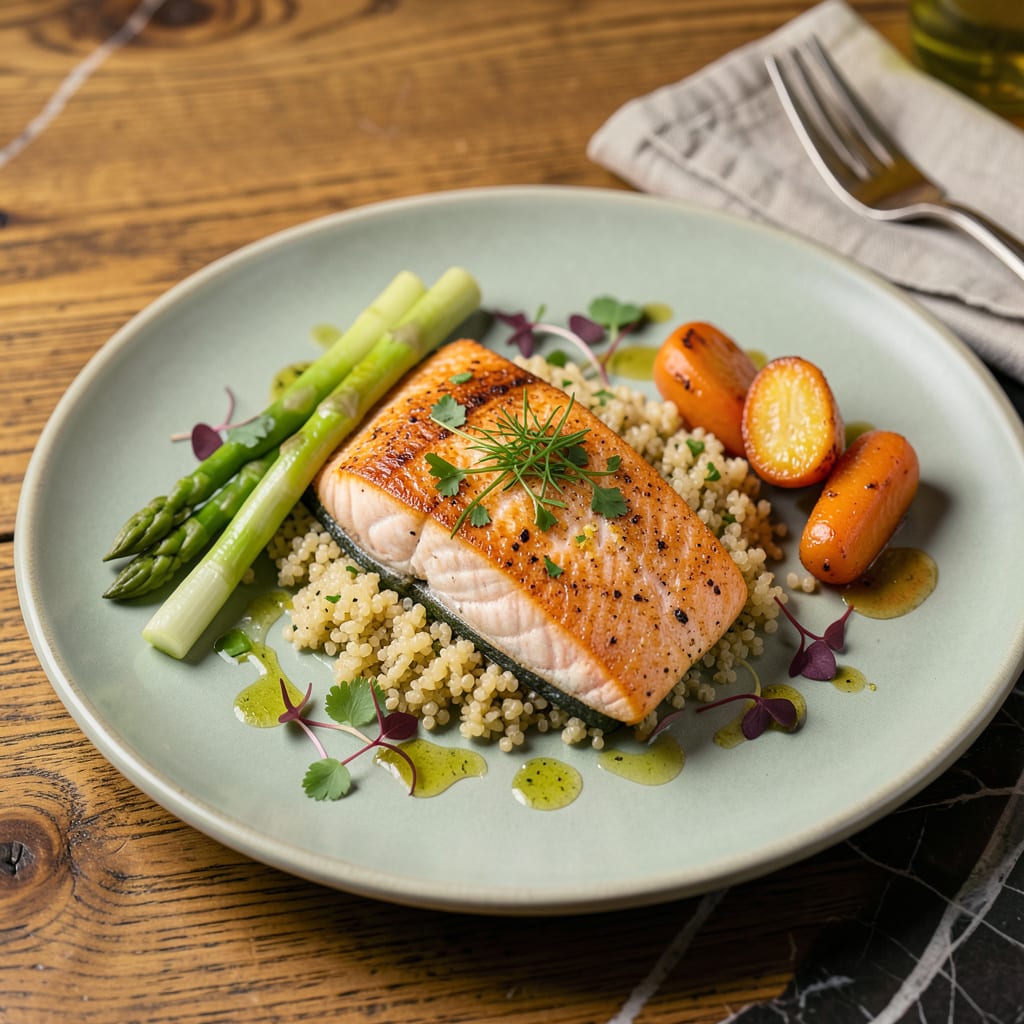
Cooking salmon for acid reflux requires a thoughtful approach that balances flavor with digestive comfort. This preparation method focuses on gentle cooking techniques and carefully selected ingredients to create a meal that’s both delicious and easy on the stomach. By avoiding common triggers and using reflux-friendly seasonings, we can enjoy salmon’s natural richness without discomfort.
The key to this recipe lies in its simplicity and precision. We’ll use low-fat preparation methods like baking or poaching at controlled temperatures to preserve the fish’s natural moisture while minimizing added fats. The seasonings are deliberately mild yet flavorful, enhancing the salmon’s natural taste without introducing potential irritants. This approach ensures the final dish remains tender, moist, and gentle on digestion.
What sets this preparation apart is its attention to both culinary quality and digestive health. The cooking process is designed to maintain the salmon’s delicate texture while incorporating ingredients that support comfortable digestion. You’ll achieve perfectly cooked fish that flakes easily with a fork, retaining its natural juiciness without any heavy or greasy aftertaste.
This method works equally well for both fresh and frozen salmon, making it a versatile option for regular meals. The techniques you’ll learn here can be applied to other mild fish varieties, expanding your repertoire of reflux-friendly protein options. Let’s begin with the precise steps to prepare this gentle yet satisfying dish.
📚 In This Guide
- What You’ll Need
- Instructions
- Tips and Common Mistakes
What Youll Need
- ● Fresh or frozen salmon fillets – 1 (6-oz) fillet per serving, skin-on or skinless (opt for wild-caught if possible 💡).
- ● Low-fat cooking oil – 1 tbsp olive oil, avocado oil, or coconut oil (avoid butter or high-fat oils).
- ○ Acid reflux-friendly seasonings – ½ tsp each: dried oregano, garlic powder (optional), and sea salt (skip black pepper or spicy blends!).
- ○ Fresh herbs – 1 tbsp chopped dill, parsley, or basil (optional for garnish).
- ○ Lemon slices – 1-2 thin slices per fillet (optional, but use sparingly—citrus can trigger reflux for some).
- ● Parchment paper or aluminum foil – 1 sheet per fillet (for baking/steaming).
- ● Non-stick skillet or baking sheet – 1 medium (10-12″) skillet or a lined baking sheet.
- ● Food thermometer – To check doneness (target: 145°F internal temp 🌡️).
- ● Tongs or fish spatula – For gentle flipping (avoid breaking the fillet!).
- ○ Steamer basket – Optional for poaching (if avoiding oils entirely).
- ○ Low-sodium broth or water – ½ cup for poaching/steaming (optional).
- ● Acid reflux meds – Just in case! Keep your go-to remedy nearby (e.g., antacids).
Instructions for Cooking Salmon for Acid Reflux
This method ensures a gentle preparation that minimizes fat while maximizing flavor and digestibility.
Select and Prepare the Salmon
Choose fresh, wild-caught salmon fillets with the skin removed, as skin contains higher fat concentrations that may trigger reflux. Portion the fillets into 4-ounce servings—this controlled portion size helps prevent overeating, which can exacerbate acid reflux symptoms.
Pat the fillets completely dry with paper towels to remove surface moisture. This step is crucial for even cooking and proper seasoning adhesion. I recommend using a gentle blotting motion rather than rubbing to avoid damaging the delicate flesh.
Apply Low-Acid Seasoning
Create a reflux-friendly seasoning blend using ¼ teaspoon of dried dill, ¼ teaspoon of dried parsley, and ⅛ teaspoon of fine sea salt per fillet. These herbs provide flavor without the acidity of citrus or vinegar-based seasonings that can aggravate reflux.
Lightly coat both sides of each fillet with the herb mixture, pressing gently to adhere. Avoid using pepper or spicy seasonings, as these can relax the lower esophageal sphincter and potentially worsen reflux symptoms. The goal is to enhance natural salmon flavor without introducing irritants.
Employ Gentle Cooking Methods
For acid reflux sufferers, I recommend either poaching or steaming as the primary cooking methods. To poach, bring 2 cups of water to a gentle simmer in a wide pan with 1 tablespoon of olive oil (use sparingly). The water temperature should remain between 160-180°F—you’ll see small bubbles forming at the bottom but no rolling boil.
Alternatively, for steaming, place fillets on a perforated steamer basket over 1 inch of simmering water in a covered pot. Both methods preserve moisture without adding excess fat. Cook the salmon for 8-10 minutes until it reaches an internal temperature of 145°F and the flesh flakes easily with a fork.
Monitor Doneness Carefully
Use an instant-read thermometer to verify the salmon has reached 145°F at its thickest point. Visual cues include the flesh changing from translucent to opaque and separating easily into flakes when gently pressed with a fork. Avoid overcooking, as dried-out salmon can be harder to digest.
For poached salmon, you’ll notice the protein coagulating at the surface, forming a white layer. This indicates proper doneness without drying. With steamed salmon, the flesh should appear moist and slightly glossy when perfectly cooked.
Serve with Reflux-Friendly Accompaniments
Plate the salmon immediately after cooking to preserve its delicate texture. Pair with steamed vegetables like green beans or zucchini, which are low in acid and fat. Avoid serving with citrus-based sauces or high-fat sides that could trigger reflux.
The ideal serving temperature is warm, not piping hot, as extremely hot foods can sometimes aggravate reflux symptoms. Consider garnishing with a sprinkle of fresh dill for added flavor without acidity. This preparation method ensures the salmon remains tender, flavorful, and easy to digest.
Tips and Common Mistakes for Cooking Salmon for Acid Reflux
Mastering this gentle preparation method requires attention to detail and understanding how each step contributes to both flavor and digestibility.
Temperature Precision: Maintaining the poaching water between 160-180°F is critical for preserving the salmon’s delicate texture. I recommend using a kitchen thermometer to monitor the temperature closely, as visual cues alone can be misleading. The gentle simmer should produce small bubbles at the pan’s bottom without breaking the surface—this prevents protein coagulation from occurring too rapidly, which can result in a rubbery texture.
Portion Control Technique: The 4-ounce servings specified in Step 1 aren’t arbitrary—they represent the ideal balance between satisfying hunger and preventing the stomach distension that can trigger reflux episodes. When portioning, use a kitchen scale for accuracy rather than estimating by eye. This controlled serving size also ensures even cooking throughout the fillet, as thicker portions would require longer cooking times that could potentially dry out the edges.
Seasoning Adherence: The specific herb quantities—¼ teaspoon each of dried dill and parsley with ⅛ teaspoon of fine sea salt—were carefully calibrated to enhance flavor without introducing potential irritants. When applying the seasoning, press gently but firmly to create a thin, even coating that will adhere during the moist cooking process. Avoid the temptation to add more salt or other seasonings, as excess can draw out moisture from the salmon and potentially aggravate sensitive digestive systems.
Doneness Verification: The 145°F internal temperature target in Step 4 represents the FDA-recommended safe minimum for fish, but achieving this precisely requires proper technique. Insert the thermometer probe into the thickest part of the fillet at a slight angle to ensure you’re measuring the core temperature rather than a surface reading. The salmon should flake easily but still appear slightly translucent in the very center when removed from heat, as it will continue cooking during the brief resting period.
Pro Tips for Cook Salmon For Acid Reflux
- Mastering this gentle preparation method requires attention to detail and understanding how each step contributes to …
- Temperature Precision: Maintaining the poaching water between 160-180°F is critical for preserving the salmon’s delic…
- Portion Control Technique: The 4-ounce servings specified in Step 1 aren’t arbitrary—they represent the ideal balance…
Frequently Asked Questions
Can I eat salmon if I have acid reflux?
Salmon is a great choice for acid reflux because it’s low in fat (when prepared properly) and packed with anti-inflammatory omega-3s. Just avoid frying or heavy sauces—stick to baking, poaching, or steaming with mild seasonings like lemon zest (in moderation) or herbs.
What’s the best cooking method for salmon to avoid heartburn?
The gentlest methods are baking, poaching, or steaming. These keep the fish moist without added fats that can trigger reflux. Avoid grilling or pan-searing with oil, as high heat and fat can relax the lower esophageal sphincter (LES), worsening symptoms.
How long should I bake salmon to keep it reflux-friendly?
Aim for 12–15 minutes at 375°F (190°C) for a 1-inch-thick fillet. Overcooking dries it out, which can irritate your stomach. Use a meat thermometer—it’s done at 145°F (63°C) internally. Pro tip: Cover with foil to lock in moisture!
What are good side dishes to pair with salmon for acid reflux?
Opt for non-acidic, low-fat sides like:
- Steamed green beans or asparagus
- Mashed sweet potatoes (no butter)
- Quinoa or brown rice
- Cucumber-avocado salad (light on the lemon!)
Avoid tomatoes, onions, or creamy sauces.
My salmon still gives me heartburn—what am I doing wrong?
Common triggers include:
- Skin-on fillets (higher fat—remove it!)
- Over-seasoning (skip garlic, chili, or black pepper)
- Portion size (stick to 3–4 oz to avoid overloading your stomach)
- Eating too late (finish meals 3+ hours before bedtime)
Try wild-caught salmon—it’s leaner than farmed!
Cooking salmon for acid reflux doesn’t have to be complicated—just focus on gentle, low-fat methods like baking, poaching, or steaming, and skip the triggers like heavy spices or citrus. With the right prep, you can enjoy this nutrient-packed, soothing protein without the discomfort. 🐟✨
Ready to give it a try? Start with our simple baked salmon recipe (no oil, no fuss!) and pair it with reflux-friendly sides like roasted veggies or quinoa. Your stomach—and taste buds—will thank you!

Trained in classic French technique but raised on slow-cooked ribs and spicy rubs, she blends culinary skill with smoke and soul.
- Recipe for Boneless Pork Chops in Cast Iron Skillet: Sear and Baste to Juicy Perfection - October 3, 2026
- Recipe for Boneless Cross Rib Roast: Slow-Roasted Beef with Herb Crust - October 3, 2026
- Hamburgers in Sauce Recipe Crock Pot: Slow-Cooked Savory Delight - October 3, 2026