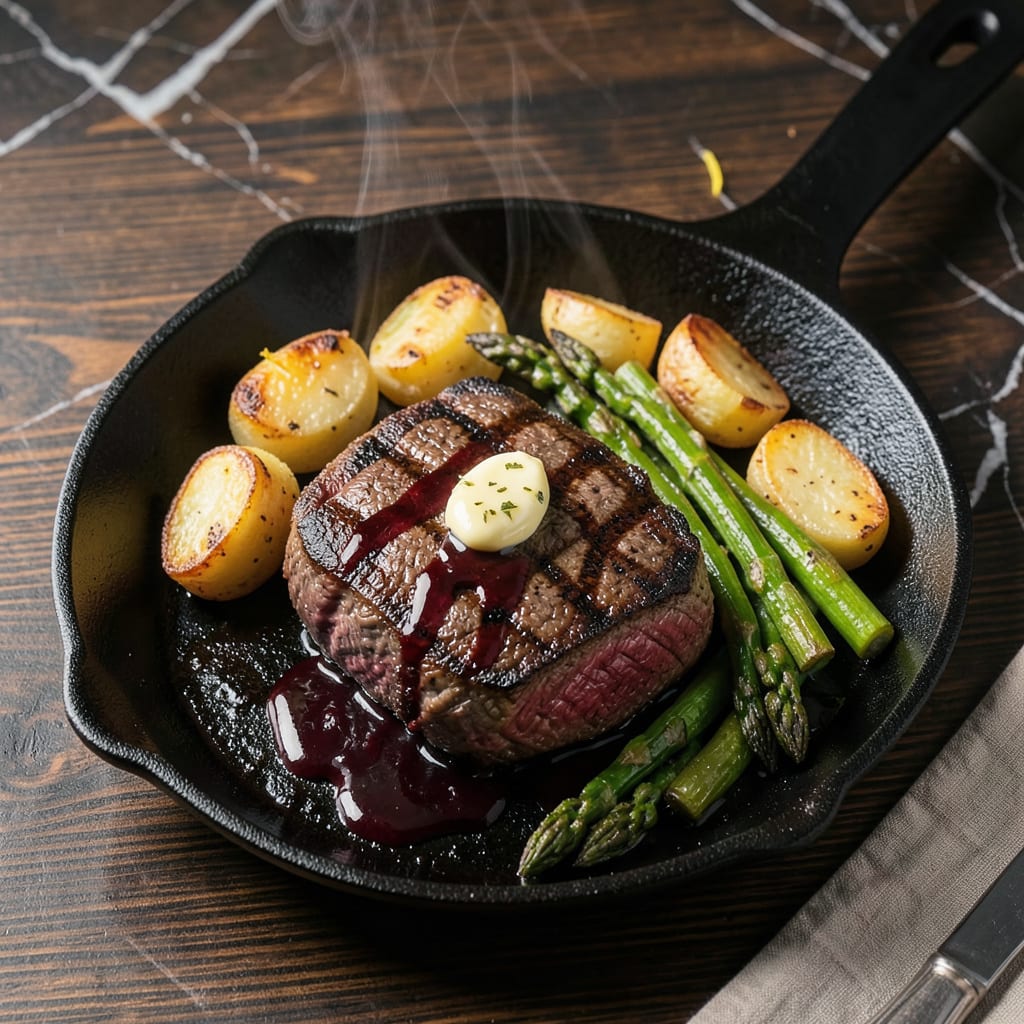
Cooking the perfect scotch fillet steak at home is simpler than you might think—it comes down to technique, not luck. After years of experimenting with heat levels and timing, I’ve developed a method that delivers juicy, restaurant-quality results every time. The key lies in understanding how this particular cut responds to heat and proper resting.
This recipe focuses on achieving that ideal balance between a deeply caramelized crust and tender, rosy interior. I recommend using a heavy cast-iron skillet and a reliable meat thermometer for precision. The preparation is straightforward: season generously, let the steak come to room temperature, and cook with confidence. You’ll be surprised how professional results can come from simple ingredients.
The secret to success is controlling the cooking environment. Start with a screaming hot pan to develop that perfect sear, then finish with butter basting for added richness. Pay attention to the internal temperature—130°F for medium-rare is ideal for this cut. What you’ll end up with is a steak that rivals your favorite steakhouse, complete with that coveted crust and melt-in-your-mouth texture.
Serve this scotch fillet with classic pairings like creamy mashed potatoes or a simple green salad. The beauty of this method is its reliability—once you master the technique, you’ll never settle for mediocre steak again. Let’s begin with the essentials for achieving steakhouse-quality results in your own kitchen.
📚 In This Guide
- What You’ll Need
- Instructions
- Tips and Common Mistakes
What Youll Need
- ● Steak: 1–2 scotch fillet (ribeye) steaks (1–1.5 inches thick, ~12–16 oz each, room temperature)
- ● Seasoning: 1 tbsp coarse kosher salt + 1 tsp freshly ground black pepper (adjust to taste)
- ● Oil: 1–2 tbsp high-smoke-point oil (avocado, grapeseed, or refined vegetable oil)
- ○ Butter: 2 tbsp unsalted butter (for basting, optional but highly recommended)
- ○ Garlic & Herbs: 2 garlic cloves (crushed) + 2 sprigs fresh rosemary/thyme (optional for aroma)
- ● Heavy skillet: 10–12″ cast-iron or stainless steel pan (oven-safe if finishing in oven)
- ● Tongs: Long-handled metal tongs (avoid forks—they pierce the meat!)
- ● Meat thermometer: Instant-read for precision (target: 125–130°F for medium-rare)
- ● Resting surface: Wire rack or warm plate (to keep steak dry while resting)
- ○ Optional: Basting spoon (for butter garlic drizzle) or blowtorch (for a crusty sear)
Step-by-Step Instructions for Scotch Fillet Steak
Here’s how to transform this premium cut into a perfectly seared, juicy masterpiece every time.
Prepare the Steak for Optimal Cooking
Begin by patting the scotch fillet completely dry with paper towels. This step is crucial—excess moisture creates steam instead of a proper sear. Pay special attention to the fat cap and any crevices where moisture might hide.
Let the steak rest at room temperature for 30-45 minutes before cooking. This ensures even cooking throughout the thickness. While it rests, season aggressively with kosher salt on all sides—don’t be shy. The salt will penetrate the surface, enhancing flavor and helping to form that perfect crust.
Preheat Your Pan to the Perfect Temperature
Place a heavy-bottomed skillet (cast iron works best) over medium-high heat until it’s screaming hot. You’ll know it’s ready when a drop of water dances across the surface and evaporates instantly. Add just enough high-smoke-point oil to lightly coat the bottom—about 1 tablespoon.
Watch for the oil to shimmer and just begin to smoke. This is your visual cue that the pan is at the ideal temperature for searing. If the oil smokes excessively, your heat is too high—reduce it slightly to prevent burning the exterior before the interior cooks through.
Sear and Develop the Crust
Lay the steak in the pan away from you to avoid oil splatter. Press down gently with a spatula for the first 10 seconds to ensure full contact with the pan. Then resist the urge to move it—let it sear undisturbed for 2-3 minutes until a deep golden crust forms.
You’ll see the edges begin to caramelize and pull away from the pan. Flip the steak using tongs (never a fork, which pierces the meat) and sear the other side for another 2-3 minutes. For medium-rare, aim for an internal temperature of 130-135°F—use an instant-read thermometer for precision.
Baste with Butter for Extra Flavor
Reduce heat to medium and add 2 tablespoons butter, crushed garlic cloves, and fresh herb sprigs to the pan. Tilt the pan slightly and spoon the foaming butter continuously over the steak for 1-2 minutes. This basting technique adds incredible flavor and helps cook the sides.
For the final touch, sear the fat cap by holding the steak upright with tongs for 30 seconds on each side. The butter should turn a rich golden brown—remove the pan from heat immediately if it starts to blacken to prevent bitterness.
Rest and Slice for Maximum Juiciness
Transfer the steak to a cutting board and let it rest uncovered for 5-10 minutes. This crucial step allows the juices to redistribute throughout the meat. If you cut too soon, all those delicious juices will spill out onto the board instead of staying in the steak.
Slice against the grain into ½-inch thick pieces. You’ll notice the interior should be rosy pink with a perfectly browned exterior. Serve immediately while still warm—the texture should be tender with just the right amount of resistance, and each bite should release juices onto your palate.
Tips and Common Mistakes
Mastering this cut comes down to understanding a few key details that separate good from extraordinary.
Temperature Precision: The 30-45 minutes of resting at room temperature in Step 1 isn’t optional—it’s what ensures even cooking from edge to center. I’ve ruined steaks by rushing this step, only to end up with a perfectly cooked exterior and a cool, underdone center. Use this time to prepare your sides and get your pan screaming hot.
Searing Technique: In Step 3, when you press the steak for those first 10 seconds, you’re ensuring maximum contact with the pan. This creates that coveted crust. Don’t skip this—it’s the difference between a steak that sticks and tears versus one that develops a perfect sear. The 2-3 minutes per side is your window for developing the Maillard reaction without overcooking.
Basting Wisdom: During the 1-2 minutes of butter basting in Step 4, keep that butter moving constantly. Let it pool in the pan and it will burn, leaving bitter flavors. Tilt the pan toward you and spoon aggressively—this isn’t just about flavor, it’s about gently cooking the sides of the steak that don’t touch the pan.
Resting Discipline: Those 5-10 minutes of resting in Step 5 might feel like torture when you’re hungry, but cutting too soon means losing up to 40% of the juices onto your cutting board. I set a timer to resist the urge. The steak will actually continue cooking internally during this time, rising about 5°F—factor this into your timing.
Pro Tips for Cook Scotch Fillet Steak
- Mastering this cut comes down to understanding a few key details that separate good from extraordinary.
- Temperature Precision: The 30-45 minutes of resting at room temperature in Step 1 isn’t optional—it’s what ensures ev…
- Searing Technique: In Step 3, when you press the steak for those first 10 seconds, you’re ensuring maximum contact wi…
Frequently Asked Questions
How long should I cook scotch fillet steak for medium-rare?
Aim for 3-4 minutes per side over high heat for a 1.5-inch-thick steak. Use a meat thermometer to check—130–135°F (54–57°C) is perfect for medium-rare. Rest for 5–10 minutes before slicing to lock in juices!
Can I cook scotch fillet in an air fryer?
Preheat the air fryer to 400°F (200°C), cook for 6–8 minutes (flip halfway), then sear in a hot pan for 1 minute per side for a crispy crust. Works great for thinner cuts!
Why is my scotch fillet tough or chewy?
Overcooking or slicing too soon is usually the culprit. Cook to medium-rare max (140°F/60°C) and always rest the steak. Also, cut against the grain to shorten muscle fibers for tenderness.
What’s the best alternative if I can’t find scotch fillet?
Try ribeye (more marbling) or strip loin (leaner but flavorful). For budget-friendly options, flat iron steak or sirloin work well—just adjust cook time for thickness.
Do I need to marinate scotch fillet steak?
Not necessary! This cut is naturally tender and flavorful. A simple salt, pepper, and olive oil rub is enough. For extra flavor, add garlic or rosemary while cooking—no overnight soak needed.
Mastering how to cook scotch fillet steak is all about balance—high heat, perfect timing, and a little patience. With these simple steps, you’re now ready to serve up a tender, flavor-packed steak that rivals your favorite steakhouse! 🥩✨
Ready to impress? Grab a fresh cut, fire up the pan, and put your new skills to the test. Don’t forget to pair it with your favorite sides—maybe roasted garlic mashed potatoes or a crisp salad—and enjoy the delicious results!

Trained in classic French technique but raised on slow-cooked ribs and spicy rubs, she blends culinary skill with smoke and soul.
- Recipe for Boneless Cross Rib Roast: Slow-Roasted Beef with Herb Crust - October 3, 2026
- Hamburgers in Sauce Recipe Crock Pot: Slow-Cooked Savory Delight - October 3, 2026
- Sanjeev Kapoor Egg Biryani Recipe: Fragrant Spiced Rice With Boiled Eggs - October 3, 2026