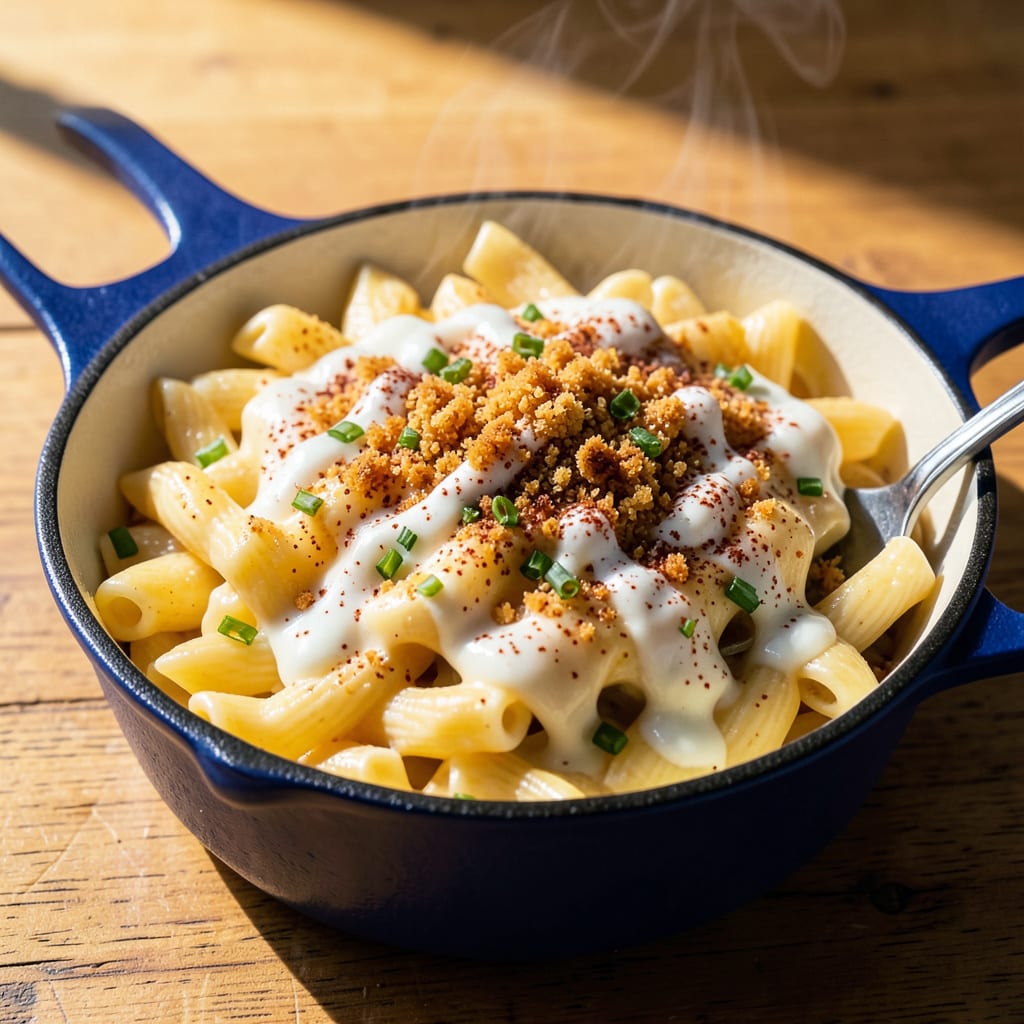
Nothing ruins comfort food faster than grainy mac and cheese—except maybe knowing it’s an easy fix. I’ve been there, stirring frantically as my sauce turned from creamy to curdled right before my eyes. The good news? You don’t need to start over or settle for subpar results. With a few simple techniques, that lumpy disaster can transform into velvety perfection in minutes.
Most grainy mac and cheese comes down to three culprits: overheated cheese, rushed roux, or pre-shredded cheese (that anti-caking powder is your enemy). The fix starts with temperature control—cheese melts best between 140-160°F, not boiling. I learned this the hard way after ruining three batches before realizing my stove ran hotter than I thought.
Here’s what actually works: pull the pot off heat when adding cheese, whisk in small handfuls, and finish with a splash of warm milk if needed. For severely broken sauce, blend in 1 tbsp of cream cheese—it’s the secret emulsifier that brings everything back together. These aren’t just quick fixes; they’re professional techniques that’ll save your dinner.
Best part? You’ll walk away with the knowledge to prevent this next time. No more wasted ingredients or disappointing meals—just perfectly smooth mac and cheese every time. Let’s turn that grainy mess into creamy gold.
📚 In This Guide
- What You’ll Need
- Instructions
- Tips and Common Mistakes
What Youll Need
- ● Mac and cheese base: 1 batch of your pre-made grainy mac and cheese (about 4 cups) 🧀
- ● Liquid fixers: ½ cup whole milk (or heavy cream for extra richness)
- ● ¼ cup unsalted butter (1 stick, softened)
- ○ 2 tbsp cream cheese (optional, for ultra-creaminess)
- ● Cheese boost: 1 cup freshly grated sharp cheddar, Gruyère, or Monterey Jack (avoid pre-shredded—it’s coated in anti-caking agents!)
- ● Tools: Medium saucepan (non-stick preferred)
- ● Whisk or wooden spoon
- ● Fine-mesh strainer (if dealing with lumps)
- ● Cheese grater (for fresh cheese)
- ○ Optional upgrades: 1 tsp Dijon mustard (balances richness)
- ● Pinch of nutmeg or garlic powder (for depth)
- ● 1 tbsp sodium citrate (for pro-level smoothness—find it in specialty stores or online)
Instructions
Here’s exactly how to transform that disappointing grainy texture into creamy perfection—no special equipment needed.
Identify the Problem and Stop Cooking
First, take the pot off the heat immediately. Graininess in mac and cheese almost always happens because the cheese proteins have overcooked and separated. The longer it stays hot, the worse it gets. I’ve made this mistake more times than I’d like to admit—it’s an easy fix if you catch it early.
Look at your sauce: if it’s not just grainy but actually curdled (with visible cheese clumps), we’ll need a slightly different approach. But for standard graininess where the sauce looks thick and sandy rather than smooth, this method works every time. Don’t panic—this is completely salvageable.
Add Liquid Gradually While Whisking
Pour in 2-3 tablespoons of warm milk or cream while whisking vigorously over low heat. The key here is warmth and gradual incorporation—cold liquid can shock the sauce and make things worse. I keep my milk in a small bowl in the microwave for 30 seconds to take the chill off before adding.
Whisk in a figure-eight motion, scraping the bottom of the pot to incorporate any stuck cheese. You’ll see the sauce start to loosen and smooth out within 1-2 minutes. If it’s still grainy after the first addition, add another 1-2 tablespoons and repeat. The sauce should coat the back of a spoon but still drizzle easily.
Create an Emulsion with Fat
Now add 1 tablespoon of unsalted butter and whisk until fully melted. The butter acts as an emulsifier, helping the cheese fats and liquids recombine smoothly. If you don’t have butter, a splash of heavy cream works too—just avoid anything with high water content like regular milk at this stage.
Here’s the thing—this step might seem counterintuitive when you’re dealing with a sauce that’s already too thick, but trust me. The fat helps redistribute the cheese proteins evenly. Keep the heat on low and whisk constantly for about 2 minutes until the sauce develops a velvety sheen.
Adjust Consistency and Seasoning
At this point, your sauce should be smooth but might need seasoning adjustment. Taste and add salt in small pinches—grainy cheese often tastes blander because the proteins have clumped together. I usually need about ¼ teaspoon to bring the flavors back into balance.
If the sauce is still thicker than you’d like, whisk in more warm milk 1 tablespoon at a time until it reaches your ideal consistency. Remember that it will thicken slightly as it cools, so aim for it to coat the pasta but still flow easily. The pasta should glide through the sauce, not sit in a thick paste.
Reincorporate the Pasta
Add your cooked pasta back into the sauce and fold gently with a silicone spatula. The starch from the pasta will help stabilize the sauce further. If you’re adding any mix-ins like cooked bacon or vegetables, now’s the time to fold those in too.
Let everything sit together off the heat for 2-3 minutes before serving. This resting time allows the sauce to fully coat each piece of pasta. Give it one final stir, and you’ll have that creamy, dreamy mac and cheese you were aiming for—no one will ever know there was a problem!
Tips and Common Mistakes
Fixing grainy mac and cheese is all about understanding the science and working with it. Here’s what I’ve learned from rescuing countless batches.
Temperature Control: The moment you notice graininess, remove the pot from heat immediately as directed in Step 1. Heat is what causes cheese proteins to separate in the first place, and every extra second on the burner makes the problem worse. I’ve found that working quickly at this stage prevents the sauce from breaking further. Keep the heat at low throughout the entire process—this gentle temperature gives you more control over the emulsion.
Liquid Temperature Matters: When adding milk or cream in Step 2, make sure it’s properly warmed for exactly 30 seconds as specified. Cold liquid can shock the sauce and actually make the graininess worse. I keep a small bowl of milk in the microwave while I’m working so it’s ready at the perfect temperature when I need it. The gradual incorporation at this stage is what creates that smooth, velvety texture we’re after.
Fat Emulsion Technique: Don’t skip the butter in Step 3—this is where the magic happens. The fat acts as a bridge between the separated cheese proteins and liquids. Whisk constantly for the full 2 minutes until you see that telltale velvety sheen develop. I’ve tried shortcuts here, and the sauce always suffers. The constant motion helps redistribute everything evenly throughout the sauce.
Consistency Check: In Step 4, remember that the sauce will thicken slightly as it cools. Aim for a consistency that coats the back of a spoon but still drizzles easily when you tilt it. I like to test this by dipping a spoon in the sauce, then running my finger through it—if the trail holds for a second before filling in, you’ve got the perfect consistency. This ensures your pasta will be perfectly coated without being swimming in sauce.
Pro Tips for Fix Grainy Mac And Cheese
- Fixing grainy mac and cheese is all about understanding the science and working with it. Here’s what I’ve learned fro…
- Temperature Control: The moment you notice graininess, remove the pot from heat immediately as directed in Step 1. He…
- Liquid Temperature Matters: When adding milk or cream in Step 2, make sure it’s properly warmed for exactly 30 second…
Frequently Asked Questions
Why does my mac and cheese turn grainy in the first place?
Graininess usually happens when the cheese sauce breaks—meaning the fats and liquids separate. Common culprits: overheating the sauce, using pre-shredded cheese (it has anti-caking agents!), or adding cheese too quickly. Low-fat cheese or acidic ingredients (like wine or mustard) can also cause clumping. Stir gently and keep heat low to avoid this!
Can I fix grainy mac and cheese after it’s already made?
Try whisking in 1–2 tbsp of warm milk or cream off the heat until smooth. If that fails, blend in 1 tsp of cornstarch or sodium citrate (a chef’s secret!) with a splash of liquid. Reheat slowly, stirring constantly. Avoid boiling—it’ll make things worse!
What’s the best cheese for creamy (not grainy) mac and cheese?
Skip the pre-shredded stuff! Opt for block cheeses like sharp cheddar, Monterey Jack, or Gruyère. Mixing cheeses (e.g., cheddar + American) adds creaminess. Pro tip: Grate cheese fresh—it melts smoother. Avoid low-fat cheeses; their lack of fat makes sauces gritty.
How do I prevent grainy mac and cheese when using a slow cooker?
Slow cookers can overheat dairy. Add cheese last—stir it in during the final 15–30 minutes on low. Use an extra splash of liquid (like evaporated milk) and whisk vigorously. If possible, finish the sauce on the stovetop for better control.
Can I use an immersion blender to fix grainy mac and cheese?
Yes, but carefully! Pulse the blender off-heat for 5–10 seconds to emulsify the sauce. Avoid over-blending—it can make the texture gummy. If the sauce is very broken, strain it first, then blend with a bit of warm milk for a fresh start.
Say goodbye to grainy mac and cheese for good! 🧀✨ The secret lies in low-and-slow melting, the right cheese combo, and a splash of acid or starch to stabilize your sauce. With these simple fixes, you’ll transform clumpy disasters into creamy, dreamy comfort food every time.
Ready to put your new skills to the test? Grab that whisk and try a small batch tonight—your taste buds (and dinner guests) will thank you! For extra inspiration, check out our favorite mac and cheese variations next.

Trained in classic French technique but raised on slow-cooked ribs and spicy rubs, she blends culinary skill with smoke and soul.
- Recipe for Boneless Pork Chops in Cast Iron Skillet: Sear and Baste to Juicy Perfection - October 3, 2026
- Recipe for Boneless Cross Rib Roast: Slow-Roasted Beef with Herb Crust - October 3, 2026
- Hamburgers in Sauce Recipe Crock Pot: Slow-Cooked Savory Delight - October 3, 2026