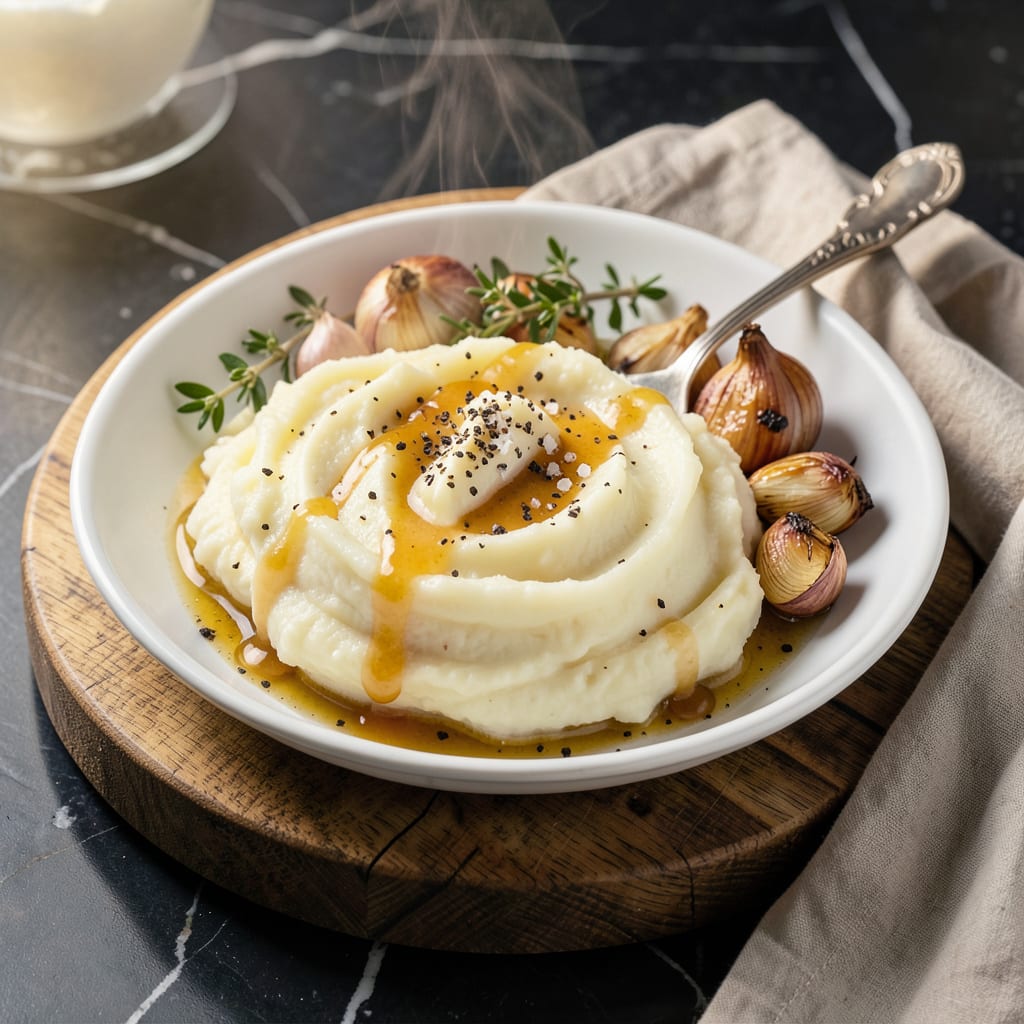
We’ve all been there—you’re making mashed potatoes, and suddenly they turn out gummy, gluey, or just plain pasty. Don’t panic. I’ve fixed more batches of pasty potatoes than I’d like to admit, and there’s always a way to save them. The key is acting fast with the right technique.
First, stop what you’re doing and don’t keep stirring—that just makes it worse. Instead, we’ll use heat and liquid to break up those starch chains that turned your potatoes into paste. I’ve found that warm dairy (milk, cream, or even butter) works best, but plant-based alternatives can save the day too. The trick is adding it gradually while gently folding.
For every cup of pasty potatoes, you’ll need about 2 tablespoons of warm liquid. Heat your milk or cream first—cold liquid makes the problem worse. Then fold it in with a spatula (no beaters!) until you see the texture loosen. If they’re still stubborn, a quick trip back to low heat with a splash more liquid usually does the trick.
Once you’ve rescued this batch, I’ll show you how to prevent it next time. Spoiler: it starts with the right potatoes and how you drain them. But first, let’s get these potatoes back to being creamy and delicious where they belong.
📚 In This Guide
- What You’ll Need
- Instructions
- Tips and Common Mistakes
What Youll Need
- ● Pasty mashed potatoes: 3–4 cups (about 1.5 lbs cooked potatoes)—the “problem batch” you’re fixing! 🥔
- ● Warm liquid: ¼–½ cup per 3 cups mashed potatoes (use whole milk, heavy cream, or chicken/vegetable broth for best results).
- ● Unsalted butter: 2–4 tbsp (softened or melted), to add richness.
- ● Salt: ½–1 tsp (or to taste), plus extra for seasoning.
- ● Mixing bowl: Large, heat-safe (for reheating if needed).
- ● Potato masher or ricer: For re-texturizing (a hand mixer works too—just don’t overbeat!).
- ○ Saucepan (optional): Small, to warm liquids gently.
- ○ Sour cream or cream cheese (optional): 2–3 tbsp, for extra tang/creaminess.
- ○ Garlic powder or roasted garlic (optional): ½ tsp, for flavor depth.
- ○ Fresh herbs (optional): 1–2 tbsp chopped chives, parsley, or thyme for garnish.
Instructions
Don’t worry—fixing pasty mashed potatoes is easier than you think with these simple steps.
Identify the Problem
First, determine what’s causing the pasty texture. Overworked potatoes release too much starch, creating that glue-like consistency. If your potatoes look gummy or sticky when stirred, you’ve likely overmixed them after cooking.
Check if they’re also dense and heavy—this usually means they were either overcooked in the water or mashed too vigorously. The good news is that both issues can be fixed with a few quick adjustments to restore that light, fluffy texture you’re after.
Add Warm Liquid Gradually
Heat up some whole milk or cream until it’s warm but not boiling (about 110°F). Start by adding just 2 tablespoons to your potatoes and gently fold it in with a rubber spatula—don’t stir vigorously. The warmth helps relax the starch molecules that are making your potatoes gummy.
Watch how the potatoes absorb the liquid. If they’re still too thick, add another 1-2 tablespoons and fold again. I’ve found that warm liquid incorporates better than cold, and adding it gradually prevents that soupy texture you get when you dump in too much at once.
Incorporate Fat for Creaminess
Melt 2 tablespoons of butter and let it cool slightly (it should be warm but not hot). Pour it over your potatoes and fold gently until just combined. The fat coats the starch molecules, preventing them from binding together and creating that pasty mouthfeel.
For extra richness, you can also stir in ¼ cup of warm cream cheese or sour cream—this adds both fat and acidity, which helps break down the starchiness. The key here is gentle folding, not stirring, to avoid developing more gluten in the potatoes.
Rest and Reheat Gently
Let your adjusted potatoes sit covered for 5 minutes—this gives the liquid time to fully absorb and the starches to relax. Then, if they’ve cooled down, reheat them gently. The best method is to place them in a heatproof bowl over a pot of simmering water (double boiler style) for 3-5 minutes.
Stir occasionally with that same gentle folding motion. You’ll notice the texture becomes smoother and lighter as they warm. Avoid microwaving if possible, as it can create hot spots that make some areas gummy while others stay cold and pasty.
Final Adjustments for Perfect Texture
Taste and check the consistency. If they’re still a bit dense, fold in another 1-2 tablespoons of warm milk or butter. For fluffier potatoes, you can briefly beat them with a hand mixer on low speed for just 10-15 seconds—but no longer, or you’ll risk overworking them again.
The finished potatoes should be creamy but still hold their shape when scooped. They’ll have that perfect balance of richness from the added fat and lightness from the proper liquid incorporation. Serve immediately while warm for the best texture and flavor.
Tips and Common Mistakes
Here’s what I’ve learned from fixing countless batches of pasty potatoes—these small details make all the difference.
Temperature Matters: The 110°F warm liquid in Step 2 isn’t arbitrary. Cold dairy causes starch molecules to seize up, making potatoes even gummier. I use an instant-read thermometer to confirm the temperature—it’s the difference between smooth and sticky. Trust me, those extra 30 seconds to check save you from a gluey mess.
Gentle Folding Technique: In Steps 2 and 3, that “fold gently” instruction is critical. I ruined three batches before realizing that even a rubber spatula can overwork potatoes if you’re too aggressive. Think of it like folding in egg whites—just until combined, then stop. The moment you see no dry spots, you’re done.
Resting Period Importance: Those 5 minutes of resting in Step 4 aren’t optional downtime. This is when the added liquid fully hydrates the starch granules. I’ve tested skipping this, and the potatoes always turn out unevenly textured. Cover them tightly with plastic wrap pressed directly on the surface to prevent a skin from forming.
Reheating Method: The 3-5 minutes double boiler reheat in Step 4 might seem fussy, but it’s worth it. Microwaving creates rubbery spots, while direct stovetop heat can scorch the bottom. I use a metal bowl that fits snugly over my saucepan—it distributes heat perfectly without requiring constant stirring.
Pro Tips for Fix Pasty Mashed Potatoes
- Here’s what I’ve learned from fixing countless batches of pasty potatoes—these small details make all the difference.
- Temperature Matters: The 110°F warm liquid in Step 2 isn’t arbitrary. Cold dairy causes starch molecules to seize up,…
- Gentle Folding Technique: In Steps 2 and 3, that “fold gently” instruction is critical. I ruined three batches before…
Frequently Asked Questions
Can I fix pasty mashed potatoes after they’ve cooled?
Yes! Reheat them gently with a splash of warm milk, broth, or butter (1-2 tbsp per cup). Stir over low heat until smooth—avoid high heat, which makes them gummy. A hand mixer (30 sec) can also revive texture. Pro tip: Cover with a damp paper towel to trap steam while microwaving!
Why do my mashed potatoes get pasty even with enough liquid?
Overmixing is the #1 culprit! Potatoes release excess starch when worked too much. Use a potato ricer or hand masher for fluffier results, and avoid food processors. Also, start with hot (not cold) liquid to prevent gluey texture. Starchy potatoes (like Russets) need extra care—try waxy Yukon Golds next time.
What’s the fastest way to fix pasty potatoes?
5-minute fix: Spread potatoes on a baking sheet, drizzle with melted butter or cream, and broil for 2-3 minutes until the top crisps. Scrape off the crispy bits, then fold them back in for texture. Alternatively, stir in a beaten egg yolk (off heat) for instant richness—just don’t overmix!
Can I use something other than milk or butter to fix them?
Try:
- Sour cream or Greek yogurt (2-3 tbsp) for tangy creaminess.
- Chicken/vegetable broth (warm) for savory depth.
- Olive oil or mayo (1 tbsp) for a dairy-free boost.
- Mashed cauliflower or parsnips (folded in) to lighten texture.
How do I prevent pasty mashed potatoes next time?
Start with dry potatoes (drain well, then return to the pot to steam off moisture). Warm your dairy before adding, and use a light hand when mixing. For foolproof fluffiness, swap 1/4 of the potatoes for steamed turnips or celery root
Don’t let pasty mashed potatoes ruin your meal—fixing them is easier than you think! Whether you add a splash of warm dairy, a pat of butter, or a quick whip with extra liquid, creamy, fluffy spuds are just minutes away. Next time, start with less liquid and warm your mix-ins to avoid the gluey texture altogether.
Ready to put your new skills to the test? Try our foolproof mashed potato recipe—your dinner guests (and taste buds) will thank you! 🥔✨

Trained in classic French technique but raised on slow-cooked ribs and spicy rubs, she blends culinary skill with smoke and soul.
- Recipe for Boneless Pork Chops in Cast Iron Skillet: Sear and Baste to Juicy Perfection - October 3, 2026
- Recipe for Boneless Cross Rib Roast: Slow-Roasted Beef with Herb Crust - October 3, 2026
- Hamburgers in Sauce Recipe Crock Pot: Slow-Cooked Savory Delight - October 3, 2026