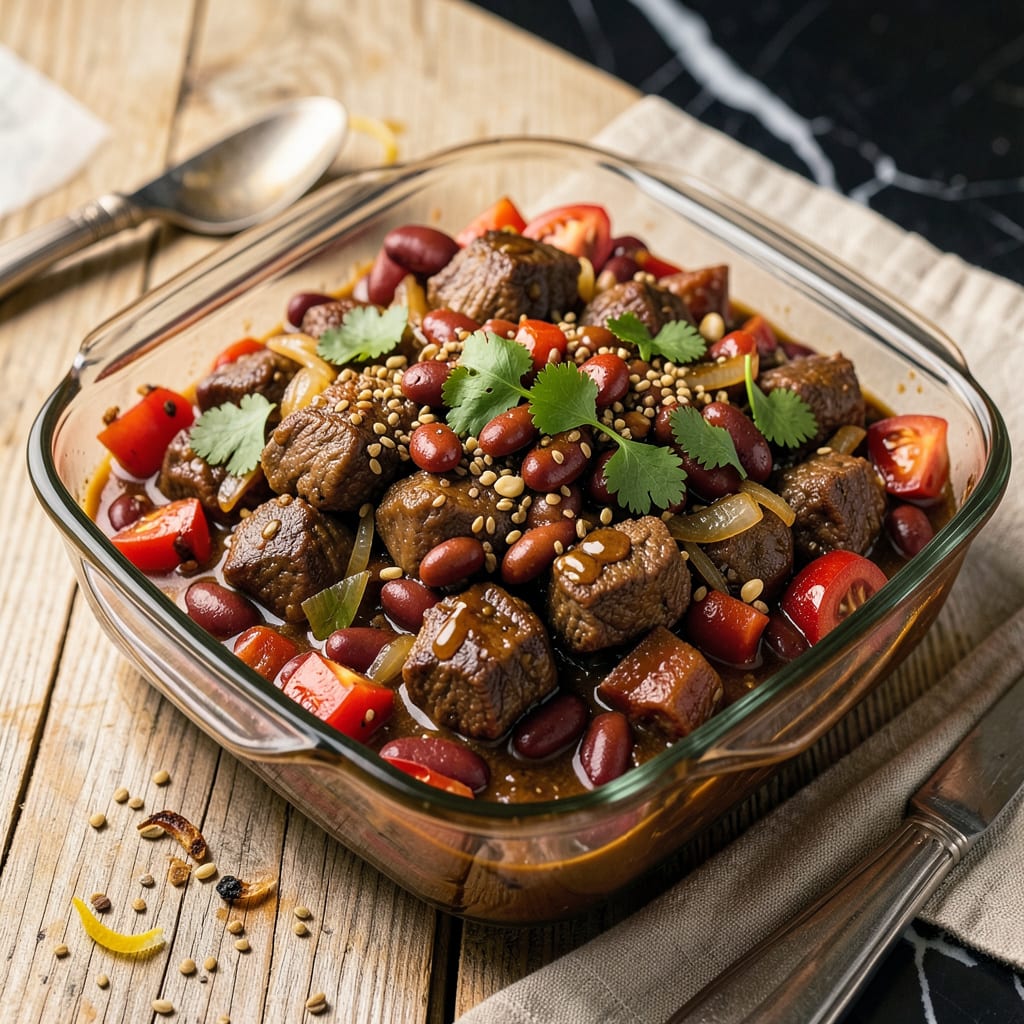
I’ll be real with you: freezing chilli properly is the difference between a sad, watery mess and a flavor bomb that tastes fresh months later. After ruining more batches than I’d like to admit by just tossing them in the freezer, I finally cracked the code for keeping that fiery kick and vibrant color intact.
The secret starts with cooling your chilli completely before freezing—this prevents ice crystals from forming and ruining the texture. I’ve found that portioning into ice cube trays first (then transferring to bags) gives you perfect single-serving sizes. For thicker pastes or sauces, spreading a thin layer on parchment before freezing makes it easy to break off exactly what you need later.
Storage matters too. Airtight containers or heavy-duty freezer bags work best, but here’s the thing—squeeze out every bit of air before sealing. I’ve kept my chilli perfect for up to 6 months this way. The real test comes when you thaw it: always do it slowly in the fridge to maintain that fresh-made texture and potency.
Fair warning: fermented chilli pastes freeze differently than fresh blends. Those need a bit of vinegar or oil stirred in after thawing to revive the consistency. Whether you’re saving homemade hot sauce or that amazing salsa verde, this method keeps the heat and flavor exactly as you made it.
📚 In This Guide
- What You’ll Need
- Instructions
- Tips and Common Mistakes
What Youll Need
- ● Fresh or dried chillies – As many as you’d like to freeze (whole, sliced, or chopped).
- ● Freezer-safe containers or bags – Airtight quart-sized (32 oz) or gallon-sized (128 oz) options work best. Pro tip: Use vacuum-seal bags for extra freshness!
- ○ Parchment paper or baking sheet – For pre-freezing (optional but helpful for loose chillies).
- ● Knife & cutting board – A sharp chef’s knife for slicing (if prepping before freezing).
- ● Gloves – Highly recommended (especially for hot varieties like habaneros or ghost peppers) to avoid skin irritation. 🧤
- ● Permanent marker or labels – To date and name your stash (trust us, you’ll forget!).
- ○ Olive oil or water – Optional, for making chilli paste or ice cube trays.
- ○ Ice cube trays – Optional, for portioning chilli purée or minced chillies.
- ○ Blender or food processor – Optional, if making a purée or paste before freezing.
Instructions for Freezing Chilli
Follow these simple steps to lock in that delicious chilli flavor for months to come—it’s easier than you think!
Cool Your Chilli Completely
Before freezing, let your chilli cool to room temperature. I like to spread it out in a wide, shallow container to speed up the cooling process. This prevents ice crystals from forming too quickly, which can ruin the texture of your beans and meat.
Never put hot chilli directly into the freezer—this raises the freezer temperature and can partially cook nearby foods. I usually let mine sit on the counter for about 30 minutes, then transfer it to the fridge for another 30-60 minutes to finish cooling completely.
Choose the Right Freezing Containers
Select airtight containers or heavy-duty freezer bags for storing your chilli. I prefer freezer bags because they save space and let you lay them flat for quick freezing. If using containers, leave about 1 inch of headspace at the top to allow for expansion during freezing.
For portion control, I like to freeze chilli in 1-2 cup servings—perfect for single meals or quick lunches. Label each container with the date and contents using freezer tape. This simple step prevents freezer mystery meals and helps you use your chilli while it’s at peak quality.
Package for Maximum Freshness
If using freezer bags, spoon the cooled chilli into the bag and squeeze out as much air as possible before sealing. I like to lay the bags flat on a baking sheet to freeze initially—this creates neat, stackable portions that thaw quickly.
For containers, press plastic wrap directly onto the surface of the chilli before sealing the lid. This extra barrier prevents freezer burn and preserves flavor. Whether using bags or containers, make sure the seal is tight and secure to keep air out.
Freeze at Optimal Temperature
Place your packaged chilli in the coldest part of your freezer, typically the back or bottom shelf. Set your freezer to 0°F or lower for best results. The faster your chilli freezes, the better it will maintain its texture and flavor.
Your chilli will keep its best quality for 3-4 months, though it remains safe to eat for up to 6 months. I like to use mine within the first 3 months for that just-made flavor. When you’re ready to enjoy it, simply thaw overnight in the refrigerator or reheat directly from frozen.
Thaw and Reheat Properly
To thaw, transfer your chilli from the freezer to the refrigerator and let it defrost overnight. This slow thawing preserves the texture better than quick methods. If you’re in a hurry, you can reheat frozen chilli directly in a saucepan over low heat.
When reheating, add a splash of water or broth to compensate for any moisture lost during freezing. Stir occasionally and heat until it reaches 165°F throughout. You’ll be amazed at how fresh and flavorful your chilli tastes, even after months in the freezer!
Tips and Common Mistakes for Perfectly Frozen Chilli
Freezing chilli is simple, but these key details will ensure you get restaurant-quality results every time you thaw.
Cooling Technique: The 30-minute counter cooling followed by 30-60 minutes in the fridge isn’t just about safety—it’s about texture! Rapid cooling prevents beans from turning mealy and meat from getting tough. I spread my chilli in a thin layer on a baking sheet to maximize surface area for faster, more even cooling. This makes all the difference when you reheat months later.
Portioning Strategy: Those 1-2 cup servings mentioned in Step 2 are game-changers for busy weeks. I use a measuring cup to portion directly into bags while the chilli is still warm (but not hot) – it slides right out when frozen. Flat, uniform portions stack neatly and thaw evenly, saving you freezer space and reheating time.
Freezer Organization: Here’s what nobody tells you—your freezer has temperature zones! The back and bottom shelves (where you should place your chilli) can be 5-10°F colder than the door. At that perfect 0°F, your chilli freezes faster, preserving flavor and preventing ice crystals. I rotate my chilli to the front after it’s fully frozen to make room for new batches.
Reheating Secret: When reheating from frozen over low heat, don’t rush the process. That 165°F target temperature isn’t just for safety—it’s the sweet spot where flavors reawaken. I add my liquid (water or broth) in two stages: half at the start to prevent sticking, and half halfway through to restore that just-made consistency. Stirring occasionally prevents scorching and ensures even heating.
Pro Tips for Freeze Chilli
- Freezing chilli is simple, but these key details will ensure you get restaurant-quality results every time you thaw.
- Cooling Technique: The 30-minute counter cooling followed by 30-60 minutes in the fridge isn’t just about safety—it’s…
- Portioning Strategy: Those 1-2 cup servings mentioned in Step 2 are game-changers for busy weeks. I use a measuring c…
Frequently Asked Questions
Can I freeze chilli with beans or meat in it?
Freezing chilli with beans or meat works perfectly—just ensure it’s fully cooled first. The texture of beans may soften slightly after thawing, but the flavor stays intact. For meat, lean cuts (like ground beef or turkey) freeze better than fatty ones to avoid greasiness.
How long does frozen chilli last in the freezer?
When stored properly in airtight containers or freezer bags, chilli stays fresh for 3–4 months at peak quality. After that, it’s still safe to eat but may lose some flavor or texture. Label containers with the date to track freshness!
Do I need to blanch chillies before freezing them whole?
Nope! Whole chillies (like jalapeños or habaneros) freeze well without blanching. Simply wash, dry, and pop them into a freezer bag. For easier use later, slice or chop them before freezing—no prep needed for whole peppers.
Why does my chilli taste bland after freezing?
Freezing can dull spices over time. To fix this, revive thawed chilli with a splash of broth, a pinch of fresh spices (like cumin or smoked paprika), or a squeeze of lime. Avoid over-salting before freezing—adjust seasoning after reheating.
Can I freeze chilli in glass jars?
Yes, but with caution! Use wide-mouth, tempered glass jars (like mason jars) and leave 1–2 inches of headspace for expansion. Avoid sealing lids tightly until fully frozen to prevent cracks. Plastic or silicone containers are safer for long-term storage.
Freezing chilli is a game-changer for meal prep and reducing food waste! 🌶️ By following these simple steps—whether you’re storing whole peppers, diced bits, or homemade chilli—you can lock in freshness and spice for up to 12 months. No more last-minute grocery runs or sad, wilted peppers!
Ready to put your frozen stash to use? Try adding a handful to soups, stews, or marinades for an instant flavor boost. Or, if you’re feeling adventurous, experiment with new recipes that make the most of your preserved chillies. Happy cooking—and freezing! ❄️

Trained in classic French technique but raised on slow-cooked ribs and spicy rubs, she blends culinary skill with smoke and soul.
- Recipe for Boneless Pork Chops in Cast Iron Skillet: Sear and Baste to Juicy Perfection - October 3, 2026
- Recipe for Boneless Cross Rib Roast: Slow-Roasted Beef with Herb Crust - October 3, 2026
- Hamburgers in Sauce Recipe Crock Pot: Slow-Cooked Savory Delight - October 3, 2026