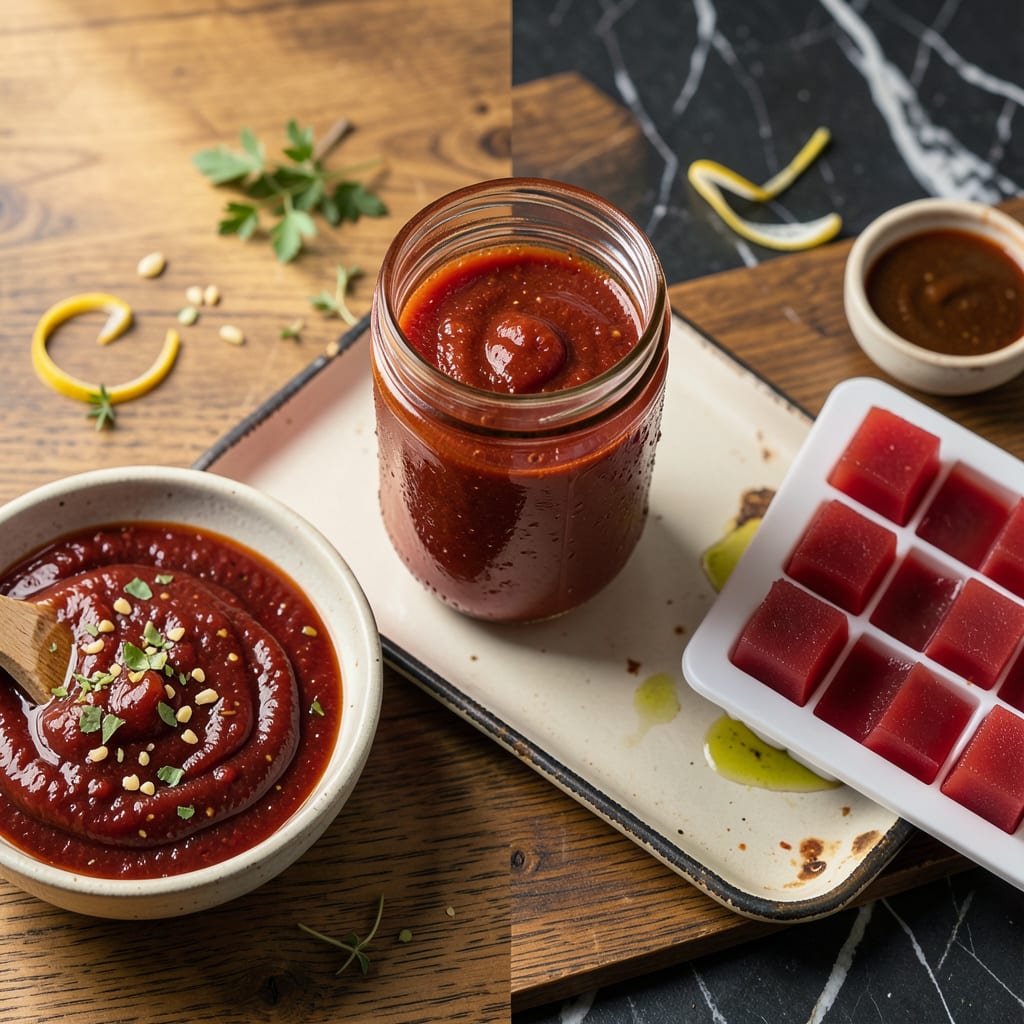
Preserving homemade pizza sauce properly makes the difference between a mediocre pie and one that tastes freshly made. This professional method ensures your sauce retains its vibrant flavor and smooth texture for up to six months without freezer burn or separation. The technique works equally well for classic tomato sauce and specialty varieties like garlic-white sauce or spicy arrabbiata.
The process begins with proper preparation—cooling the sauce completely before freezing prevents ice crystal formation that ruins texture. I recommend using airtight silicone molds or heavy-duty freezer bags (pressed flat) to maximize space and minimize air exposure. Portioning in 1-cup measurements makes thawing exactly what you need effortless.
When stored correctly, your frozen sauce will maintain its original consistency and bright acidity. The key is rapid freezing at 0°F or below and thawing slowly in the refrigerator overnight. This controlled process preserves the sauce’s body and prevents the watery separation that plagues improperly frozen sauces.
This method eliminates waste while keeping homemade pizza night convenient. Whether you’re batch-prepping sauce for meal planning or preserving summer garden tomatoes, these techniques ensure restaurant-quality results every time you reach for that frozen portion.
📚 In This Guide
- What You’ll Need
- Instructions
- Tips and Common Mistakes
What Youll Need
- ● Pizza sauce – 1 to 4 cups (homemade or store-bought, ensure it’s cooled to room temp)
- ● Freezer-safe containers – Airtight glass jars, BPA-free plastic containers, or silicone molds (choose sizes based on your pizza needs—1-cup portions work great!)
- ○ Freezer bags – Quart or gallon-sized, heavy-duty (optional for space-saving storage)
- ● Ladle or measuring cup – For easy, mess-free pouring
- ● Permanent marker or labels – To date and name your sauce (trust us, future-you will thank you!)
- ○ Plastic wrap or parchment paper (optional) – Helps prevent freezer burn if using containers
- ○ Funnel (optional) – For neat transfers into bags or small containers
- ○ Ice cube tray (optional) – Perfect for freezing small batches (1 tbsp per cube) for mini pizzas or dips
Instructions
Follow this professional method to preserve your pizza sauce while maintaining optimal flavor and texture.
Cool the Sauce Completely
Begin by allowing your freshly made or store-bought pizza sauce to cool to room temperature. This critical step prevents ice crystal formation that can compromise texture. I recommend spreading the sauce in a shallow container to accelerate cooling—this increases surface area exposure and reduces cooling time significantly.
Never attempt to freeze warm or hot sauce. The temperature differential creates condensation inside containers, leading to freezer burn and flavor degradation. For large batches, divide into smaller portions before cooling to expedite the process. The ideal temperature for freezing is 40°F or below before transfer to the freezer.
Select Appropriate Freezing Containers
Choose airtight containers specifically designed for freezer storage. I prefer heavy-duty plastic containers with snap-lock lids or wide-mouth glass jars with vacuum seals. For portion control, consider using ice cube trays for small quantities or silicone muffin molds for individual pizza servings.
Leave 1-inch headspace in rigid containers to accommodate expansion during freezing. For freezer bags, squeeze out all excess air before sealing—oxygen exposure is the primary cause of freezer burn. Label each container with the date and contents using freezer-safe markers to maintain organization and track freshness.
Portion and Package for Optimal Storage
Divide the cooled sauce into practical serving sizes based on your typical usage. I recommend 1-cup portions for standard 12-inch pizzas or ½-cup portions for personal-sized pies. This eliminates the need to thaw more sauce than required for a single use.
For flat storage that maximizes freezer space, pour sauce into heavy-duty freezer bags, lay them flat on a baking sheet, and freeze initially in this position. Once solid, the flat packets can be stacked vertically like files. This method also allows for quick thawing when needed—simply submerge the sealed bag in cold water for 20-30 minutes.
Implement Proper Freezing Technique
Place packaged sauce in the coldest part of your freezer, typically the back or bottom shelves. Set your freezer to 0°F or lower for optimal preservation. I recommend using a freezer thermometer to verify temperature accuracy, as many household freezers fluctuate above the ideal range.
Avoid placing containers near the freezer door where temperature variations occur most frequently. For best quality, consume frozen pizza sauce within 3 months, though it remains safe for up to 6 months. Beyond this period, flavor and texture may begin to deteriorate despite remaining safe for consumption.
Thaw and Reheat with Precision
When ready to use, transfer the frozen sauce to the refrigerator for slow thawing overnight. This gradual process maintains the sauce’s original consistency better than rapid thawing methods. For immediate use, place the sealed container in a bowl of cold water, changing the water every 15 minutes until thawed.
Reheat the sauce gently in a saucepan over low to medium heat, stirring frequently to prevent separation. If the consistency appears watery after thawing—a common occurrence due to moisture release during freezing—simmer uncovered for 5-7 minutes to reduce and restore the original thickness. Avoid boiling, as this can cause the sauce to splatter and develop a cooked flavor.
Tips and Common Mistakes
Mastering the art of freezing pizza sauce requires attention to detail that goes beyond basic storage practices. These professional techniques ensure your sauce maintains restaurant-quality flavor and texture.
Temperature Precision: The 40°F cooling threshold in Step 1 isn’t arbitrary—it’s the critical point where microbial growth slows dramatically while avoiding ice crystal formation. I recommend using a digital thermometer to verify sauce temperature before freezing. For large batches, place the container in an ice bath (with a barrier between ice and container) to achieve this temperature efficiently without dilution.
Container Strategy: When implementing Step 2’s 1-inch headspace requirement, consider that different container materials expand at varying rates. Glass contracts slightly when frozen, so you can reduce headspace to ¾-inch for glass jars. For plastic containers, maintain the full inch as plastics are more prone to expansion cracks. This adjustment prevents wasted space while maintaining container integrity.
Thawing Technique: The 20-30 minute cold water thaw in Step 5 works best when you use a ratio of 4 parts water to 1 part ice. This maintains a consistent 40°F water temperature that thaws sauce evenly without partial cooking. For the 15-minute water changes, set a timer—this prevents the water from reaching room temperature, which would create a bacterial growth risk zone between 40-140°F.
Reheating Science: During the 5-7 minute reduction in Step 5, stir in a figure-eight motion rather than circles. This technique creates a vortex that evenly distributes heat and prevents sauce from settling at the bottom where it could scorch. Use a silicone spatula to scrape the pan bottom continuously, incorporating any caramelized bits that form—these add depth to the reheated sauce.
Pro Tips for Freeze Pizza Sauce
- Mastering the art of freezing pizza sauce requires attention to detail that goes beyond basic storage practices. Thes…
- Temperature Precision: The 40°F cooling threshold in Step 1 isn’t arbitrary—it’s the critical point where microbial g…
- Container Strategy: When implementing Step 2’s 1-inch headspace requirement, consider that different container materi…
Frequently Asked Questions
Can I freeze pizza sauce in glass jars?
Yes, but use caution! Glass jars can crack if filled too full or frozen too quickly. Opt for wide-mouth, tempered glass jars (like mason jars) and leave 1-inch headspace to allow expansion. For safety, cool the sauce completely before sealing. Pro tip: Use plastic lids instead of metal to prevent rust!
How long does frozen pizza sauce last?
Properly stored, frozen pizza sauce stays fresh for 4–6 months at 0°F (-18°C) or below. While it’s safe longer, quality (texture/flavor) may decline after 6 months. Label jars/bags with the date to track freshness. Thawed sauce? Use within 3–4 days if refrigerated.
Can I freeze pizza sauce without cooking it first?
Freezing raw sauce (like blended tomatoes + seasonings) works, but cooking it first enhances flavor and reduces separation. If freezing raw, strain excess liquid to avoid ice crystals. For best results, simmer for 10–15 minutes before freezing to meld flavors.
Why does my frozen pizza sauce turn watery after thawing?
Separation is normal! Tomatoes release moisture when frozen. To fix, simmer thawed sauce uncovered for 5–10 minutes to evaporate excess liquid. For a quicker fix, drain watery bits before using. Adding a splash of tomato paste post-thaw can restore thickness.
What’s the best alternative to freezing pizza sauce?
If freezing isn’t an option, try:
- Canning: Preserves sauce for 12+ months (requires sterilization).
- Refrigerator storage: Lasts 5–7 days in airtight containers.
- Dehydrating: Turn it into powder for long-term pantry storage.
Freezing pizza sauce is a simple way to preserve its flavor and freshness for up to six months—no waste, no hassle! 🎉 Whether you’re batch-prepping for meal prep or saving leftovers, the right method ensures your sauce stays just as delicious as the day you made it. Now that you’ve mastered the technique, why not put it to use? Try freezing a few portions today and enjoy homemade pizza night anytime with zero extra effort!

Trained in classic French technique but raised on slow-cooked ribs and spicy rubs, she blends culinary skill with smoke and soul.
- Recipe for Boneless Pork Chops in Cast Iron Skillet: Sear and Baste to Juicy Perfection - October 3, 2026
- Recipe for Boneless Cross Rib Roast: Slow-Roasted Beef with Herb Crust - October 3, 2026
- Hamburgers in Sauce Recipe Crock Pot: Slow-Cooked Savory Delight - October 3, 2026