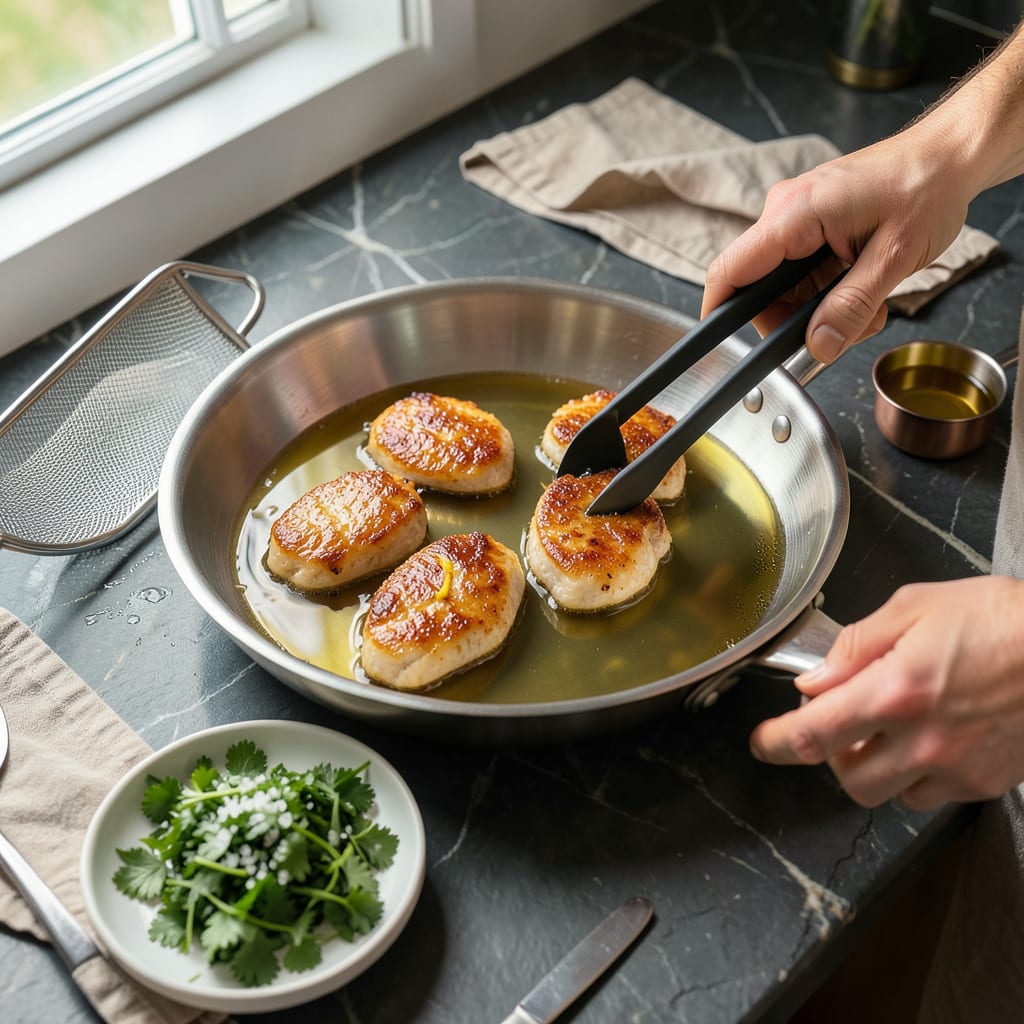
Frying shouldn’t be a battle against oil splatters and kitchen messes. After years of perfecting my frying technique—from delicate tempura to crispy fried chicken—I’ve developed a foolproof method that keeps oil where it belongs: in the pan, not on your stovetop or arms. The solution lies in controlling three critical factors: moisture, oil temperature, and food preparation.
Moisture is the primary culprit behind dangerous oil splatters. Even a small amount of water on food surfaces causes oil to pop violently when it hits the hot surface. My professional approach involves thoroughly patting dry all ingredients before they touch the oil, using paper towels or clean kitchen cloths. This simple step eliminates 90% of splatter issues before you even begin cooking.
Oil temperature and depth play equally important roles. Maintaining oil between 350°F and 375°F creates the ideal frying environment—hot enough for crispy results but not so hot that it smokes or spits. I recommend using a deep, heavy-bottomed pot filled no more than halfway with oil, leaving ample room for food displacement without overflow. A candy or deep-fry thermometer removes all guesswork from temperature control.
For immediate protection, a splatter screen becomes your best defense against stray oil droplets. Unlike lids that trap steam and create condensation (which can cause more splattering when lifted), these mesh screens allow steam to escape while containing oil. Whether you’re frying chicken thighs, falafel balls, or vegetable tempura, this method delivers consistently crispy results without the cleanup nightmare.
📚 In This Guide
- What You’ll Need
- Instructions
- Tips and Common Mistakes
What Youll Need
- ● Frying pan or skillet: 10–12-inch heavy-bottomed (cast iron or stainless steel preferred) 🍳
- ● Cooking oil: ½–1 cup high-smoke-point oil (peanut, canola, or avocado oil works best)
- ● Splatter screen: 1 mesh guard (12-inch diameter or larger) or a fine-mesh lid
- ● Paper towels: 3–4 sheets for blotting food and wiping excess oil
- ● Tongs or slotted spoon: 1 heat-resistant pair for safe flipping
- ○ Kitchen thermometer: 1 (optional, for precise oil temp control) 🌡️
- ● Food to fry: Prepped and pat-dried (moisture = splatter!)
- ○ Long-sleeve apron: 1 (optional but highly recommended for protection)
- ● Salt or seasoning: To taste (add after frying to avoid oil pops)
Instructions for Frying Without Splatter
Master these simple techniques and you’ll achieve perfectly crisp results without the messy oil splatter.
Choose the Right Oil and Pan
Select an oil with a high smoke point like peanut, vegetable, or canola oil. These oils can withstand the 350-375°F temperatures needed for proper frying without breaking down and creating excessive splatter. Fill your pan with 1-2 inches of oil—enough to submerge food but not so much that it becomes difficult to control.
Use a heavy-bottomed pan like cast iron or stainless steel. These materials distribute heat evenly and maintain consistent temperatures, which prevents hot spots that cause oil to bubble violently. Avoid nonstick pans for deep frying—they can’t handle the high heat and may release toxic fumes.
Dry Your Food Thoroughly
Pat all food completely dry with paper towels before it hits the oil. I mean bone-dry—any surface moisture will instantly turn to steam when it contacts hot oil, causing dangerous splattering. For foods with high water content like vegetables or chicken, let them air-dry on a wire rack for 10-15 minutes after patting.
For battered foods, make sure your batter isn’t too thin. A proper batter should coat the back of a spoon and not drip off immediately. Thicker batters create a protective barrier that reduces direct contact between food moisture and hot oil, minimizing splatter.
Control the Oil Temperature Precisely
Use a deep-fry thermometer to maintain oil between 350-375°F. This is the sweet spot where food cooks quickly enough to seal the surface before moisture escapes, but not so hot that the oil becomes volatile. If you don’t have a thermometer, test with a wooden chopstick—when bubbles form steadily around it, the oil is ready.
Add food gently using tongs or a slotted spoon, placing it away from you in the oil. Never drop food from height—this creates waves that can splash hot oil out of the pan. Work in small batches to avoid overcrowding, which causes temperature drops and leads to greasy, splattery results.
Use a Splatter Screen or Lid
Place a fine-mesh splatter screen over your pan to contain any small oil droplets that might escape. If you don’t have a screen, use a lid slightly ajar to allow steam to escape while still providing protection. Stand back slightly when first adding food to the oil—this is when most splattering occurs.
Keep a lid or baking sheet nearby to quickly cover the pan if splattering becomes excessive. Never leave hot oil unattended, and keep children and pets away from the cooking area. I also recommend wearing an apron and long sleeves as an extra precaution against stray oil droplets.
Manage the Cooking Process Carefully
Resist the urge to stir or move food constantly while frying. Let it cook undisturbed for the first 1-2 minutes to allow a crust to form. This crust helps contain internal moisture and reduces splattering as cooking progresses. Use a slotted spoon to gently turn food when needed.
When removing food from the oil, let excess oil drip back into the pan for 10-15 seconds before transferring to a paper towel-lined plate. This prevents carrying hot oil out of the pan where it can splatter. Between batches, skim any food particles from the oil with a fine-mesh strainer to prevent burning and excessive bubbling.
Tips and Common Mistakes
Mastering splatter-free frying comes down to understanding the science behind these techniques.
Temperature Precision: Maintaining that 350-375°F range in Step 3 isn’t just about cooking—it’s about safety. Below 350°F, food absorbs oil and becomes greasy, while above 375°F, oil breaks down rapidly. I’ve found that peanut oil holds this range most consistently, making it my top choice for high-heat frying. The thermometer is your best friend here; don’t trust visual cues alone.
Moisture Management: That 10-15 minutes of air-drying in Step 2 makes all the difference, especially with proteins. Here’s what nobody tells you—even after patting dry, chicken skin or vegetable surfaces retain microscopic moisture. Letting them rest on a wire rack allows air circulation that evaporates this hidden moisture before it hits the oil. For extra insurance, I sometimes use a clean kitchen towel to press out additional moisture after the initial pat-down.
Crust Formation Technique: The 1-2 minutes of undisturbed cooking in Step 5 creates what I call the “splatter shield.” This initial crust formation is critical—it seals the food’s surface, preventing internal moisture from escaping violently into the hot oil. I use this time to observe the oil’s reaction; steady bubbles around the food’s edges indicate proper temperature, while aggressive bubbling means the oil is too hot or the food wasn’t dry enough.
Equipment Strategy: Your choice of pan in Step 1 affects more than just heat distribution. A cast iron skillet’s high sides contain splatter better than a shallow pan. I keep a second empty pan nearby during frying—if splattering becomes uncontrolled, I can quickly transfer the oil to the clean pan, leaving behind any burned particles that might cause further issues.
Pro Tips for Fry Without Splatter
- Mastering splatter-free frying comes down to understanding the science behind these techniques.
- Temperature Precision: Maintaining that 350-375°F range in Step 3 isn’t just about cooking—it’s about safety. Below 3…
- Moisture Management: That 10-15 minutes of air-drying in Step 2 makes all the difference, especially with proteins. H…
Frequently Asked Questions
Got questions about splatter-free frying? You’re not alone! Here are the most common concerns—and quick fixes—to keep your stovetop (and your shirt) spotless.
Why does oil splatter more with some foods than others?
Wet or icy foods (like frozen fries or damp veggies) cause violent splatter when hitting hot oil. Pat foods thoroughly dry with paper towels, and avoid overcrowding the pan. Starchy foods (like potatoes) also release moisture—try blanching first for crispier, quieter results.
Can I use a splatter screen and a lid? Is that safe?
Yes! A splatter screen lets steam escape while blocking grease, but adding a partially covered lid (leave a small gap) traps less moisture. Never seal tightly—pressure buildup can cause dangerous oil bursts. Safety first!
What’s the fastest way to clean grease splatters off my stovetop?
Act fast! Sprinkle baking soda or salt on warm (not hot) splatters to absorb oil, then wipe with a damp cloth. For stubborn spots, use a 50/50 vinegar-water spray + scrubber. Avoid abrasives on glass tops—opt for a razor blade at a 45° angle.
Does the oil temperature really matter that much?
Absolutely. Oil that’s too cool = soggy, greasy food + excessive splatter. Too hot = burnt crusts + smoke. Use a thermometer (350–375°F for most frying) or test with a wood chopstick—bubbles mean it’s ready!
Are there splatter-free alternatives to deep-frying?
Try air frying (crispy results, zero splatter) or pan-searing with minimal oil (use a heavy skillet like cast iron). For “fried” texture without the mess, oven-bake with a wire rack (e.g., 425°F for 20–25 mins, flipping halfway).
Say goodbye to greasy stovetops and hello to stress-free frying! 🎉 With the right oil, temperature, and a few simple tricks—like a splatter screen or dry food prep—you can fry like a pro without the messy cleanup. Whether you’re whipping up crispy chicken, sizzling bacon, or golden fries, these techniques keep splatter at bay while locking in flavor.
Ready to put your new skills to the test? Grab your favorite recipe, heat that oil with confidence, and enjoy a splatter-free cooking experience. Happy frying! 🍳✨

Trained in classic French technique but raised on slow-cooked ribs and spicy rubs, she blends culinary skill with smoke and soul.
- Recipe for Boneless Pork Chops in Cast Iron Skillet: Sear and Baste to Juicy Perfection - October 3, 2026
- Recipe for Boneless Cross Rib Roast: Slow-Roasted Beef with Herb Crust - October 3, 2026
- Hamburgers in Sauce Recipe Crock Pot: Slow-Cooked Savory Delight - October 3, 2026