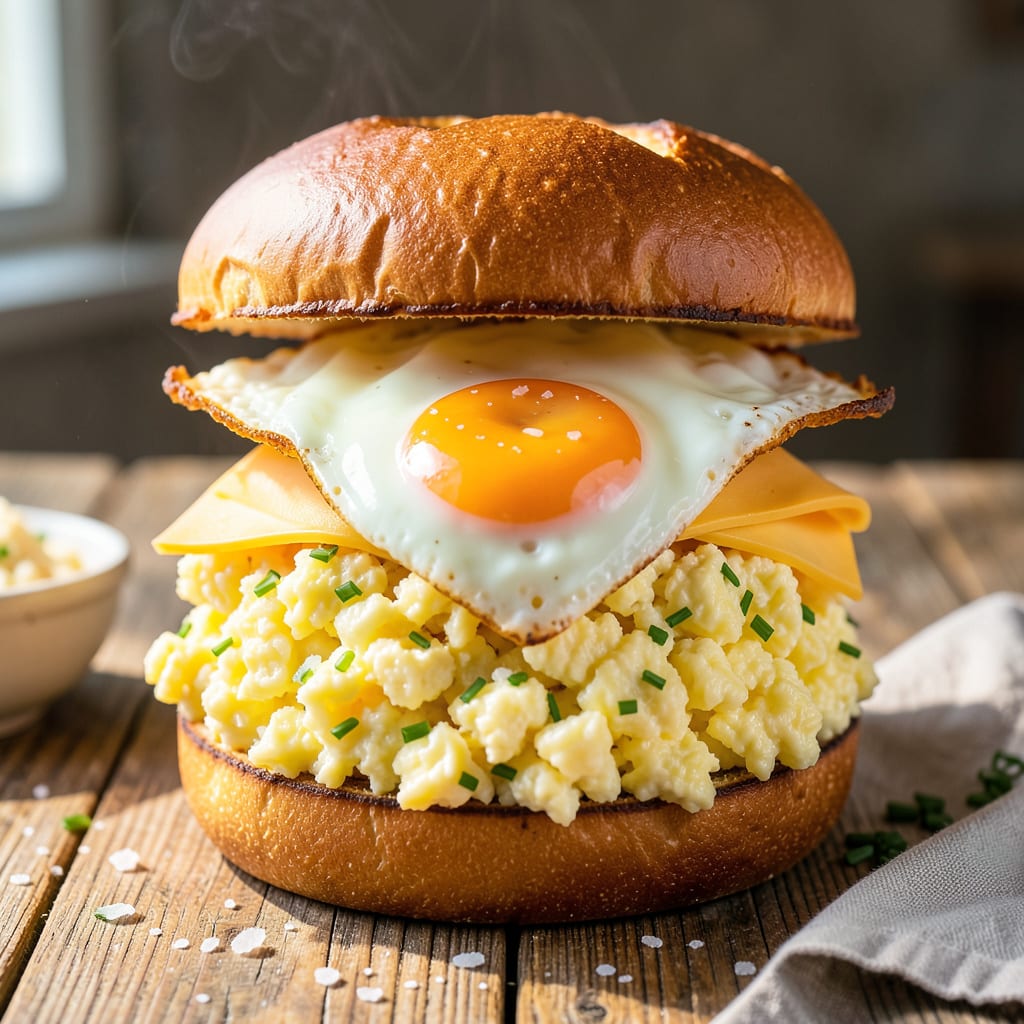
I’ve made more sandwich eggs than I can count, and here’s the truth: not all eggs are created equal when it comes to holding up between bread. The perfect sandwich egg needs to be sturdy enough to stay put but tender enough to bite through without squishing everything out. After years of testing (and a few messy failures), I’ve nailed the techniques that work every time.
Whether you’re team fried, scrambled, or poached, the key is controlling moisture and structure. For fried eggs, a firm but still slightly runny yolk gives you that golden center without making your sandwich soggy. Scrambled eggs need to be just set—creamy but not wet—to stay put when you take a bite. And poached? Well, that’s where timing becomes everything for eggs that hold their shape.
Here’s what most people miss: the bread matters just as much as the eggs. Toast it until it’s golden and crisp—this creates a barrier that prevents your carefully cooked eggs from turning the whole thing into a slippery mess. I like to add a thin layer of mayo or butter on the toast before adding the eggs; it’s the secret to that perfect bite where everything stays together.
By the time you’re done, you’ll have sandwiches where the eggs are the star—not the reason your lunch is falling apart. No more sad, squished breakfasts or lunches that don’t travel well. Just perfectly cooked eggs that stay put and taste amazing, every single time. Ready to make eggs that actually work in a sandwich?
📚 In This Guide
- What You’ll Need
- Instructions
- Tips and Common Mistakes
What Youll Need
- ● Eggs: 2–4 large, fresh eggs (1–2 per sandwich, depending on size)
- ● Butter or oil: 1 tbsp (unsalted butter for rich flavor, or neutral oil like canola/vegetable)
- ● Salt: ¼ tsp (or to taste—don’t skip this!)
- ● Black pepper: ⅛ tsp (freshly ground is best)
- ○ Milk or water (optional): 1 tsp per egg (for extra fluffiness)
- ● Non-stick skillet: 8–10 inches (medium heat works best)
- ● Spatula: Silicone or thin-edged for easy flipping
- ● Bowl & whisk/fork: For beating eggs (or shake in a sealed container!)
- ● Plate: For holding cooked eggs (warm it first to keep eggs toasty)
- ○ Timer (optional): To nail that just-right doneness
- ○ Cheese grater (optional): If adding melted cheese to your sandwich
Instructions
Here’s the foolproof method for eggs that stay fluffy and hold their shape—no more soggy sandwiches.
Choose the Right Cooking Method
For sandwich eggs, I always use either scrambled or fried eggs—both work beautifully if done right. Scrambled eggs give you soft, foldable layers perfect for breakfast sandwiches, while fried eggs (over-easy or over-medium) add a rich, runny yolk that takes your sandwich to the next level.
If you’re making multiple sandwiches, scrambled eggs are more practical—they’re easier to batch-cook and distribute evenly. For a single sandwich with that classic diner-style egg, go with fried. Either way, start with fresh eggs for the best texture and flavor.
Prepare Scrambled Eggs for Perfect Layers
Crack your eggs into a bowl and add a splash of milk or water—about 1 tablespoon per 2 eggs. Whisk vigorously until no streaks remain and the mixture is completely homogeneous. This incorporates air, which makes the eggs lighter and fluffier when cooked.
Heat a nonstick skillet over medium-low heat and add just enough butter to lightly coat the pan—about 1 teaspoon per 2 eggs. Pour in the egg mixture and let it sit undisturbed for 10-15 seconds until you see the edges just beginning to set.
Using a silicone spatula, gently push the cooked edges toward the center while tilting the pan to let the uncooked egg flow to the edges. Repeat this process until the eggs are mostly set but still slightly glossy on top. Remove from heat while they’re still slightly underdone—they’ll finish cooking from residual heat.
For sandwich layers, cook them slightly firmer than you would for plate eggs. They should hold together when folded but still be tender. Let them cool for 2 minutes before assembling to prevent soggy bread.
Master the Fried Egg Technique
For a classic fried egg sandwich, heat a nonstick skillet over medium heat and add about 1 teaspoon of butter or oil. Crack your egg into a small bowl first (this prevents shell fragments and lets you slide it neatly into the pan).
Gently pour the egg into the pan. For over-easy eggs, cook until the whites are completely set but the yolk is still runny—about 2-3 minutes. You’ll know it’s ready when the edges are crispy and the whites are no longer translucent.
For over-medium eggs (my personal favorite for sandwiches), cook for 1 minute longer, then carefully flip and cook for an additional 30 seconds. The yolk should be jammy but not completely firm. Use your spatula to press down gently on the whites if they’re not setting evenly.
Here’s the secret for sandwich eggs: cook them just a touch longer than you would for plate eggs. This helps them hold up better when bitten into. Slide them onto a plate and let them rest for 1 minute before assembling.
Shape and Size for Perfect Sandwich Fit
Whether you’re making scrambled or fried eggs, size matters for sandwiches. For scrambled eggs, cook them in a pan that matches your bread size—a 6-inch skillet works perfectly for standard sandwich bread. Shape the eggs into a rough rectangle as they cook to match your bread slices.
For fried eggs, use a cookie cutter or ring mold in the pan to create perfectly round eggs that fit your bread. A 3-inch ring works for most sandwiches. Lightly grease the ring before adding the egg to prevent sticking. If you don’t have a ring, you can carefully shape the whites with your spatula as they cook.
Real talk: the shape makes a bigger difference than you’d think. Neatly shaped eggs mean every bite has the perfect egg-to-bread ratio, with no awkward overhang or skimpy coverage. It’s worth taking the extra 30 seconds to get this right.
Assemble While Warm (But Not Scorching)
Timing is everything when assembling your sandwich. The eggs should be warm but not piping hot—if they’re too hot, they’ll make the bread soggy. Let them cool for 2-3 minutes after cooking before assembling. This brief rest also helps them set completely so they don’t ooze out when you take a bite.
For scrambled eggs, fold them gently into your bread rather than piling them high. For fried eggs, center them carefully on the bottom slice. Add your other ingredients (cheese melts beautifully on warm eggs), then top with the second slice and press down gently.
If you’re making the sandwich ahead of time, undercook the eggs by about 30 seconds so they don’t get rubbery when reheated. Wrap the assembled sandwich in parchment paper to maintain texture, then reheat gently in a 300°F oven for 5-8 minutes when ready to serve.
Tips and Common Mistakes
The difference between a good sandwich egg and a perfect one comes down to a few key details. Here’s what I’ve learned from making hundreds of them.
The Heat Factor: In Step 2, that medium-low heat for scrambled eggs is crucial—it creates small, tender curds rather than rubbery ones. If your pan gets too hot, you’ll end up with dry, crumbly eggs that won’t hold together in your sandwich. For fried eggs in Step 3, medium heat gives you crispy edges without overcooking the yolk. I always test my pan by sprinkling a few water droplets—they should sizzle and evaporate immediately, but not smoke.
Timing Secret: Those 10-15 seconds of undisturbed cooking in Step 2 might seem insignificant, but they’re everything. This brief pause lets the eggs start setting at the edges, creating that perfect fluffy texture. For fried eggs, the 2-3 minutes cooking time in Step 3 should give you whites that are completely set but still tender—not leathery. I use a timer for this because it’s easy to overcook when you’re multitasking.
Shape Matters: The 6-inch skillet recommendation in Step 4 isn’t arbitrary—it matches standard sandwich bread perfectly. For fried eggs, that 3-inch ring creates eggs that fit neatly without spilling over. If you don’t have a ring mold, a clean tuna can with both ends removed works just as well. I keep one in my kitchen just for this purpose.
Make-Ahead Strategy: The 30 seconds undercooking suggestion in Step 5 when prepping ahead is my secret weapon. It accounts for the additional cooking that happens during reheating. When you’re ready to serve, that 300°F oven for 5-8 minutes gently warms everything without drying out the eggs or bread. I line my baking sheet with parchment for easy cleanup and even heating.
Pro Tips for Make Eggs For Sandwich
- The difference between a good sandwich egg and a perfect one comes down to a few key details. Here’s what I’ve learne…
- The Heat Factor: In Step 2, that medium-low heat for scrambled eggs is crucial—it creates small, tender curds rather …
- Timing Secret: Those 10-15 seconds of undisturbed cooking in Step 2 might seem insignificant, but they’re everything….
Frequently Asked Questions
Got questions about nailing the perfect egg for your sandwich? You’re not alone! Here are the most common egg-cellent queries—answered fast so you can get back to cooking.
How do I keep scrambled eggs from making my sandwich soggy?
Drain excess moisture! Cook eggs on medium-low heat until just set (slightly underdone), then let them cool 2 minutes on a paper towel before assembling. Pro tip: Add a thin layer of butter or mayo to the bread as a moisture barrier.
Can I meal prep eggs for sandwiches ahead of time?
Absolutely! Cook eggs as usual, let them cool completely, then store in an airtight container for up to 3 days. Reheat gently in a dry pan or microwave (10–15 sec) to restore texture. Avoid overcooking initially—they’ll dry out when reheated.
What’s the best egg alternative for vegan sandwiches?
Try tofu scramble (crumbled firm tofu + turmeric, nutritional yeast, and black salt for an eggy taste) or chickpea flour “omelets.” For a quick fix, store-bought vegan egg substitutes (like Just Egg) work great and hold shape well!
Why do my fried eggs break when I put them on the sandwich?
Two likely culprits: overcooking (makes yolks brittle) or sliding them too soon. Use a thin, flexible spatula to lift eggs after the whites fully set. For extra stability, fry in a ring mold or cook sunny-side-up with a runny yolk (it acts like glue!).
How long should I cook eggs for a breakfast sandwich?
Timing varies by style:
- Scrambled: 2–3 mins on medium-low (soft) or 4 mins (firm).
- Fried: 2–3 mins for runny yolks; 4 mins for fully set.
- Poached: 3–4 mins in simmering water (use vinegar to help them hold shape).
Now you’ve got the secret to making perfect sandwich eggs—whether you prefer them fluffy, creamy, or firm! 🥪✨ With just a few simple techniques, your breakfast (or lunch) will never be boring again. The key is experimenting with textures and seasonings to match your favorite fillings.
Ready to level up? Try pairing your eggs with crispy bacon, avocado, or a zesty spread for a next-level sandwich. Or, if you’re feeling adventurous, test out a new style—like a Japanese tamago sando or a spicy Mexican torta! Which recipe will you try first? Drop a comment below—we’d love to hear your go-to combo! 👇

Trained in classic French technique but raised on slow-cooked ribs and spicy rubs, she blends culinary skill with smoke and soul.
- Recipe for Boneless Pork Chops in Cast Iron Skillet: Sear and Baste to Juicy Perfection - October 3, 2026
- Recipe for Boneless Cross Rib Roast: Slow-Roasted Beef with Herb Crust - October 3, 2026
- Hamburgers in Sauce Recipe Crock Pot: Slow-Cooked Savory Delight - October 3, 2026