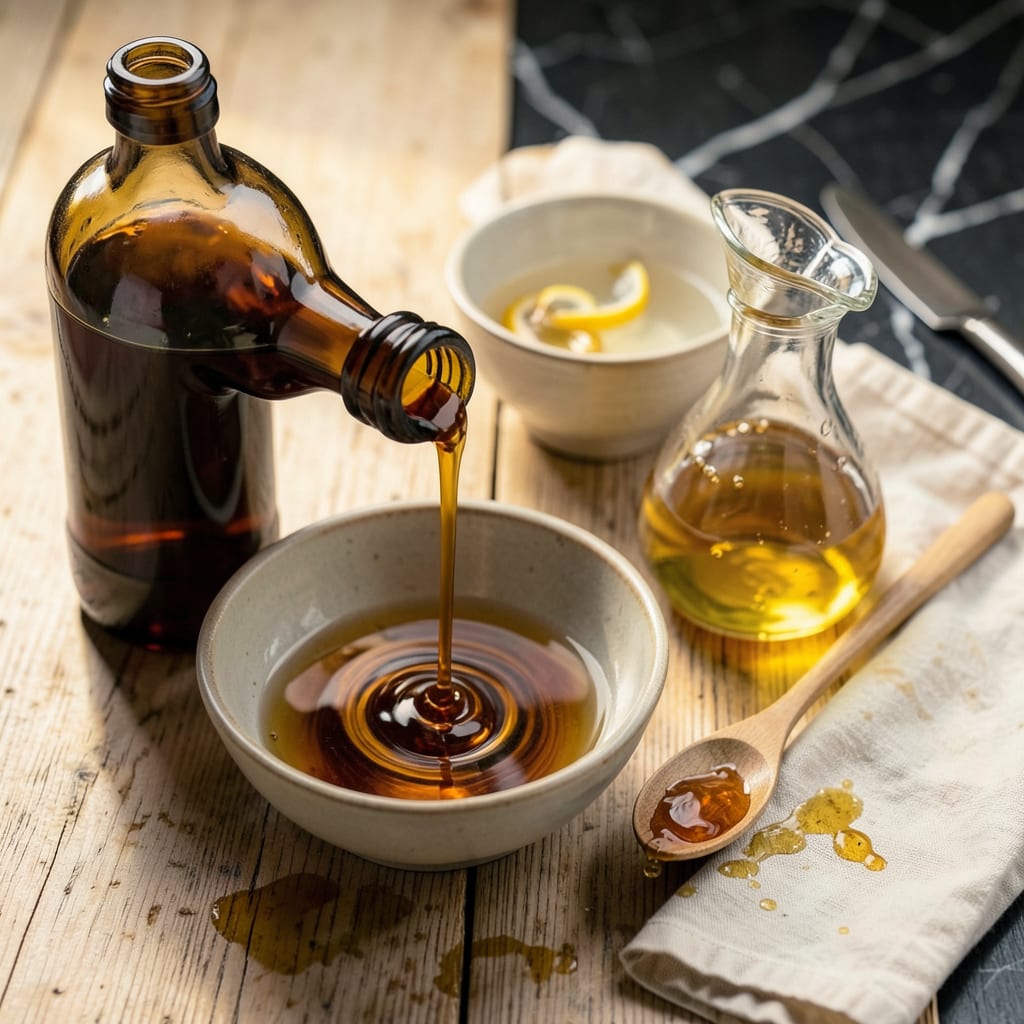
I’ll be real with you—light soy sauce isn’t just watered-down regular soy sauce. It’s a delicate balance of saltiness and umami that can transform your stir-fries and marinades. After burning through countless batches (and nearly ruining my favorite fried rice), I finally cracked the code for making it at home.
The secret is in the ratio: 1 part regular soy sauce to 1 part water, plus a tiny pinch of sugar to round out the flavors. This simple dilution trick creates that signature lighter color and milder taste without sacrificing depth. No fancy equipment needed—just a measuring cup and 5 minutes of your time.
What you get is a versatile condiment that’s perfect when you want soy flavor without overwhelming saltiness. I use it in delicate sauces, dumpling fillings, and even as a finishing drizzle over steamed fish. The difference from regular soy sauce is night and day—once you try this, you’ll never go back to using them interchangeably.
Here’s the thing—this works because light soy sauce is traditionally made from the first pressing of soybeans, which is naturally milder. Our homemade version mimics that balance perfectly. Let’s get your pantry stocked with this essential ingredient.
📚 In This Guide
- What You’ll Need
- Instructions
- Tips and Common Mistakes
What Youll Need
- ● Regular soy sauce – 1 cup (240 mL) of high-quality (preferably naturally brewed) soy sauce. Avoid low-sodium or flavored varieties.
- ● Water – ½ to ¾ cup (120–180 mL) filtered or distilled for best taste (adjust to preference).
- ○ White sugar – 1–2 tsp (optional, for balancing saltiness).
- ○ Rice vinegar or mirin – ½ tsp (optional, for subtle tanginess).
- ● Mixing bowl – A medium-sized, non-reactive bowl (glass or stainless steel).
- ● Whisk or spoon – For thorough blending.
- ● Measuring cups/spoons – For precision (especially if scaling the recipe).
- ○ Fine-mesh strainer or cheesecloth (optional, if filtering sediment).
- ● Airtight container – A clean glass bottle or jar (16–20 oz) for storage.
- ● Prerequisites: Basic kitchen familiarity (no cooking required!).
- ● Patience to taste-test and adjust dilution.
Instructions for Making Light Soy Sauce From Regular Soy Sauce
This simple dilution process transforms regular soy sauce into a lighter, more delicate version perfect for any dish.
Select Your Base Soy Sauce
Begin with a high-quality regular soy sauce as your foundation. I recommend choosing a brand with clean, simple ingredients—avoid those with added preservatives or artificial flavors. The better your starting soy sauce, the more balanced your final light soy sauce will be.
For best results, use a traditional Chinese soy sauce rather than Japanese shoyu, as the flavor profile is more concentrated and will dilute more predictably. The color should be deep mahogany, not black, indicating proper fermentation rather than caramel coloring.
Determine Your Dilution Ratio
The standard ratio for creating light soy sauce is 1 part regular soy sauce to 1 part water. This creates a balanced, all-purpose light soy sauce suitable for most recipes. For a more subtle version, you can increase the water to 1½ parts—this works well for delicate dishes like steamed fish or clear soups.
Measure your soy sauce precisely using a liquid measuring cup. I find that ½ cup of regular soy sauce yields enough light soy sauce for most home cooking needs while allowing for easy adjustment. Remember, you can always dilute further, but you can’t concentrate once diluted.
Combine and Infuse the Mixture
In a clean glass jar or bowl, combine your measured soy sauce and water. Use room temperature filtered water for best results—chlorinated tap water can sometimes impart off-flavors. Stir gently but thoroughly with a spoon until completely homogeneous.
For enhanced flavor integration, let the mixture sit at room temperature for 30 minutes before using. This brief resting period allows the water to fully absorb the soy sauce’s complex umami compounds. You’ll notice the color lightens slightly during this time as the dilution equalizes.
Adjust and Test the Flavor
After the initial combination, taste your light soy sauce and compare it to commercial versions if available. The flavor should be noticeably milder than regular soy sauce but still maintain its essential savory character. If it’s too strong, add additional water in 1 tablespoon increments until you achieve the desired intensity.
Pay attention to the salt level—properly diluted light soy sauce should taste salty but not overwhelming. The color will be a lighter amber rather than dark brown. I like to test it by dipping a piece of plain tofu or blanched bok choy to evaluate how it performs with food.
Store for Optimal Freshness
Transfer your finished light soy sauce to a clean glass bottle or jar with a tight-fitting lid. Store it in the refrigerator where it will keep for up to 3 months. The cold temperature helps maintain the balanced flavor profile you’ve created.
Over time, you might notice slight separation—this is normal. Simply shake the bottle before each use to reincorporate any settled components. For best results, make small batches frequently rather than large quantities that might degrade before use.
Tips and Common Mistakes for Perfect Light Soy Sauce
Getting this balance just right comes down to a few key details that make all the difference.
Selection Tip: In Step 1, choosing the right base soy sauce is everything. I learned this the hard way after trying to dilute a cheap, overly salty brand—it just tasted watered-down rather than balanced. Look for a traditional Chinese soy sauce with “naturally brewed” on the label and that deep mahogany color mentioned in the instructions. The quality of your starting sauce determines 90% of your final result.
Precision Matters: When measuring in Step 2, use liquid measuring cups rather than dry ones for accuracy. The 1:1 ratio works perfectly when measured precisely, but eyeballing can lead to inconsistent results. I keep a small glass measuring cup dedicated just for sauces to avoid any residue affecting flavors. For the 1½ parts water variation, that means 3/4 cup water to 1/2 cup soy sauce—this subtle difference creates that delicate flavor needed for clear soups.
The Resting Period: Don’t skip the 30-minute resting time in Step 3. I initially thought this was unnecessary until I compared side-by-side batches—one rested, one not. The rested version had noticeably better flavor integration and a smoother mouthfeel. The color also evens out during this time, giving you that authentic light amber hue rather than a streaky appearance.
Storage Wisdom: The 3-month refrigerator life in Step 5 assumes you’re using a clean, airtight container. I recommend glass bottles with swing-top lids—they create the best seal. If you notice any cloudiness or off smells before the 3 months are up, it’s time to make a fresh batch. Small batches really are better here; I make 1/2 cup at a time and it stays perfect until I use it all.
Pro Tips for Make Light Soy Sauce From Regular Soy Sauce
- Getting this balance just right comes down to a few key details that make all the difference.
- Selection Tip: In Step 1, choosing the right base soy sauce is everything. I learned this the hard way after trying t…
- Precision Matters: When measuring in Step 2, use liquid measuring cups rather than dry ones for accuracy. The 1:1 rat…
Frequently Asked Questions
Can I use any type of regular soy sauce for this?
Yes! Dark, all-purpose, or even tamari work, but avoid reduced-sodium versions—they’re already diluted and may taste flat. For best results, use a high-quality regular soy sauce (like Kikkoman or Pearl River Bridge) to ensure rich flavor after dilution.
How long does homemade light soy sauce last?
Stored in an airtight container in the fridge, it stays fresh for up to 3 months. Check for cloudiness or off smells before use. Pro tip: Label your bottle with the date to track freshness!
What’s the best ratio for diluting regular soy sauce?
The classic ratio is 1:1 (soy sauce to water), but adjust to taste. For a lighter color/flavor, try 1 part soy to 1.5 parts water. Test with a spoon before batch-making!
Can I substitute light soy sauce in recipes if I don’t have time to dilute?
In a pinch, mix regular soy sauce + a splash of broth (chicken/vegetable) to mimic light soy’s depth. Avoid plain water—it lacks umami. For stir-fries, add a pinch of sugar to balance saltiness.
Why does my homemade light soy sauce taste too salty or weak?
Too salty? Add more water (½ tsp at a time) or a pinch of sugar. Too weak? Simmer 5 mins to reduce liquid or stir in ½ tsp of regular soy sauce. Taste as you go!
Transforming regular soy sauce into a lighter, more versatile version is easier than you think! With just water, a little patience, and the right ratio, you’ve got a homemade light soy sauce that’s perfect for dipping, marinating, or cooking. 🌟 Whether you’re cutting sodium or just prefer a milder flavor, this simple trick puts you in control—no extra store trips required.
Now that you’ve mastered the basics, why not experiment with flavors? Try adding a splash of rice vinegar or a pinch of sugar to customize your blend. Happy saucing! 🍜

Trained in classic French technique but raised on slow-cooked ribs and spicy rubs, she blends culinary skill with smoke and soul.
- Recipe for Boneless Pork Chops in Cast Iron Skillet: Sear and Baste to Juicy Perfection - October 3, 2026
- Recipe for Boneless Cross Rib Roast: Slow-Roasted Beef with Herb Crust - October 3, 2026
- Hamburgers in Sauce Recipe Crock Pot: Slow-Cooked Savory Delight - October 3, 2026