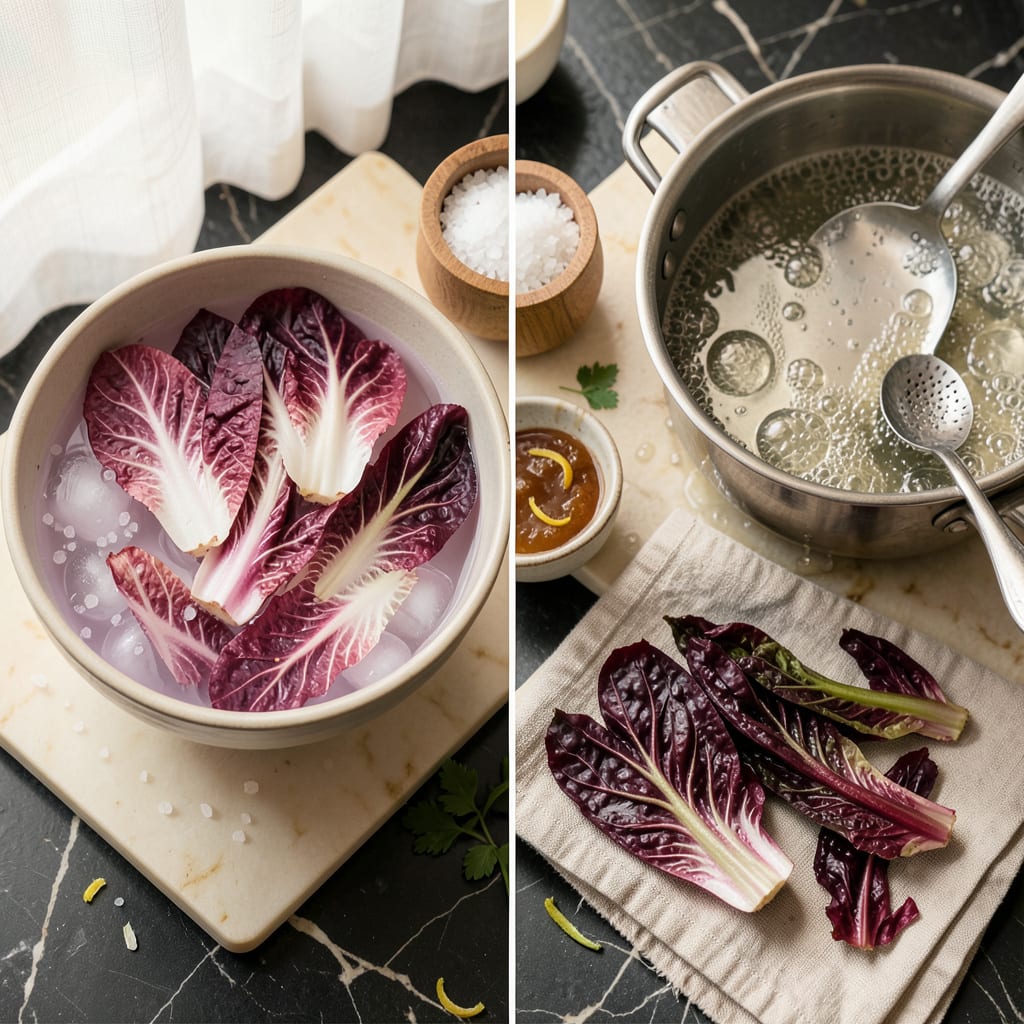
Radicchio’s bold bitterness can be polarizing, but I’ve learned to love it—and more importantly, how to tame it. That sharp edge isn’t a flaw; it’s an opportunity to transform this stunning purple veggie into something balanced and delicious. I used to avoid radicchio entirely until I discovered a few simple techniques that make it shine.
Here’s the thing—radicchio’s bitterness comes from compounds that actually mellow when you apply heat or balance them with the right flavors. I’ve tested everything from quick blanching to slow roasting, and the results are game-changing. The key is working with that bitterness rather than fighting it, turning what some see as a flaw into your dish’s secret weapon.
What you’ll end up with is radicchio that’s still beautifully vibrant but with layers of flavor—maybe slightly sweet from caramelization, or bright from a citrus pairing. These techniques take minutes but make all the difference between a bitter bite and a complex, crave-worthy ingredient. No fancy equipment needed, just a little know-how.
Whether you’re tossing it in salads, grilling it for antipasto, or braising it into something rich and tender, treated radicchio brings depth to your cooking. Let me show you how to unlock its potential—you might just find yourself reaching for it as often as I do now.
📚 In This Guide
- What You’ll Need
- Instructions
- Tips and Common Mistakes
What Youll Need
- ● 1 head of radicchio (fresh, medium-sized, about 8–10 oz) 🥬
- ● 1–2 tbsp olive oil (extra virgin preferred for soaking/cooking)
- ● 1 tbsp lemon juice or vinegar (white wine, apple cider, or balsamic)
- ● 1 tsp salt (kosher or sea salt for soaking)
- ○ 1 tsp sugar or honey (optional, to balance bitterness)
- ● Cold water (enough to submerge radicchio in a bowl)
- ● Large mixing bowl (for soaking)
- ● Sharp chef’s knife (for slicing)
- ● Cutting board
- ● Colander (for draining)
- ○ Optional: Salad spinner (for drying leaves post-soak)
- ○ Optional: Grill or skillet (if using heat methods)
Instructions for Reducing Radicchio’s Bitterness
These three proven methods will transform radicchio’s harsh bite into balanced, complex flavor.
Salt and Soak for Immediate Bitterness Reduction
Separate the radicchio leaves and submerge them in a large bowl of cold water. Add 1 tablespoon of kosher salt per quart of water and let soak for 15-20 minutes. The salt draws out bitter compounds through osmosis while the water dilutes them.
You’ll notice the water gradually darkens as the bitterness leaches out. After soaking, drain the leaves and rinse thoroughly under cold water to remove excess salt. Pat dry with paper towels before using. This method works particularly well for raw applications like salads.
Blanch and Shock for Cooked Applications
Bring a large pot of salted water to a rolling boil. Prepare an ice bath in a separate bowl. Add the radicchio leaves and blanch for 30-45 seconds until they turn vibrant and slightly wilted. The brief cooking time softens the bitter compounds without destroying the vegetable’s structure.
Immediately transfer the blanched leaves to the ice bath to halt cooking. This shock treatment preserves the crisp texture while locking in the milder flavor. Drain well and pat dry before proceeding with your recipe. Blanched radicchio works beautifully in grilled preparations or warm salads.
Roast or Grill for Caramelized Sweetness
Preheat your oven to 425°F or heat a grill to medium-high. Cut radicchio heads into quarters, keeping the core intact to hold leaves together. Brush all surfaces with olive oil and season with salt and pepper.
Roast for 15-20 minutes or grill for 5-7 minutes per side until the edges become deeply caramelized and the core is tender when pierced. The high heat transforms bitter compounds into sweet, nutty flavors through Maillard reactions. Look for charred edges and softened leaves as visual cues of doneness.
Pair with Sweet or Creamy Elements
Combine your treated radicchio with complementary ingredients to further balance any remaining bitterness. For raw preparations, toss with sweet fruits like pears or apples, creamy cheeses such as gorgonzola or burrata, and a tangy vinaigrette with honey or balsamic.
For cooked radicchio, drizzle with aged balsamic reduction or sprinkle with toasted nuts to add contrasting textures and flavors. The sweetness and fat will counterbalance any lingering bitterness while highlighting radicchio’s natural complexity. Taste as you go and adjust ratios to your preference.
Tips and Common Mistakes
Transforming radicchio’s bitterness into balanced flavor is all about technique and attention to detail. Here’s what I’ve learned through years of working with this beautiful but challenging ingredient.
Salt Soaking Precision: In Step 1, the 15-20 minute soak time is critical. I’ve found that using exactly 1 tablespoon of kosher salt per quart of water creates the perfect osmotic environment to draw out bitter compounds without making the leaves too salty. Don’t rush this process – you’ll actually see the water darken as the bitterness leaches out, which is your visual confirmation that it’s working.
Blanching Technique: For Step 2, the 30-45 second blanch window might seem brief, but it’s carefully calibrated. The moment you see the leaves turn vibrant and slightly wilted, they’re done. Overblanching will make them mushy, while underblanching won’t sufficiently reduce bitterness. I use a slotted spoon to transfer leaves directly to the ice bath – this immediate shock preserves both texture and the milder flavor you’ve just achieved.
High Heat Mastery: When roasting or grilling in Step 3, that 425°F oven temperature or medium-high grill heat isn’t arbitrary. This specific high heat range is what triggers the Maillard reactions that transform bitter compounds into sweet, nutty flavors. Watch for the edges to become deeply caramelized – this visual cue tells you the chemical transformation is complete. I often rotate the quarters halfway through the 15-20 minute roasting time for even caramelization.
Flavor Pairing Strategy: The complementary ingredients mentioned in Step 4 aren’t just suggestions – they’re scientifically chosen to counterbalance radicchio’s natural compounds. Sweet fruits contain fructose that directly combats bitterness, while creamy cheeses provide fat that coats your palate. When building your dish, add these elements gradually and taste as you go. The ratio should be about 2 parts radicchio to 1 part sweet/creamy element for optimal balance.
Pro Tips for Make Radicchio Less Bitter
- Transforming radicchio’s bitterness into balanced flavor is all about technique and attention to detail. Here’s what …
- Salt Soaking Precision: In Step 1, the 15-20 minute soak time is critical. I’ve found that using exactly 1 tablespoon…
- Blanching Technique: For Step 2, the 30-45 second blanch window might seem brief, but it’s carefully calibrated. The …
Frequently Asked Questions
Can I remove radicchio’s bitterness without cooking it?
Try soaking chopped radicchio in ice water for 15–20 minutes to mellow its bite. Drain well and pat dry before using in salads. A splash of lemon juice or apple cider vinegar in the soak can enhance the effect. This method works best for raw dishes where you want to keep the crunch.
How long does it take to reduce bitterness when grilling or roasting?
Grilling or roasting radicchio takes 8–12 minutes at 400°F (200°C). Halve the heads, brush with olive oil, and cook cut-side down until edges char and leaves soften. The heat caramelizes natural sugars, balancing bitterness. Check at 8 minutes to avoid overcooking!
What’s the best substitute if I can’t stand radicchio’s taste?
For similar texture and color, try endive (milder) or red cabbage (sweeter). If you love the peppery kick but not the bitterness, arugula or dandelion greens are great raw alternatives. Each brings a unique flavor—experiment to find your favorite!
Why does my radicchio still taste bitter after cooking?
Overcrowding the pan or undercooking can trap bitterness. Pro tips: Use high heat (searing helps!), don’t skip the oil (fat cuts bitterness), and add a pinch of salt or sugar while cooking. If all else fails, pair it with rich flavors like balsamic glaze or blue cheese to mask residual bite.
Does radicchio get less bitter as it ages in the fridge?
Nope—it actually gets more bitter over time! Store radicchio in a perforated bag in the crisper drawer and use within 3–5 days for optimal flavor. If it’s already bitter, revive it with a quick blanch-and-shock (boil 1 minute, then ice bath) before using.
With these simple techniques—blanching, pairing with sweetness, or grilling—you can transform radicchio’s bold bitterness into a balanced, delicious flavor. 🌟 Don’t let its sharp taste hold you back; a little prep unlocks its crisp texture and vibrant color in salads, pasta, or even as a stand-alone dish!
Ready to experiment? Grab a head of radicchio and try one of these methods tonight—your taste buds will thank you! Which technique will you try first?

Trained in classic French technique but raised on slow-cooked ribs and spicy rubs, she blends culinary skill with smoke and soul.
- Recipe for Boneless Pork Chops in Cast Iron Skillet: Sear and Baste to Juicy Perfection - October 3, 2026
- Recipe for Boneless Cross Rib Roast: Slow-Roasted Beef with Herb Crust - October 3, 2026
- Hamburgers in Sauce Recipe Crock Pot: Slow-Cooked Savory Delight - October 3, 2026