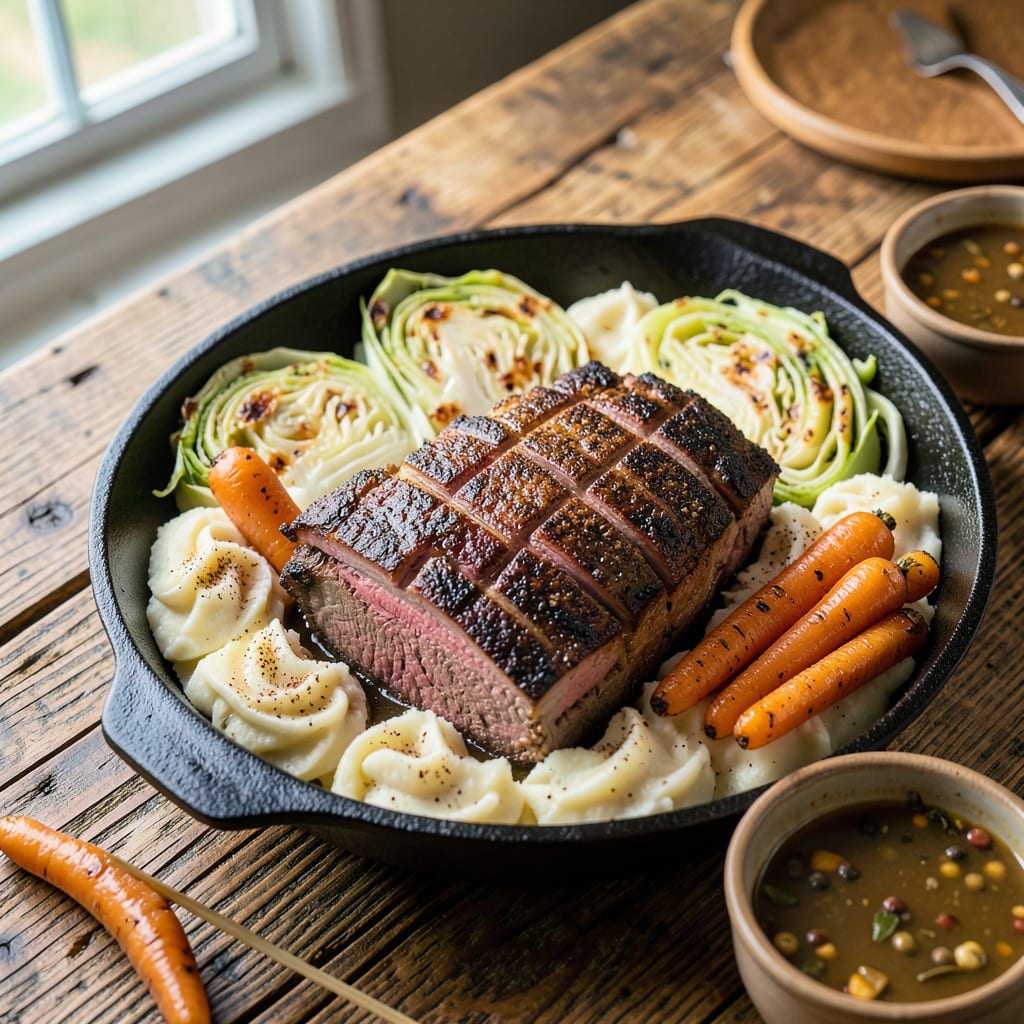
The liquid in corned beef packaging is a brine solution used for curing and preserving the meat. It’s safe to use for cooking but often discarded as it can be very salty. Many recipes recommend rinsing the beef before preparation to reduce sodium content.
That salty brine is essentially a flavor-packed curing solution, but here’s the catch: it’s designed for preservation, not necessarily for eating. 🔥 I always consider the dish I’m making—if I’m simmering the beef, I might use a portion for extra depth, but for roasting or grilling, I rinse it thoroughly to avoid overwhelming saltiness. The brine’s intensity comes from its high sodium content, which can dominate other flavors if not balanced properly. Think of it like a concentrated seasoning—powerful in small doses, but best diluted or discarded for most home cooking.
💡 In This Article
- What’s Actually in the Corned Beef Package Liquid?
- How to Cook Corned Beef With (or Without) the Packaging Liquid
What’s Actually in the Corned Beef Package Liquid?
That liquid isn’t just random juices—it’s a carefully calibrated curing brine designed to transform tough beef cuts into tender, flavorful corned beef. The base is a high-concentration saltwater solution (typically 5-8% sodium content), which draws moisture out of the meat initially, then reabsorbs it during curing.
This osmotic process breaks down muscle fibers while infusing seasoning deep into the tissue. Commercial brines also contain sodium nitrite (about 50-200 ppm), which develops that signature pink color and prevents botulism growth during the multi-day curing process.
The spice blend varies by brand, but you’ll commonly find mustard seeds, black peppercorns, coriander, and bay leaves suspended in the liquid. Some premium producers add allspice berries or cloves for complexity. The brine’s pH hovers around 5.5-6.0—slightly acidic from added sodium erythorbate, which accelerates the curing reaction.
When you open the package, that aromatic punch comes from volatile compounds in the spices that intensify during the 5-7 day curing period most commercial corned beef undergoes.
Here’s the critical detail: that liquid carries about 30-40% of the meat’s total sodium content. USDA guidelines note that a single serving of corned beef with its brine can contain 800-1,200mg sodium—half your daily recommended intake. The brine also contains dissolved proteins and collagen from the beef, which is why it appears cloudy.
These proteins contribute to the final texture, but they’re not necessary for cooking since the meat has already absorbed their benefits during curing.
From a food safety perspective, the brine’s high salt and nitrite concentration creates an environment where harmful bacteria like Listeria can’t survive. However, once exposed to air, that protection diminishes within 2-3 hours at room temperature. That’s why unopened packages last weeks in your fridge, but opened brine should be used immediately or discarded.
The preservatives also mean you’ll taste that characteristic “cured” flavor—similar to pastrami but with less smokiness—whether you use the liquid or not.
What most home cooks don’t realize is that the brine’s salt concentration is calibrated for industrial curing tanks, not home stovetops. When simmered, the liquid reduces by about 30%, concentrating those flavors further. That’s why professional recipes often call for diluting it with 2-3 parts water if you choose to use it.
The spices in the brine are already “spent” from the curing process, so they won’t add much new flavor—just intensified saltiness unless properly balanced.
I’ve experimented with using the brine in different ways—adding it to braising liquids for potatoes (where the salt enhances their creaminess) or using just ¼ cup in the cooking water for a 3-pound brisket. The key is treating it like a seasoning concentrate rather than a primary cooking liquid.
When in doubt, remember that the beef has already absorbed most of the brine’s benefits during its curing time, so you’re not losing much by discarding it. ✨

Trained in classic French technique but raised on slow-cooked ribs and spicy rubs, she blends culinary skill with smoke and soul.
- Recipe for Boneless Pork Chops in Cast Iron Skillet: Sear and Baste to Juicy Perfection - October 3, 2026
- Recipe for Boneless Cross Rib Roast: Slow-Roasted Beef with Herb Crust - October 3, 2026
- Hamburgers in Sauce Recipe Crock Pot: Slow-Cooked Savory Delight - October 3, 2026