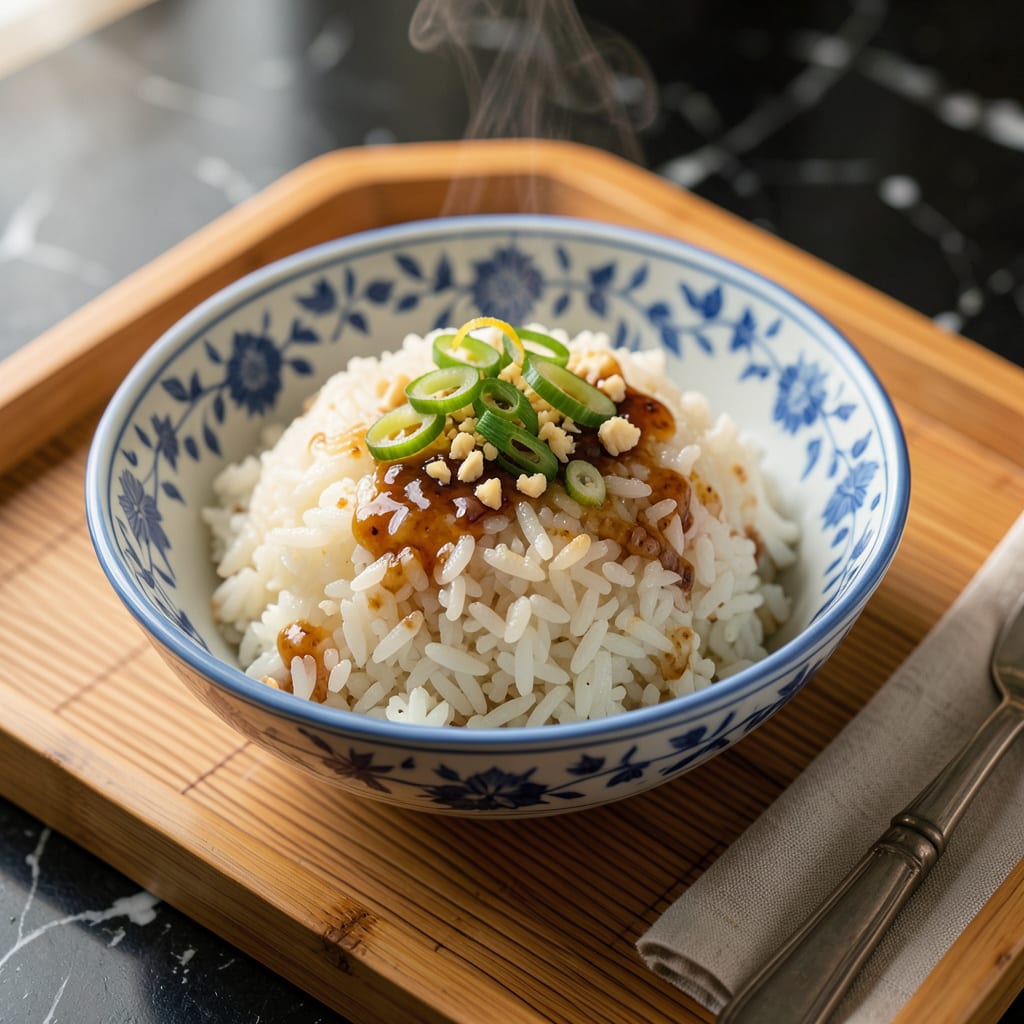
I’ll be real with you—making rice that’s as good as your favorite Chinese restaurant isn’t about fancy ingredients. It’s all about mastering the simple techniques they use every day. The first time I nailed this, my kitchen smelled like a takeout container just opened, and I’ve never looked back.
Here’s the thing—most home cooks overcomplicate rice. Chinese restaurants achieve that perfect fluffy, slightly sticky texture through precise water ratios and one crucial step most people skip: thorough rinsing. I’m talking about washing the rice until the water runs clear, which removes excess starch and prevents that gummy texture we all hate.
What you’ll end up with is rice that’s light, separate, and just slightly chewy—exactly what you’d get alongside your favorite Kung Pao chicken. Whether you’re using a rice cooker or a simple pot, this method works every time. And the best part? It takes less than 30 minutes from start to finish.
Once you’ve got this basic technique down, you can easily adapt it for fried rice or experiment with jasmine rice for that classic aromatic touch. No special equipment needed, just a little patience and attention to detail. Let’s get that rice cooking!
📚 In This Guide
- What You’ll Need
- Instructions
- Tips and Common Mistakes
What Youll Need
- ● Rice: 1 cup jasmine rice (long-grain, uncooked) – the secret to authentic flavor!
- ● Water: 1¼ cups cold filtered water (or follow a 1:1.25 rice-to-water ratio).
- ○ Oil: 1 tsp neutral oil (like vegetable or peanut oil) – optional but adds shine.
- ○ Salt: ¼ tsp (optional, to taste).
- ● Rice cooker (electric or stovetop) or a heavy-bottomed pot with a tight lid.
- ● Fine-mesh strainer for rinsing rice (critical for fluffy texture!).
- ● Wooden spoon or rice paddle to fluff without crushing grains.
- ● Timer (your phone works!) to nail the cooking time.
- ● 1 tsp sesame oil (for aroma).
- ● 1 clove garlic or a small piece of ginger (for infused flavor).
- ● Steamer basket if making sticky rice variations.
Instructions
Here’s the method I use to achieve that signature Chinese restaurant rice—light, fluffy, and never sticky.
Rinse the Rice Thoroughly
Start by placing your rice in a fine-mesh strainer and rinse it under cold running water. I like to swirl the rice with my fingers while rinsing, making sure every grain gets washed. You’ll notice the water running cloudy at first—that’s excess starch washing away.
Continue rinsing until the water runs completely clear, which usually takes about 3-4 rinses. This step is crucial because removing the starch prevents the rice from becoming gummy or sticky. Once rinsed, let the rice drain in the strainer for 5 minutes to remove excess water before cooking.
Use the Right Water Ratio and Soak
For perfect Chinese-style rice, I use a ratio of 1 part rice to 1.1 parts water by volume. This is slightly less water than you might use for regular rice, which helps create that distinct, separate-grain texture. Measure both the rice and water precisely—this isn’t the time for eyeballing.
After measuring, let the rice soak in the water for 20-30 minutes before cooking. Soaking allows the grains to absorb moisture evenly, which leads to more consistent cooking. You’ll see the grains plump up slightly during this time, and that’s exactly what you want.
Cook with Steam, Not Boil
Bring the rice and water to a boil in a heavy-bottomed pot over medium-high heat. Once boiling, immediately reduce the heat to low, cover with a tight-fitting lid, and let it simmer for exactly 12 minutes. The key here is maintaining a gentle simmer, not a rolling boil.
After 12 minutes, turn off the heat but leave the pot covered. Let it sit undisturbed for another 10 minutes—this steaming phase is what transforms the rice from cooked to perfect. The grains will firm up slightly and become evenly tender throughout.
Fluff and Rest Before Serving
After the resting period, remove the lid and gently fluff the rice with a fork or rice paddle. I like to use a folding motion rather than stirring, which helps separate the grains without crushing them. You’ll see each grain should be distinct, glossy, and perfectly tender.
Let the rice rest uncovered for 2-3 minutes before serving. This final rest allows any excess moisture to evaporate, giving you that ideal light and fluffy texture. The rice should hold its shape when scooped but feel soft and delicate in your mouth—just like your favorite Chinese restaurant.
Tips and Common Mistakes
Mastering restaurant-quality rice at home comes down to precision and patience. Here’s what I’ve learned from years of perfecting this technique.
The Rinsing Difference: Don’t rush Step 1—those 3-4 rinses are non-negotiable. I’ve found that swirling the rice vigorously with your fingers removes starch more effectively than just letting water run over it. The water should be completely clear before you stop, and that 5-minute drain afterward prevents any residual moisture from making your rice soggy.
Water Ratio Wisdom: The 1:1.1 rice-to-water ratio in Step 2 is the secret to separate grains. I measure both ingredients in the same cup for accuracy. If you’re using a rice cooker, this ratio still works perfectly—just use the cooker’s “white rice” setting after soaking. The 20-30 minute soak isn’t optional; it ensures even cooking and prevents cracked grains.
Steam, Don’t Boil: In Step 3, when you reduce to low heat after boiling, you should see just a few bubbles breaking the surface—that’s the perfect gentle simmer. The 12-minute cook time is precise: set a timer and resist peeking. That 10-minute covered rest afterward is when the magic happens—the steam redistributes moisture for uniform texture.
Final Texture Trick: The 2-3 minute uncovered rest in Step 4 is crucial. I use this time to prep serving bowls or garnishes. If your rice seems slightly wet after fluffing, this rest evaporates excess moisture. For extra shine, you can gently press a paper towel over the surface to absorb any lingering steam before serving.
Pro Tips for Make Rice Like Chinese Restaurants
- Mastering restaurant-quality rice at home comes down to precision and patience. Here’s what I’ve learned from years o…
- The Rinsing Difference: Don’t rush Step 1—those 3-4 rinses are non-negotiable. I’ve found that swirling the rice vigo…
- Water Ratio Wisdom: The 1:1.1 rice-to-water ratio in Step 2 is the secret to separate grains. I measure both ingredie…
Frequently Asked Questions
Why does my Chinese-style rice turn out mushy instead of fluffy?
Mushy rice usually means too much water or overcooking. Use a 1:1.25 rice-to-water ratio (1 cup rice to 1.25 cups water) and avoid peeking while steaming. Let it rest covered for 10 minutes off heat—this lets excess moisture evaporate. Pro tip: Rinse the rice until the water runs clear to remove excess starch!
Can I use a regular pot instead of a rice cooker?
Use a heavy-bottomed pot with a tight lid. Bring water to a boil, add rice, stir once, then immediately reduce to low heat. Simmer for 12-15 minutes, then rest covered for 10 minutes. No peeking! For extra fluffiness, fluff with a fork before serving.
What’s the best rice type for Chinese restaurant-style rice?
Jasmine rice is the gold standard—it’s fragrant and slightly sticky. Long-grain white rice (like Basmati) works too but lacks the signature aroma. Avoid short-grain rice (e.g., sushi rice) unless you want a stickier texture. For fried rice, use day-old cooked rice for the best results!
How do I fix undercooked rice without burning it?
If the rice is still crunchy but water is absorbed, add 2-3 tablespoons of hot water, cover, and cook on low for 5 more minutes. If it’s very undercooked, transfer to a microwave-safe bowl, sprinkle water, cover with a damp towel, and microwave in 1-minute bursts until tender.
Can I make this rice ahead of time for meal prep?
Yes! Cooked rice keeps for 4-5 days in the fridge or up to 6 months in the freezer. Store in airtight containers. To reheat, sprinkle a little water and microwave covered, or steam for 2-3 minutes. For fried rice, spread cold rice on a tray to dry slightly before stir-frying—this prevents sogginess!
Now you’ve got the secrets to restaurant-quality Chinese rice right in your kitchen! 🍚✨ With the right rice, proper rinsing, and precise water ratios, you’ll achieve that perfectly fluffy, never-mushy texture every time. Don’t be afraid to experiment—whether it’s steaming, stir-frying, or pairing it with your favorite dishes.
Ready to put your skills to the test? Grab a bag of jasmine rice and start cooking tonight—your taste buds (and dinner guests) will thank you! For extra flair, try pairing it with a homemade stir-fry or sauce next.

Trained in classic French technique but raised on slow-cooked ribs and spicy rubs, she blends culinary skill with smoke and soul.
- Recipe for Boneless Pork Chops in Cast Iron Skillet: Sear and Baste to Juicy Perfection - October 3, 2026
- Recipe for Boneless Cross Rib Roast: Slow-Roasted Beef with Herb Crust - October 3, 2026
- Hamburgers in Sauce Recipe Crock Pot: Slow-Cooked Savory Delight - October 3, 2026