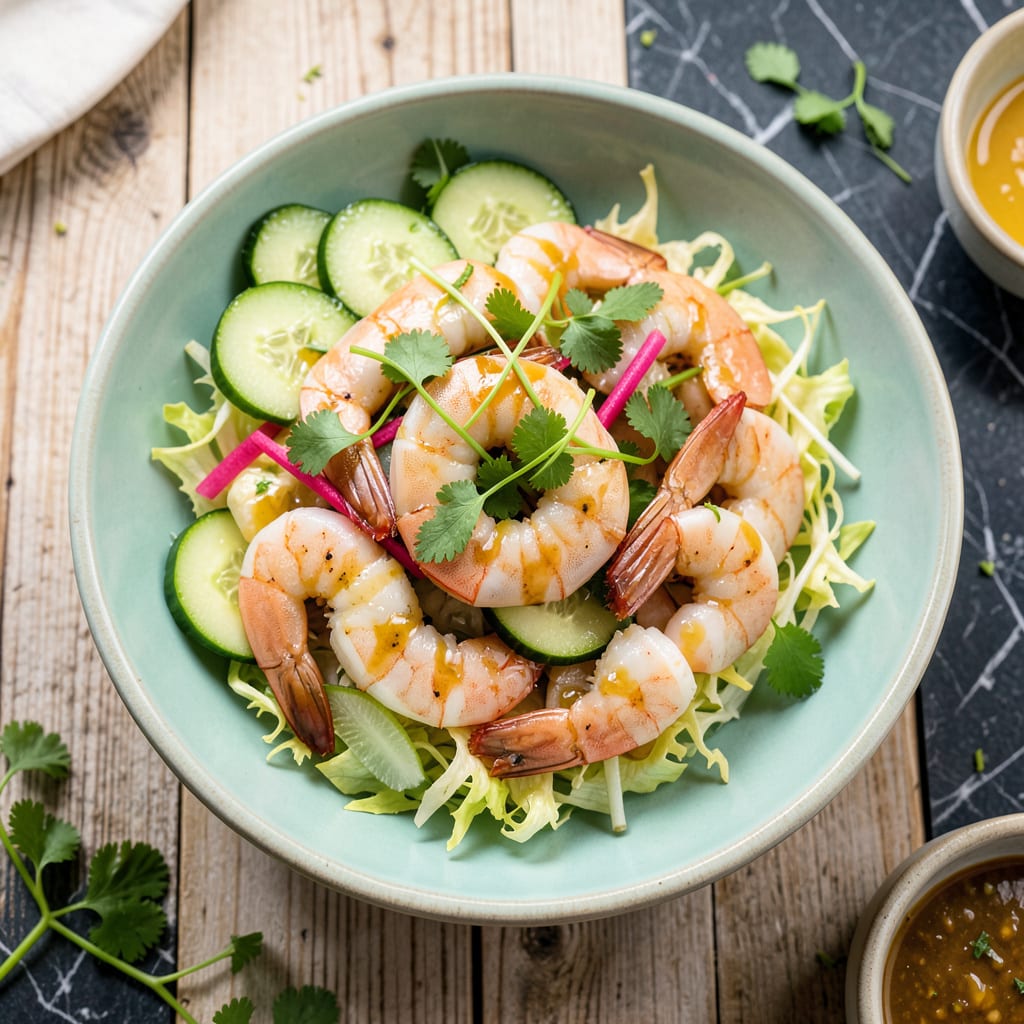
Let me tell you—nothing ruins a shrimp dish faster than that overpowering “fishy” taste that hits you like a wave. I’ve been cooking seafood for years, and I’ve cracked the code on how to transform shrimp from briny to buttery-sweet with just a few simple tricks. The secret isn’t masking the flavor—it’s understanding what causes that oceanic punch in the first place.
That unpleasant taste usually comes from compounds like trimethylamine (TMA) that build up in shrimp after harvesting. But here’s the good news: you can neutralize it with ingredients you already have in your kitchen. I’m talking about everyday pantry staples that work like flavor magic—no fancy equipment or hard-to-find ingredients required.
The methods I use—like a quick milk bath or citrus marinade—aren’t just old wives’ tales. There’s real science behind them. Acid breaks down those fishy compounds, while dairy absorbs them. And the best part? These techniques work whether you’re grilling, sautéing, or even just boiling shrimp for a simple salad.
I’ll walk you through exactly which methods work best for different cooking styles, plus share my go-to garlic butter shrimp recipe that puts these tricks to the test. You’ll be amazed at how something so simple can make your shrimp taste cleaner, sweeter, and more delicious than you thought possible.
📚 In This Guide
- What You’ll Need
- Instructions
- Tips and Common Mistakes
What Youll Need
- ● Fresh or frozen shrimp – 1 lb (peeled, deveined, and tails on/off based on preference). Opt for wild-caught or sustainably farmed for best flavor. ❄️
- ● Cold water – 4 cups (for soaking). Filtered or bottled works best to avoid chlorine tastes.
- ● Kosher salt or sea salt – 2 tbsp (for brine). Avoid iodized salt—it can add a metallic taste.
- ○ Baking soda – 1 tsp (optional, for extra tenderness).
- ● Lemon or lime – 1 (sliced, for soaking) or 2 tbsp bottled lemon juice (for acidity). 🍋
- ● Ice cubes – 1 cup (to keep water cold during soaking).
- ● Colander or fine-mesh strainer – for draining shrimp.
- ● Mixing bowl (large) – at least 2-quart capacity.
- ● Paper towels – for patting shrimp dry post-soak.
- ● Vodka or white wine – ¼ cup (helps remove fishy odors).
- ● Fresh herbs – 3-4 sprigs of parsley, thyme, or bay leaves (for aromatic soak).
- ● Milk or buttermilk – 1 cup (alternative soaking liquid for mildness).
Instructions for Removing Fishy Flavor from Shrimp
These simple steps will transform your shrimp from overly fishy to sweet and clean-tasting.
Rinse the Shrimp Under Cold Water
Start by placing your shrimp in a colander and rinsing them thoroughly under cold running water for at least 1 minute. I like to use my fingers to gently rub each piece while rinsing to help remove any surface residue that might contribute to that fishy taste.
This initial rinse removes any loose shell fragments, sand, or surface bacteria that can cause off flavors. Don’t skip this step—it’s your first line of defense against that unpleasant fishiness. The water should run clear by the time you’re finished.
Soak in a Saltwater Brine
Fill a large bowl with 4 cups of cold water and add ¼ cup of salt, stirring until completely dissolved. Submerge the shrimp in this brine and let them soak for 10-15 minutes. I’ve found this simple saltwater bath works wonders for drawing out impurities.
The salt helps to tighten the shrimp’s proteins, which can lock in moisture while pulling out any lingering fishy compounds. You’ll notice the water may become slightly cloudy—that’s the brine doing its work. After soaking, drain and rinse the shrimp again briefly under cold water.
Create a Flavorful Acid Bath
In a clean bowl, combine 2 cups of cold water with ¼ cup of lemon juice or white vinegar. Add the shrimp and let them soak for 5-7 minutes. The acid helps neutralize any remaining fishy odors while adding a bright, clean flavor to the shrimp.
You’ll see the shrimp’s color become more vibrant as the acid works its magic. Don’t leave them too long—just until you start to smell that fresh citrus aroma. Drain and give them one final quick rinse to remove any excess acid before cooking.
Pat Dry and Cook Immediately
Lay the shrimp on a clean kitchen towel or paper towels and pat them completely dry. I always take this extra moment because removing all surface moisture ensures better browning and prevents steaming when cooking. The shrimp should feel slightly tacky but not wet to the touch.
Now your shrimp are ready to cook using your preferred method—whether that’s sautéing, grilling, or boiling. You’ll notice the difference immediately: the shrimp will have a much cleaner, sweeter flavor with no lingering fishiness. Cook them right away for best results, as the cleaning process works best when followed directly by cooking.
Tips and Common Mistakes
These simple but powerful techniques will help you get the most out of each step, ensuring your shrimp turns out perfectly sweet and clean-tasting every time.
The Rinse Technique: In Step 1, that 1 minute of rinsing under cold water is more important than it seems. I use my fingertips to gently scrub each shrimp while the water runs—this physical action removes surface bacteria and residue that cold water alone might miss. The water should run completely clear by the end, which tells you you’ve removed the initial layer of impurities that contribute to fishy flavor.
Brine Precision: For Step 2, the 10-15 minute saltwater soak is your secret weapon. I’ve found that 10 minutes works perfectly for medium-sized shrimp, while larger shrimp benefit from the full 15 minutes. The water will turn slightly cloudy—that’s the brine drawing out impurities. Don’t skip the brief rinse afterward; it removes excess salt while keeping the cleaning benefits.
Acid Bath Timing: In Step 3, those 5-7 minutes in the acid solution are critical. The shrimp will visibly brighten in color as the acid neutralizes odors. I pull them out at exactly 5 minutes for a subtle citrus note, or 7 minutes if I want a more pronounced clean flavor. The moment you smell that fresh citrus aroma, they’re ready—this is your sensory cue that the process is complete.
Drying for Success: Step 4’s drying process is what separates good shrimp from great shrimp. I lay them out on a clean towel and press gently but firmly with another towel on top. The shrimp should feel just slightly tacky—this ensures they’ll sear properly when cooked rather than steaming in their own moisture. This step also prevents the shrimp from absorbing excess oil when cooking.
Pro Tips for Make Shrimp Taste Less Fishy
- These simple but powerful techniques will help you get the most out of each step, ensuring your shrimp turns out perf…
- The Rinse Technique: In Step 1, that 1 minute of rinsing under cold water is more important than it seems. I use my f…
- Brine Precision: For Step 2, the 10-15 minute saltwater soak is your secret weapon. I’ve found that 10 minutes works …
Frequently Asked Questions
Can I use lemon juice to remove the fishy smell from shrimp?
Lemon juice is a powerhouse for neutralizing fishy odors. Soak shrimp in cold water with 1-2 tablespoons of lemon juice (or vinegar) for 10-15 minutes before cooking. The acid breaks down trimethylamine (the compound causing the smell), leaving a fresher taste. Rinse well afterward to avoid over-acidifying.
How long should I soak shrimp in milk to reduce fishiness?
For best results, soak shrimp in whole milk or buttermilk for 20-30 minutes. The casein in milk binds to fishy compounds, lifting them away. Pat dry before cooking to avoid steaming. Pro tip: Add a pinch of salt to the milk for extra odor-fighting power!
What’s the fastest way to make shrimp taste less fishy if I’m in a hurry?
Try the ice bath + baking soda trick! Mix 1 quart cold water with 1 tbsp baking soda, add shrimp, and swirl for 5 minutes. Rinse immediately. This neutralizes odors without requiring long soaking. Follow with a quick pat-dry and high-heat cooking (like stir-frying) for best results.
Are there any spices or herbs that can mask fishy flavors in shrimp?
Yes! Bold flavors like garlic, ginger, paprika, or bay leaves work wonders. Simmer shrimp in broth with these aromatics, or marinate with 1 tsp smoked paprika + 2 crushed garlic cloves for 15 minutes. Fresh herbs (dill, parsley) also brighten the taste—add them at the end of cooking.
Why does my shrimp still taste fishy after cooking? What did I go wrong?
Common mistakes include:
- Overcrowding the pan (steams instead of sears—use high heat!).
- Skipping the rinse after soaking (residue can intensify flavors).
- Using stale shrimp (always check for a mild ocean smell, not ammonia).
With these simple tricks—like soaking in milk or citrus, proper cleaning, and smart cooking methods—you can turn even the fishiest shrimp into a sweet, delicate delicacy every time. 🍤✨ No more holding your nose or masking flavors with heavy sauces!
Ready to put it to the test? Grab a pound of shrimp and try the lemon-brine method for your next stir-fry or tacos—your taste buds (and dinner guests) will thank you. Happy cooking!

Trained in classic French technique but raised on slow-cooked ribs and spicy rubs, she blends culinary skill with smoke and soul.
- Recipe for Boneless Pork Chops in Cast Iron Skillet: Sear and Baste to Juicy Perfection - October 3, 2026
- Recipe for Boneless Cross Rib Roast: Slow-Roasted Beef with Herb Crust - October 3, 2026
- Hamburgers in Sauce Recipe Crock Pot: Slow-Cooked Savory Delight - October 3, 2026