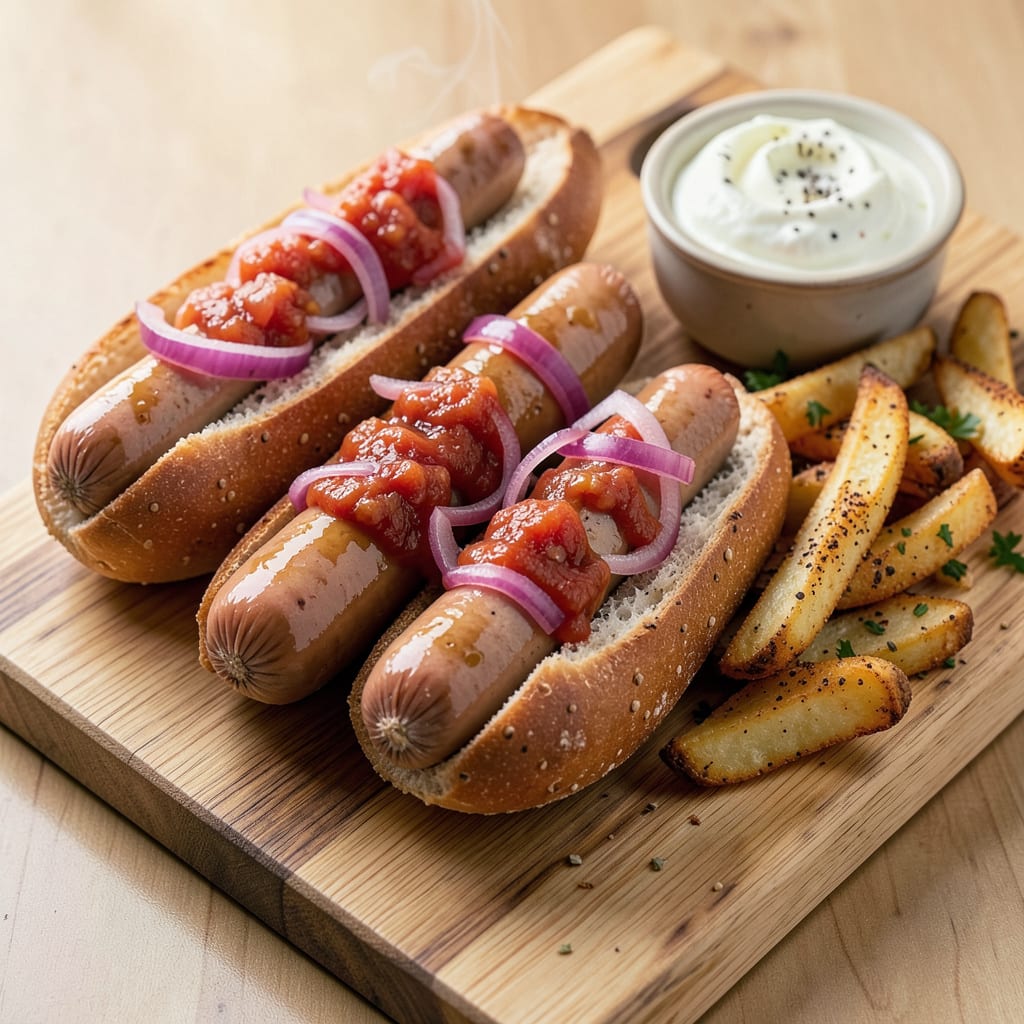
Hot dogs are a cookout staple, but that salty snap can add up fast—one standard frank can pack nearly 500mg of sodium, almost a quarter of the daily recommended limit. I’ve been tweaking my grilling game to cut back without sacrificing flavor, and the good news is, you don’t need to give up hot dogs entirely to make them healthier.
The simplest trick I swear by? A quick 5-minute rinse under cool water before cooking. It sounds too easy to work, but science backs it up—sodium naturally leaches out when exposed to water. Just don’t soak them (that turns them mushy). For even better results, boil them for 2-3 minutes first, then finish on the grill for that classic char.
Pairing matters too. I balance the salt by topping with fresh, low-sodium ingredients—think crisp lettuce, juicy tomatoes, and homemade relish instead of store-bought. Swapping the bun for a whole-grain version or even a lettuce wrap cuts sodium further while adding texture. Small changes that make a big difference.
If you’re ready to go all-in, try low-sodium brands or make your own dogs from ground turkey/chicken. Either way, you’ll still get that cookout vibe—just with less of the salt overload. Here’s how to do it right.
📚 In This Guide
- What You’ll Need
- Instructions
- Tips and Common Mistakes
What Youll Need
- ● Low-sodium hot dogs: 1 pack (8–10 dogs) with ≤300mg sodium per serving (check labels for “no salt added” or “reduced sodium”).
- ● Fresh or homemade buns: 8–10 whole-wheat or low-sodium buns (or lettuce wraps for a bun-free option).
- ● Sodium-free seasonings: 1 tbsp each of garlic powder, onion powder, paprika, and black pepper (skip table salt!).
- ● Natural toppings: 1 cup diced fresh tomatoes, ½ cup chopped onions, 1 avocado (sliced), and ¼ cup fresh cilantro.
- ● Low-sodium condiments: 1 bottle sugar-free ketchup (≤50mg sodium per tbsp) or homemade mustard (Dijon or yellow).
- ○ Optional flavor boosters: 1 tbsp apple cider vinegar, 1 tsp smoked paprika, or a dash of hot sauce (sodium-free brands like Cholula).
- ● Tools: Grill or stovetop pan, tongs, mixing bowls, and a sharp knife for prep.
- ● Prerequisites: Basic cooking skills (grilling/stovetop) and 10–15 minutes of prep time. 🌭✨
Instructions
Here’s how to transform your cookout favorites into lower-sodium options without sacrificing flavor.
Choose Lower-Sodium Hot Dogs
Start by selecting hot dogs labeled “low-sodium,” “reduced-sodium,” or “no salt added.” I’ve found these options typically contain 30-50% less sodium than regular hot dogs while maintaining the classic taste. Look for brands that specifically advertise their sodium reduction—these are becoming more widely available in most grocery stores.
When shopping, compare nutrition labels and aim for hot dogs with 300mg or less sodium per serving. This simple swap alone can cut hundreds of milligrams of sodium from your meal. Don’t worry about sacrificing flavor—many of these lower-sodium options are seasoned with alternative spices that deliver the same satisfying taste.
Prepare Homemade Lower-Sodium Toppings
Instead of reaching for store-bought relish, sauerkraut, or ketchup (which are often loaded with sodium), make your own quick versions at home. For a simple relish, combine diced cucumbers, onions, and a splash of vinegar with a pinch of sugar. The natural flavors will shine through without needing added salt.
For sauerkraut, rinse canned or jarred versions under cold water for 30 seconds to remove excess sodium. If you have time, making fresh sauerkraut with just cabbage, caraway seeds, and vinegar gives you complete control over the sodium content. These homemade toppings add freshness and crunch while keeping your sodium intake in check.
Use Fresh, Flavorful Bun Alternatives
Regular hot dog buns can contain surprising amounts of sodium. Opt for whole grain buns or even better, use fresh baguettes or ciabatta rolls that are naturally lower in sodium. I like to lightly toast these alternatives to add texture without needing extra salt.
Another great option is to wrap your hot dog in a large lettuce leaf or serve it bunless with a side of fresh vegetables. This not only reduces sodium but also adds nutrients and fiber to your meal. If you do use traditional buns, check the label and choose options with 150mg or less sodium per serving.
Season with Sodium-Free Spice Blends
Boost flavor without adding sodium by creating your own spice blends. Combine smoked paprika, garlic powder, onion powder, and a touch of cayenne for a smoky, flavorful kick. These spices add depth and complexity to your hot dogs without any added salt.
I always keep a small jar of this blend ready for cookouts. Sprinkle it generously over your hot dogs before and after cooking. You can also mix it into your homemade toppings for an extra layer of flavor. The key is to focus on aromatic spices that naturally enhance taste without relying on salt.
Cook with Fresh, Sodium-Free Ingredients
When grilling or boiling your hot dogs, avoid adding salt to the water or using pre-seasoned cooking sprays. Instead, use fresh herbs like rosemary or thyme in the cooking water, or brush the hot dogs with a small amount of olive oil before grilling for extra flavor.
If you’re making a complete meal, serve your lower-sodium hot dogs with fresh, unprocessed sides like grilled vegetables, fruit salad, or a simple green salad. These complement the hot dogs perfectly while keeping your entire meal balanced and lower in sodium. The natural flavors of fresh ingredients will make your hot dogs taste even better.
Tips and Common Mistakes
These simple but effective strategies will help you master lower-sodium hot dogs while keeping all the flavor you love.
Shopping Smart: When selecting hot dogs in Step 1, don’t just grab the first “low-sodium” package you see. I’ve found that brands vary widely in both sodium content and flavor quality. Take an extra minute to compare labels and look for options with 300mg or less sodium per serving—this makes a significant difference in your final meal. The best-tasting lower-sodium hot dogs often use celery salt or other natural seasonings to maintain that classic hot dog flavor without the sodium overload.
Rinsing Technique: For the sauerkraut in Step 2, that 30-second rinse under cold water is more important than you might think. Use a fine-mesh strainer and really agitate the sauerkraut with your hands to remove as much excess sodium as possible. I like to taste a small piece after rinsing—if it still tastes overly salty, give it another quick rinse. This simple step can reduce the sodium content by up to 40% while keeping the tangy flavor we love.
Bun Selection Tip: In Step 3, when choosing bun alternatives, don’t overlook the bakery section of your grocery store. Fresh baguettes or ciabatta rolls often have little to no added sodium compared to packaged buns. I prefer to lightly toast them with a quick brush of olive oil—this adds texture and flavor without needing any salt. If you’re using traditional buns, remember that 150mg or less sodium per serving is the sweet spot for keeping your meal balanced.
Flavor Boosting: The spice blend in Step 4 is your secret weapon for making lower-sodium hot dogs taste just as satisfying as the original. I recommend making a bigger batch and storing it in an airtight container—it keeps well for months. Don’t be shy with the application either; these spices need to coat the hot dog generously to compensate for the reduced sodium. A quick sprinkle before and after cooking makes all the difference in flavor perception.
Pro Tips for Reduce Sodium In Hot Dogs
- These simple but effective strategies will help you master lower-sodium hot dogs while keeping all the flavor you love.
- Shopping Smart: When selecting hot dogs in Step 1, don’t just grab the first “low-sodium” package you see. I’ve found…
- Rinsing Technique: For the sauerkraut in Step 2, that 30-second rinse under cold water is more important than you mig…
Frequently Asked Questions
Can I reduce sodium in hot dogs after they’re already cooked?
Yes! Rinse cooked hot dogs under warm water for 30 seconds to remove surface sodium, or soak them in water for 10–15 minutes before reheating. Blotting with a paper towel helps too. This won’t eliminate all sodium but can cut up to 30% of the excess.
What’s the fastest way to lower sodium when grilling hot dogs?
Opt for low-sodium or uncured hot dogs (check labels for <350mg per serving). If short on time, pair regular dogs with no-salt-added buns and load up on fresh toppings like diced cucumbers, avocado, or sauerkraut to balance the meal.
Are there good sodium-free alternatives to traditional hot dogs?
Try:
- Chicken or turkey dogs (often 50% less sodium)
- Plant-based dogs (brands like Beyond Meat or Field Roast)
- Homemade dogs (use lean ground meat + herbs instead of salt).
Why do low-sodium hot dogs taste bland? How can I fix this?
Sodium enhances flavor, so low-sodium versions may taste flat. Boost taste with:
- Smoky spices (paprika, garlic powder, onion powder)
- A splash of vinegar or lemon juice
- Fresh herbs like cilantro or dill in toppings.
Do sodium-reduced hot dogs spoil faster?
Yes, sodium acts as a preservative, so low-sodium hot dogs may have a shorter fridge life (check the package—usually 3–5 days vs. 7+ for regular). Freeze extras in airtight bags to extend freshness up to 2 months.
Cutting back on sodium in hot dogs doesn’t mean sacrificing flavor—it’s all about smart swaps and mindful choices! 💪 By opting for low-sodium brands, boosting taste with herbs and spices, or even making homemade versions, you can enjoy your favorite cookout staple without the guilt. Small changes add up to big health benefits over time.
Ready to take the next step? Try one of these tips at your next BBQ and see how easy (and delicious) it can be! For more healthy grilling ideas, check out our guide to nutritious summer recipes—your taste buds and heart will thank you. 😊

Trained in classic French technique but raised on slow-cooked ribs and spicy rubs, she blends culinary skill with smoke and soul.
- Recipe for Boneless Pork Chops in Cast Iron Skillet: Sear and Baste to Juicy Perfection - October 3, 2026
- Recipe for Boneless Cross Rib Roast: Slow-Roasted Beef with Herb Crust - October 3, 2026
- Hamburgers in Sauce Recipe Crock Pot: Slow-Cooked Savory Delight - October 3, 2026