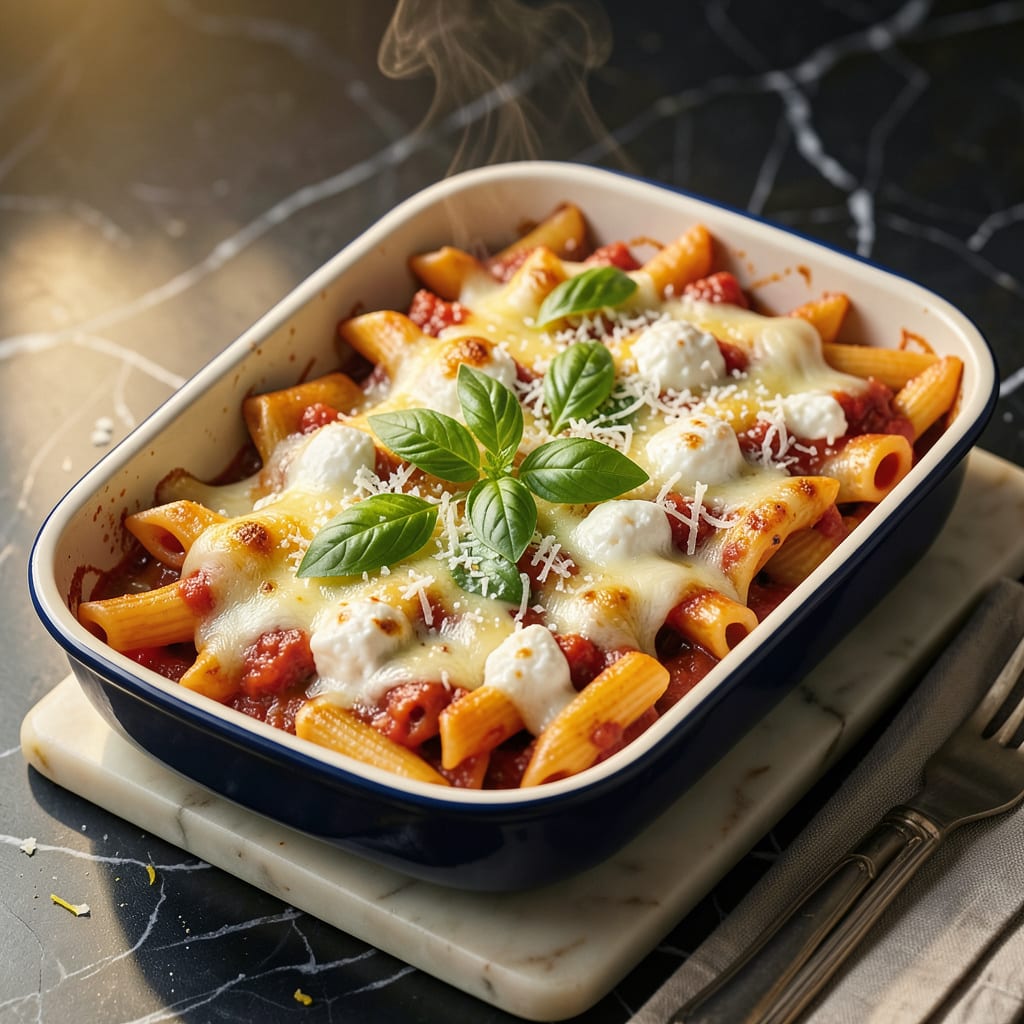
Preheat your oven to 350°F, place ziti in an oven-safe dish, cover tightly with foil, and bake for 20-25 minutes. Add a splash of water or sauce to prevent dryness before reheating.
As a chef who’s spent years perfecting pasta dishes, I’ve found that oven reheating transforms leftover ziti into something nearly as good as fresh. The gentle, surrounding heat ensures the noodles stay tender while the cheese melts evenly—no rubbery edges or scorched spots. 🔥 This method works especially well for baked ziti because it mimics the original cooking environment, allowing flavors to meld again without overcooking the pasta.
What most people overlook is the moisture factor—ziti absorbs liquid as it sits, so that extra splash of sauce or water isn’t just helpful, it’s essential. I always use ceramic dishes for this because they distribute heat more evenly than glass, preventing those dreaded dry patches around the edges.
💡 In This Article
- Why Oven Reheating Preserves Ziti’s Texture Best
- Pro Tips for Reheating Ziti Without Overcooking
Why Oven Reheating Preserves Ziti’s Texture Best
The oven’s dry, circulating heat creates the perfect environment for reviving ziti because it penetrates food from all sides simultaneously. Unlike microwaves that blast water molecules unevenly (causing hot spots and rubbery pasta), ovens maintain a steady 350°F temperature that gently warms the dish through conduction.
This even heat distribution prevents the cheese from separating while allowing the noodles to reabsorb moisture without turning mushy. 🔥
Foil coverage plays a critical role in moisture retention. When you seal ziti tightly under foil, you create a mini steam chamber where evaporated liquids condense and redistribute. Without this barrier, the surface would dry out while the center remains cold—a common microwave mishap.
The foil also reflects radiant heat back into the dish, ensuring the top layer doesn’t form a tough skin before the bottom warms through.
Here’s what happens at the molecular level: The starches in pasta that firmed up during refrigeration gradually relax in the oven’s heat, returning to their original tender state. Meanwhile, the proteins in cheese (casein) re-emulsify with the fat, preventing that grainy, separated texture you often get from microwaving.
This process takes about 20-25 minutes—long enough for thorough heating but not so long that the pasta overcooks.
Ceramic dishes outperform glass for this task because they retain heat more efficiently. A 2-quart ceramic baking dish will hold temperature better than Pyrex, meaning your ziti stays warm longer after coming out of the oven.
The porous nature of ceramic also helps distribute heat more evenly, eliminating cold spots that can make some bites feel underheated while others scorch.
That splash of water or sauce you add before reheating serves a dual purpose. First, it replaces moisture lost during refrigeration (pasta absorbs about 10-15% of its weight in liquid as it cools). Second, the added liquid creates steam when heated, which keeps the surface from drying out.
I recommend 2-3 tablespoons per cup of ziti—enough to restore creaminess without making the dish soggy. ✨
The oven method also gives you control over browning. If you love a crispy top layer, you can remove the foil for the last 5 minutes to let the cheese caramelize slightly. This two-stage approach—covered for moisture retention, then uncovered for texture—is what makes oven-reheated ziti taste intentionally prepared rather than just warmed up.

Trained in classic French technique but raised on slow-cooked ribs and spicy rubs, she blends culinary skill with smoke and soul.
- Recipe for Boneless Pork Chops in Cast Iron Skillet: Sear and Baste to Juicy Perfection - October 3, 2026
- Recipe for Boneless Cross Rib Roast: Slow-Roasted Beef with Herb Crust - October 3, 2026
- Hamburgers in Sauce Recipe Crock Pot: Slow-Cooked Savory Delight - October 3, 2026