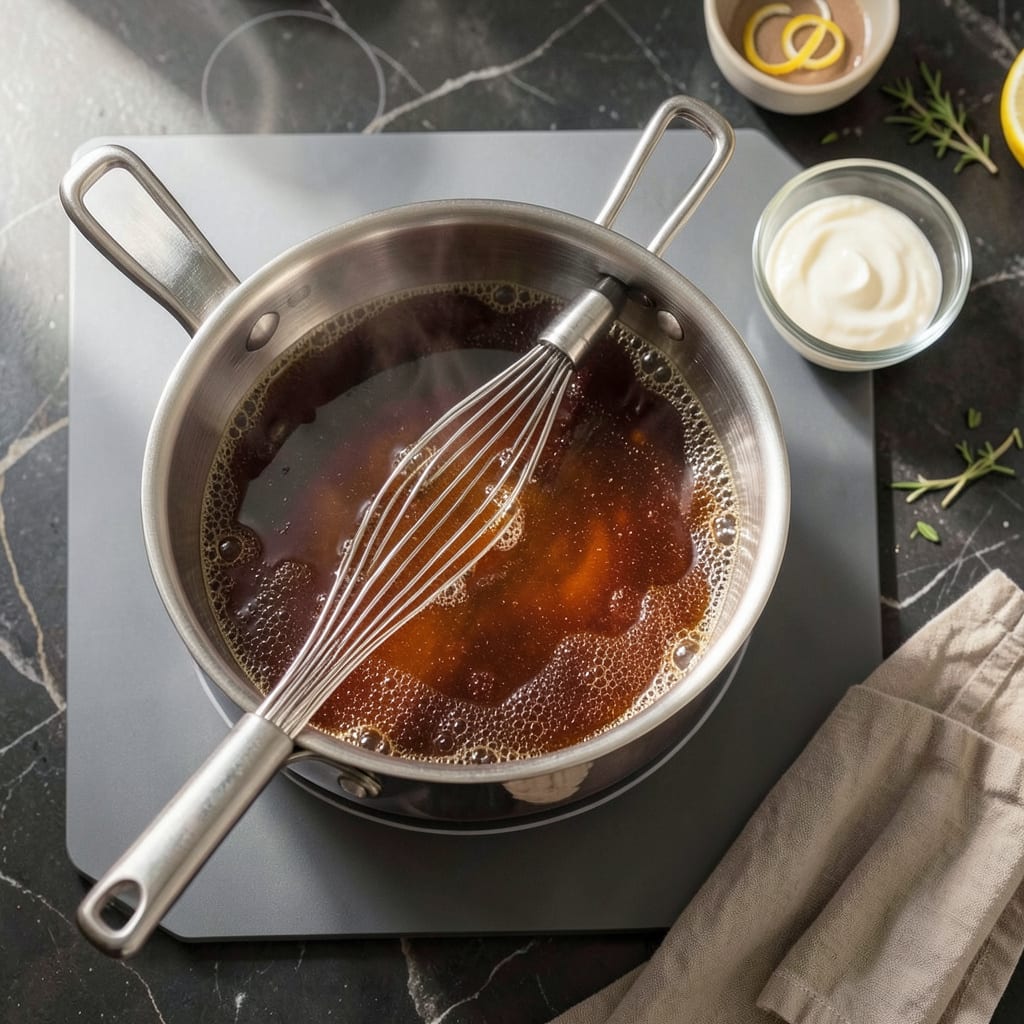
There’s nothing like a rich, velvety au jus to elevate a simple roast or sandwich from good to unforgettable. I’ve spent years perfecting the art of transforming those flavorful meat drippings into a sauce that’s thick enough to cling to your food but still light enough to let the meat’s natural flavors shine through. The right consistency makes all the difference between a forgettable meal and one that has everyone asking for seconds.
I’ll be real with you—thickening au jus isn’t about masking flavors, it’s about enhancing them. Whether you’re working with beef drippings from a Sunday roast or pan juices from a quick seared steak, the goal is the same: create a sauce with body that still tastes like the meat it came from. Too thin and it runs off your food, too thick and it becomes gravy. We’re aiming for that perfect middle ground where every bite gets just enough sauce.
The beauty of au jus is in its simplicity—just meat juices, aromatics, and a little technique. I’ve tried every method from classic roux to quick cornstarch slurries, and what works best depends on your timeline and flavor goals. Some techniques add richness while others keep things clean and light. The right approach can turn even the most basic pan drippings into something restaurant-worthy in minutes.
Perfect au jus should coat the back of a spoon lightly, glistening with just enough body to stay put. It’s the kind of sauce that makes French dip sandwiches legendary and turns simple roasted meats into showstoppers. Once you master the thickening process, you’ll never serve plain pan juices again—this is where home cooking gets its professional edge.
📚 In This Guide
- What You’ll Need
- Instructions
- Tips and Common Mistakes
What Youll Need
- ● Au jus (beef or pan drippings): 1–2 cups (strained, fat skimmed off) 🍖
- ● Thickening agent (choose one): Cornstarch: 1–2 tbsp (mixed with 2 tbsp cold water)
- ● Flour: 1–2 tbsp (all-purpose or Wondra for lump-free results)
- ● Arrowroot powder: 1 tbsp (for gluten-free, mix with cool liquid)
- ● Roux: 1 tbsp each butter + flour (cooked 2–3 mins for nutty flavor)
- ● Xanthan gum: ¼–½ tsp (for ultra-smooth, low-carb thickening)
- ● Tools: Small saucepan or skillet (nonstick recommended)
- ● Whisk or fork (for smooth blending)
- ● Measuring spoons (precision matters!)
- ○ Optional: Fine-mesh strainer (for extra-smooth texture)
- ● Prerequisites: Au jus cooled slightly (hot liquids can clump starches)
- ● Taste-test ready! Have salt, pepper, or Worcestershire sauce on hand for adjustments.
Instructions
Here’s the foolproof method to transform your thin au jus into a luxurious, velvety gravy in no time.
Strain and Skim the Au Jus
Begin by pouring your au jus through a fine-mesh strainer into a clean saucepan. This removes any solid bits that could interfere with the thickening process. I always use a strainer with small holes to catch even the tiniest particles.
Once strained, skim off any visible fat from the surface using a flat spoon. You want to keep the rich, meaty flavors but remove excess grease that would make your final gravy oily. This step ensures your thickened au jus has that perfect, clean mouthfeel we’re after.
Create a Simple Slurry for Instant Thickening
In a small bowl, whisk together equal parts cornstarch and cold water until completely smooth. I use about 1 tablespoon cornstarch mixed with 1 tablespoon water for every 1 cup of au jus as my starting point. The cold water prevents clumping and creates a perfect slurry.
Bring your strained au jus to a gentle simmer over medium heat. Whisk constantly as you slowly pour in the cornstarch slurry. You’ll see the liquid transform right before your eyes – it should coat the back of a spoon within 1-2 minutes of simmering.
Simmer and Reduce for Maximum Flavor
Once thickened, reduce the heat to low and let the au jus simmer gently for 5-7 minutes. This extra time allows the flavors to concentrate and the cornstarch to fully activate. You’ll notice the gravy becomes glossier and more velvety as it simmers.
Taste and adjust seasoning if needed – sometimes the thickening process can slightly mute flavors. I often add a pinch more salt or a splash of Worcestershire sauce at this stage to boost the umami notes. The perfect consistency should be thick enough to coat a spoon but still pourable.
Finish with Butter for Extra Richness
Remove the saucepan from heat and stir in 1-2 tablespoons of cold butter until completely melted. This final step, called “mounting with butter,” adds incredible richness and a beautiful sheen to your au jus. The butter should emulsify into the gravy, creating that restaurant-quality finish.
Let the gravy rest for 2-3 minutes before serving. This brief rest allows the consistency to stabilize. You’ll know it’s perfect when it flows smoothly from your spoon but leaves a light coating on the back. Serve immediately while still warm and velvety smooth.
Tips and Common Mistakes
Transforming thin au jus into velvety gravy is all about technique—here’s how to nail it every time.
The Slurry Secret: When making your cornstarch slurry in Step 2, use ice-cold water instead of room temperature. This prevents premature activation and ensures the cornstarch disperses perfectly when it hits the hot au jus. I learned this trick after dealing with stubborn lumps in my early cooking days—it’s a total game-changer!
Heat Control: That 1-2 minutes of simmering after adding the slurry is critical. You’ll see the transformation happen right before your eyes, but don’t walk away! Keep whisking constantly at medium heat to prevent scorching on the bottom while the edges thicken. The moment it coats the back of a spoon, you’re ready for the next step.
Butter Emulsion: In Step 4, the 1-2 tablespoons of cold butter might seem small, but it’s mighty! Make sure your butter is truly cold—straight from the fridge—so it emulsifies properly into the hot gravy. This creates that signature silky texture and glossy finish that makes restaurant gravies so irresistible.
Resting Period: Those final 2-3 minutes of resting might feel unnecessary when you’re hungry, but they’re crucial. This brief pause lets the gravy stabilize so it doesn’t separate when served. I always use this time to taste and make final seasoning adjustments—it’s your last chance to perfect the flavor!
Pro Tips for Thicken Au Jus
- Transforming thin au jus into velvety gravy is all about technique—here’s how to nail it every time.
- The Slurry Secret: When making your cornstarch slurry in Step 2, use ice-cold water instead of room temperature. This…
- Heat Control: That 1-2 minutes of simmering after adding the slurry is critical. You’ll see the transformation happen…
Frequently Asked Questions
Can I use cornstarch instead of flour to thicken au jus?
Cornstarch creates a glossier, clearer sauce than flour. Mix 1 tablespoon cornstarch with 2 tablespoons cold water per cup of au jus, then whisk into simmering liquid. Cook for 1-2 minutes until thickened. Avoid boiling—it can break down the starch and thin the sauce.
How long does it take for au jus to thicken?
Most thickeners (flour, cornstarch, or roux) work in 3-5 minutes over medium heat. For roux-based jus, expect 5-10 minutes total (including cooking the roux). Patience is key—rushing with high heat can cause lumps or scorching. Stir frequently!
Why is my au jus lumpy after thickening?
Lumps usually mean the thickener (flour/cornstarch) wasn’t fully dissolved before heating. Fix it by straining through a fine-mesh sieve or blending with an immersion blender. Pro tip: Whisk dry thickeners into cold liquid first to prevent clumps.
What’s the best thickener for a gluten-free au jus?
Try cornstarch, arrowroot powder, or potato starch (1:1 swap for flour). For extra richness, blend in 1-2 tablespoons mashed potatoes or a splash of gluten-free soy sauce (reduces while thickening). Always check labels for hidden gluten!
Can I thicken au jus after it’s been refrigerated?
Yes! Reheat the jus gently, then whisk in a slurry (cornstarch + cold water) or a beurre manié (equal parts soft butter + flour). If it’s too salty after reducing, balance with a pinch of sugar or dash of cream. Avoid over-reducing—it can turn bitter!
Thickening au jus doesn’t have to be complicated—whether you use a roux, cornstarch slurry, or reduction, the key is patience and the right technique. With these simple methods, you can turn a thin, flavorful broth into a rich, velvety gravy that elevates any dish! 🍽️
Now that you’ve mastered the basics, why not experiment with flavors? Try adding a splash of red wine, a sprinkle of herbs, or even a dash of Worcestershire sauce for extra depth. Your perfect au jus is just a whisk away!

Trained in classic French technique but raised on slow-cooked ribs and spicy rubs, she blends culinary skill with smoke and soul.
- Recipe for Boneless Pork Chops in Cast Iron Skillet: Sear and Baste to Juicy Perfection - October 3, 2026
- Recipe for Boneless Cross Rib Roast: Slow-Roasted Beef with Herb Crust - October 3, 2026
- Hamburgers in Sauce Recipe Crock Pot: Slow-Cooked Savory Delight - October 3, 2026