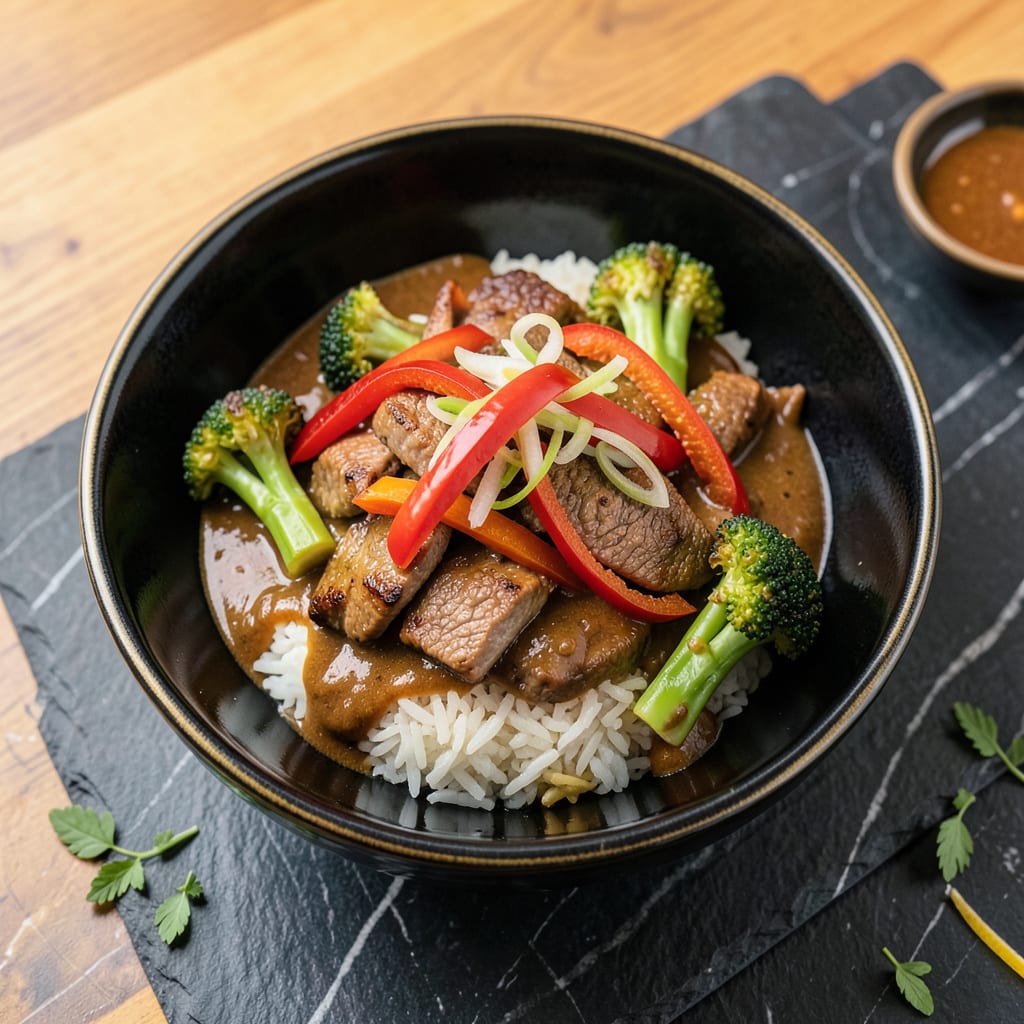
Nothing ruins a stir-fry faster than a watery sauce that slides right off your veggies and protein. I’ve been there—standing over a sizzling wok, watching my carefully prepped ingredients swim in sad, thin liquid. The good news? Fixing it takes less than a minute with the right technique, and I’m sharing my go-to methods that work every time.
Here’s the thing—most home cooks overcomplicate sauce thickening. You don’t need fancy ingredients or hours of reduction. My three favorite methods (cornstarch slurry, quick reduction, and nut butter trick) all use pantry staples and deliver that glossy, restaurant-quality coating that clings to every bite. The cornstarch method is my secret weapon—it creates that perfect, slightly sticky consistency without altering the flavor.
What you’ll get is sauce that transforms your stir-fry from soggy to spectacular. No more pooling liquid at the bottom of your plate, no more flavorless broth. Just rich, velvety sauce that evenly coats your ingredients and makes every bite pop. And if you accidentally go too far? A splash of broth or citrus juice brings it right back.
Between you and me, this is where most stir-fries succeed or fail. Master these simple techniques, and you’ll never have to worry about weak sauce again. Let’s get that wok working for you instead of against you.
📚 In This Guide
- What You’ll Need
- Instructions
- Tips and Common Mistakes
What Youll Need
- ● Stir-fry sauce base – 1 to 1½ cups (homemade or store-bought; low-sodium preferred for better control 🌡️).
- ● Thickening agents (pick one): Cornstarch slurry – 1 to 2 tbsp cornstarch + 2 tbsp cold water (mixed smooth).
- ● Arrowroot powder – 1 tbsp + 1 tbsp water (gluten-free option ✨).
- ● Reduced sauce – no extra ingredients (just simmer time ⏰).
- ● Tools: Small bowl (for slurry mixing).
- ● Whisk or fork (essential for lump-free results!).
- ● Non-stick skillet or wok (medium-high heat 🔥).
- ○ Optional: Fine-mesh strainer (for ultra-smooth texture).
- ● Prerequisites: Sauce already simmering in the pan (hot liquid = better thickening).
- ● Taste-test ready! Adjust seasoning after thickening (salt, soy sauce, or honey).
Instructions
Here are three foolproof methods to transform your runny stir fry sauce into a glossy, restaurant-quality coating.
Create a Cornstarch Slurry for Instant Thickening
This is my go-to method when I need quick, reliable results. In a small bowl, mix together equal parts cornstarch and cold water – I typically use about 1 tablespoon cornstarch with 1 tablespoon water for every 1 cup of sauce you want to thicken. The cold water is crucial because it prevents the cornstarch from clumping when it hits the hot sauce.
Whisk the slurry vigorously until completely smooth with no lumps remaining. You’re looking for a consistency similar to heavy cream. I always make a little extra slurry just in case I need to adjust the thickness later – it’s easier to add more than to thin out an over-thickened sauce.
With your stir fry cooking at a steady simmer, slowly drizzle in the slurry while stirring constantly with a wooden spoon or spatula. You’ll notice the sauce begin to thicken almost immediately. Cook for an additional 30-60 seconds after adding the slurry to ensure the raw cornstarch taste cooks out completely.
Reduce the Sauce for Deeper Flavor
When I want to intensify the flavors while thickening, I use the reduction method. After your stir fry ingredients are cooked, remove them from the wok or skillet and set aside. This prevents overcooking while you work on the sauce. Turn the heat up to medium-high and let the sauce come to a vigorous simmer.
As the liquid reduces, you’ll see it become more concentrated and start to coat the back of a spoon. Stir frequently with a spatula, scraping up any browned bits from the bottom of the pan – these add tremendous flavor. The reduction process typically takes 3-5 minutes, but watch carefully as it can go from perfect to burnt quickly.
You’ll know it’s ready when the sauce has reduced by about half and leaves a clear path when you drag a spoon through it. At this point, return your stir fry ingredients to the pan and toss everything together for 1-2 minutes to reheat and coat evenly. This method creates a sauce with incredible depth of flavor.
Use the Cold Butter Technique for Silky Finish
For a rich, velvety sauce that clings beautifully to your stir fry ingredients, I love the cold butter method. Start by cutting 2-3 tablespoons of unsalted butter into small cubes and place them on a plate in the refrigerator to keep them very cold. This technique works best when the butter stays solid until it hits the hot sauce.
Once your stir fry is fully cooked, remove the pan from heat and immediately add the cold butter cubes one at a time, whisking vigorously after each addition. The butter will melt slowly, creating an emulsion that thickens the sauce naturally. You’ll see the sauce transform from liquid to a glossy, luxurious consistency right before your eyes.
Continue whisking until all the butter is incorporated and the sauce coats the back of a spoon. The sauce should look shiny and feel slightly thicker when you drag your finger through it. Return the pan to very low heat for 30 seconds if needed to fully incorporate the butter, but don’t let it boil or the sauce may break. This method adds incredible richness and body to your stir fry sauce.
Tips and Common Mistakes
Mastering these simple techniques will help you avoid common pitfalls and achieve that perfect glossy stir fry sauce every time.
Slurry Success: When making the cornstarch slurry in Step 1, the water temperature is everything. I always use ice-cold water because it prevents the cornstarch from activating prematurely, which would create lumps. Whisk until completely smooth—you should see no visible grains when you hold it up to the light. Remember to cook it for that full 30-60 seconds after adding to eliminate any raw starch taste.
Reduction Watch: For Step 2, medium-high heat is ideal, but here’s what nobody tells you—your pan size matters. A wider pan means faster reduction, while a deep pan takes longer. During those 3-5 minutes, stir constantly and watch for the sauce to develop that telltale sheen where it coats the back of your spoon. If it starts to smell acrid, you’ve gone too far—remove from heat immediately.
Butter Technique: The cold butter method in Step 3 requires patience. Cut your 2-3 tablespoons of unsalted butter into uniform cubes—this ensures even melting. Add them one at a time while whisking vigorously off the heat. If you need to return to heat, keep it very low for just 30 seconds maximum. The sauce should look like satin when properly emulsified, not greasy or separated.
Consistency Check: No matter which method you use, here’s my professional trick: do the spoon test. Drag a spoon through your finished sauce—it should leave a clear path that holds for a second before slowly filling in. If it runs together immediately, it needs more thickening. If the path stays open too long, you’ve over-thickened and should add a splash of water.
Pro Tips for Thicken Stir Fry Sauce
- Mastering these simple techniques will help you avoid common pitfalls and achieve that perfect glossy stir fry sauce …
- Slurry Success: When making the cornstarch slurry in Step 1, the water temperature is everything. I always use ice-co…
- Reduction Watch: For Step 2, medium-high heat is ideal, but here’s what nobody tells you—your pan size matters. A wid…
Frequently Asked Questions
Can I thicken stir fry sauce after cooking it?
Yes! If your sauce is too thin, remove the stir fry from heat and mix 1 tsp cornstarch with 1 tbsp cold water. Stir it into the sauce, then simmer for 1-2 minutes. Repeat if needed—just avoid overcooking, or flavors may dull.
What’s the fastest way to thicken stir fry sauce?
A slurry (cornstarch + cold water) works in under 2 minutes! Mix 1:1 ratio, stir into the sauce, and heat until glossy. For instant results, use arrowroot powder—it thickens at lower temps than cornstarch.
Can I use flour instead of cornstarch?
Yes, but it’s trickier! Flour needs cooking out (5+ minutes) to lose its raw taste. For 1 cup sauce, whisk 1 tbsp flour with 2 tbsp cold water, then simmer. Cornstarch is still the top pick for a silky, lump-free finish.
Why did my stir fry sauce turn gummy or lumpy?
Over-thickening or high heat are usual culprits! Always temper cornstarch slurries (mix with cold liquid first) and stir constantly. If lumps form, strain the sauce or blend briefly with an immersion blender.
Are there low-carb alternatives to cornstarch?
Absolutely! Try xanthan gum (¼ tsp per cup), konjac powder, or reduced unflavored gelatin. For keto-friendly options, simmer sauce longer to reduce naturally—just watch the saltiness!
Thickening your stir fry sauce doesn’t have to be tricky—just remember cornstarch slurries, reduction, or natural thickeners like purees or nut butters for that perfect glossy finish. 🍜 A little patience and the right technique can turn a watery sauce into a restaurant-worthy coating every time!
Now that you’ve got the know-how, grab your wok and experiment with these methods on your next stir fry. Which one will you try first? Share your favorite thickened sauce combo in the comments—we’d love to hear your kitchen wins! 👩🍳

Trained in classic French technique but raised on slow-cooked ribs and spicy rubs, she blends culinary skill with smoke and soul.
- Recipe for Boneless Pork Chops in Cast Iron Skillet: Sear and Baste to Juicy Perfection - October 3, 2026
- Recipe for Boneless Cross Rib Roast: Slow-Roasted Beef with Herb Crust - October 3, 2026
- Hamburgers in Sauce Recipe Crock Pot: Slow-Cooked Savory Delight - October 3, 2026