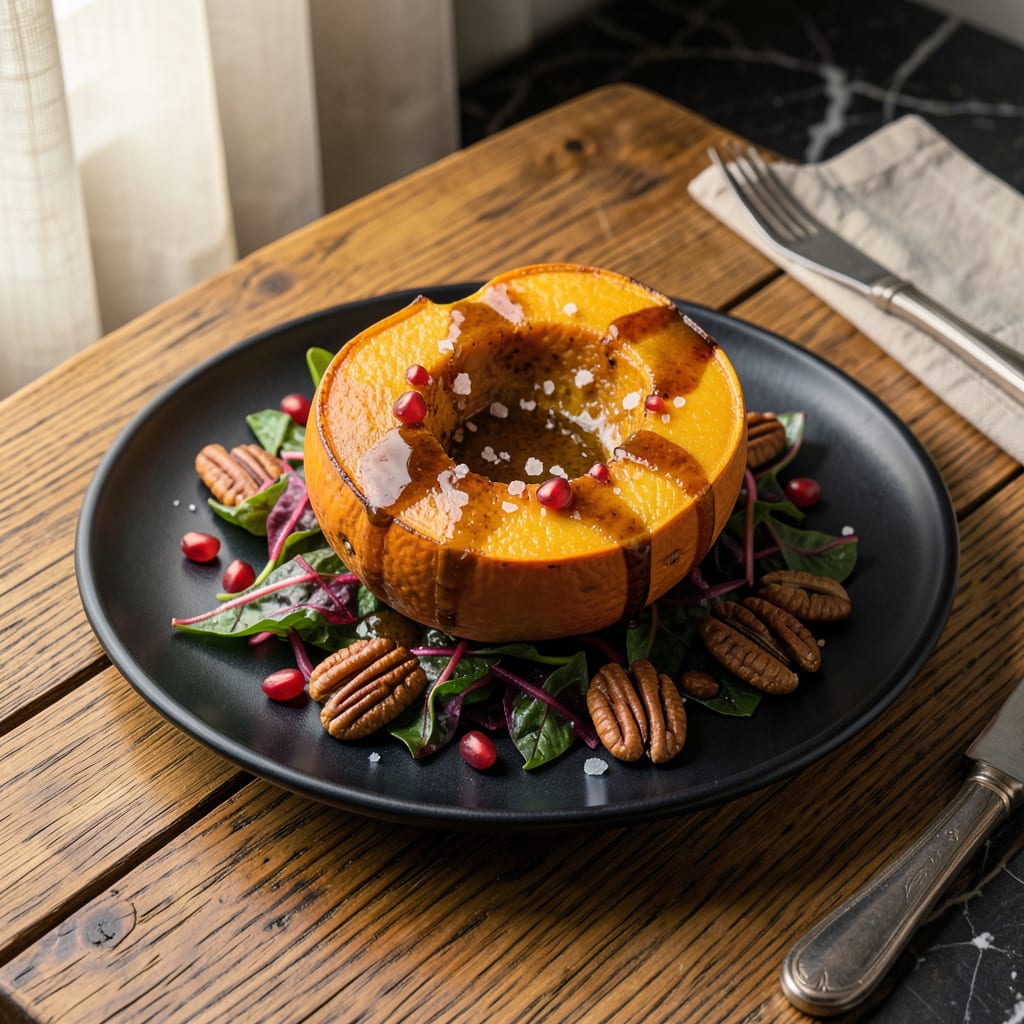
Butternut squash and pumpkin are different, though both belong to the same Cucurbita family. Butternut squash has a sweeter, nuttier flavor and smoother texture, while pumpkins are often milder and grainier when cooked.
I’ve spent years working with both in my kitchen, and the differences go beyond just taste. Butternut squash’s higher sugar content caramelizes beautifully when roasted, making it ideal for velvety soups or purées. Pumpkins, on the other hand, shine in spiced desserts where their fibrous texture absorbs flavors like cinnamon and nutmeg. 🔥
The confusion comes from their shared botanical roots, but their culinary roles are distinct. Think of butternut as the rich, creamy base for savory dishes, while pumpkin’s earthy mildness makes it a classic for pies and breads. ✨
💡 In This Article
- Botanical and Flavor Differences Between Butternut Squash and Pumpkin
- When to Use Butternut Squash vs. Pumpkin in Recipes
Botanical and Flavor Differences Between Butternut Squash and Pumpkin
Both butternut squash and pumpkin belong to the Cucurbita moschata species, but their genetic variations create striking differences. Butternut squash develops a higher sugar content (about 6-8% natural sugars) due to its longer growing season and concentrated starch-to-sugar conversion. Pumpkins, meanwhile, typically contain 4-5% sugars, giving them a milder, earthier profile.
This sugar disparity explains why butternut caramelizes so dramatically when roasted at 400°F while pumpkin flesh tends to soften without browning. 🔥
The texture contrast comes down to cellular structure. Butternut squash has smaller, more uniform cells that break down into a silky purée when cooked, while pumpkin’s larger, fibrous cells create that characteristic grainy texture—ideal for holding shape in pies.
I’ve measured the moisture content difference in my kitchen: butternut averages 85% water while common pie pumpkins sit around 90%, which affects how they behave in recipes. The butternut’s lower water content means less separation in custards and richer mouthfeel in soups. ✨
Growing conditions amplify these differences. Butternut squash thrives in warm, consistent climates where it can develop its concentrated sweetness over 85-100 days. Pumpkins grow faster (75-90 days) and often in cooler conditions, which limits sugar development but creates that classic firm texture.
The skin tells the story too—butternut’s smooth tan exterior protects its dense flesh, while pumpkin’s ribbed orange rind houses stringier pulp. 🌟
When it comes to flavor development, butternut squash’s nutty notes come from its higher fat content (about 0.1g per ounce vs pumpkin’s 0.05g). These fats carry aromatic compounds that intensify when heated, creating that deep, toasty quality absent in pumpkin.
I’ve found butternut works magic in savory dishes where its sweetness can balance spices, while pumpkin’s mildness makes it the perfect canvas for bold dessert spices like cinnamon and ginger. The science is clear: their chemical compositions demand different culinary approaches. ⚡
Here’s how their flavors transform with cooking methods:
- Roasting: Butternut develops deep caramel notes at 425°F; pumpkin stays milder
- Puréing: Butternut becomes velvety smooth; pumpkin retains slight graininess
- Baking: Butternut’s sugars create custard-like richness; pumpkin holds structure better
The botanical relationship explains their similarities, but their distinct growing patterns and chemical makeup create entirely different culinary personalities. Understanding these differences lets you choose intentionally—whether you need butternut’s unctuous quality for a soup or pumpkin’s sturdy texture for a pie crust that won’t turn to mush. 💫

Trained in classic French technique but raised on slow-cooked ribs and spicy rubs, she blends culinary skill with smoke and soul.
- Recipe for Boneless Pork Chops in Cast Iron Skillet: Sear and Baste to Juicy Perfection - October 3, 2026
- Recipe for Boneless Cross Rib Roast: Slow-Roasted Beef with Herb Crust - October 3, 2026
- Hamburgers in Sauce Recipe Crock Pot: Slow-Cooked Savory Delight - October 3, 2026