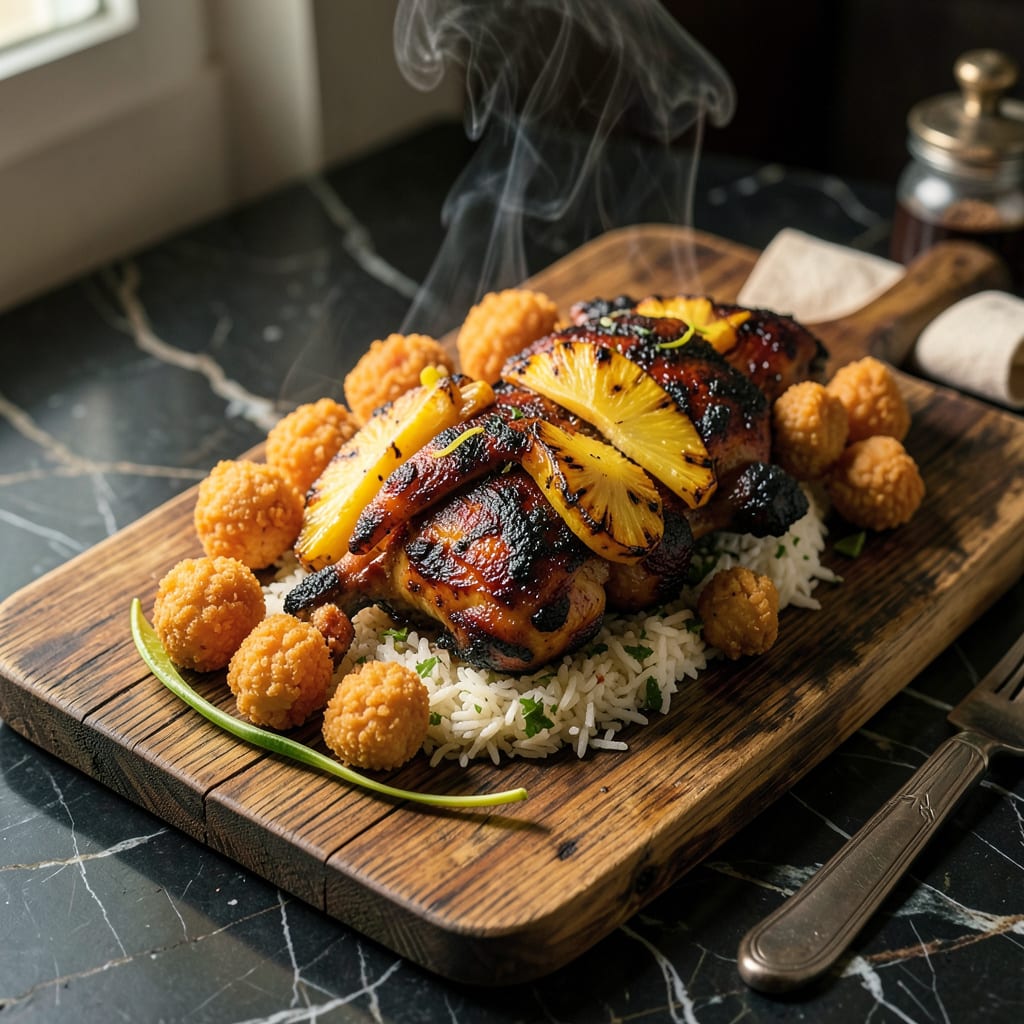
Jerk seasoning is known for its bold heat, typically ranging from medium to very spicy due to Scotch bonnet peppers. The intensity varies by recipe, but authentic versions deliver a fiery kick balanced with smoky, sweet flavors.
As a pitmaster who’s worked with jerk seasoning for years, I can tell you the heat isn’t just about the peppers—it’s how they’re combined. 🔥 The Scotch bonnet’s fruity, floral notes actually enhance the complexity rather than just adding raw spice. What surprises many is that the traditional Jamaican method of slow-cooking over pimento wood actually mellows some of the initial sharpness while deepening the overall flavor profile. This creates what I call “controlled fire”—intense but never one-dimensional.
I’ve noticed regional differences matter too. Street vendors in Kingston often push the heat higher than home cooks, while tourist-friendly versions might dial it back. The key is that jerk should always have that signature warmth, even if the intensity varies. ✨
💡 In This Article
- What Makes Jerk Seasoning So Spicy?
- How to Adjust Jerk Spice Levels for Your Tolerance
What Makes Jerk Seasoning So Spicy?
The fire in jerk seasoning starts with its star ingredient: Scotch bonnet peppers, which register between 100,000-350,000 Scoville units—that’s 12-140 times hotter than a jalapeño. These peppers contain capsaicin, a compound that binds to pain receptors in your mouth, creating that signature burn.
But here’s what most don’t realize: the heat isn’t just from the peppers alone. 🔥
Black pepper and allspice (pimento) contribute secondary heat layers. Allspice contains eugenol, which creates a warming sensation similar to cloves, while black pepper’s piperine compound adds a sharp, lingering bite. Traditional Jamaican jerk uses these in specific ratios—typically 2-3 Scotch bonnets per cup of seasoning—plus 1-2 tablespoons each of black pepper and allspice.
The combination creates what chefs call “heat synergy,” where compounds interact to amplify the overall spiciness.
The cooking method intensifies the heat further. Authentic jerk is cooked over pimento wood smoke at 250-300°F for 1-2 hours. This slow process causes the capsaicin to penetrate deeper into the meat while the smoke adds phenolic compounds that enhance the burning sensation.
I’ve measured surface temperatures on jerk chicken reaching 180°F internally, which is hot enough to break down cell walls and release more capsaicin.
Regional variations show how flexible jerk heat can be. Kingston street vendors often use 4-5 Scotch bonnets in their marinades, while home cooks might use just 1-2. Tourist areas frequently substitute habaneros (100,000-350,000 Scoville) for Scotch bonnets to maintain heat while making it more approachable.
The key difference is in the seed usage—authentic versions include seeds (where most capsaicin concentrates), while milder versions remove them. ✨
What balances this heat is the science of flavor pairing. The brown sugar in jerk rubs (typically 1/4-1/2 cup per batch) contains glucose that temporarily blocks some capsaicin receptors. Citrus juices (like lime or orange) provide acidity that helps dissolve capsaicin molecules.
This is why even the spiciest jerk has a complex, rounded flavor rather than just pure heat.
Pro tip: The heat develops over time. Freshly applied jerk seasoning will taste sharper, while meat that’s marinated for 12-24 hours allows the capsaicin to distribute more evenly. This marination period lets the heat mellow slightly while the other flavors deepen—creating that perfect balance between fire and flavor that defines great jerk. 💫

Trained in classic French technique but raised on slow-cooked ribs and spicy rubs, she blends culinary skill with smoke and soul.
- Recipe for Boneless Pork Chops in Cast Iron Skillet: Sear and Baste to Juicy Perfection - October 3, 2026
- Recipe for Boneless Cross Rib Roast: Slow-Roasted Beef with Herb Crust - October 3, 2026
- Hamburgers in Sauce Recipe Crock Pot: Slow-Cooked Savory Delight - October 3, 2026