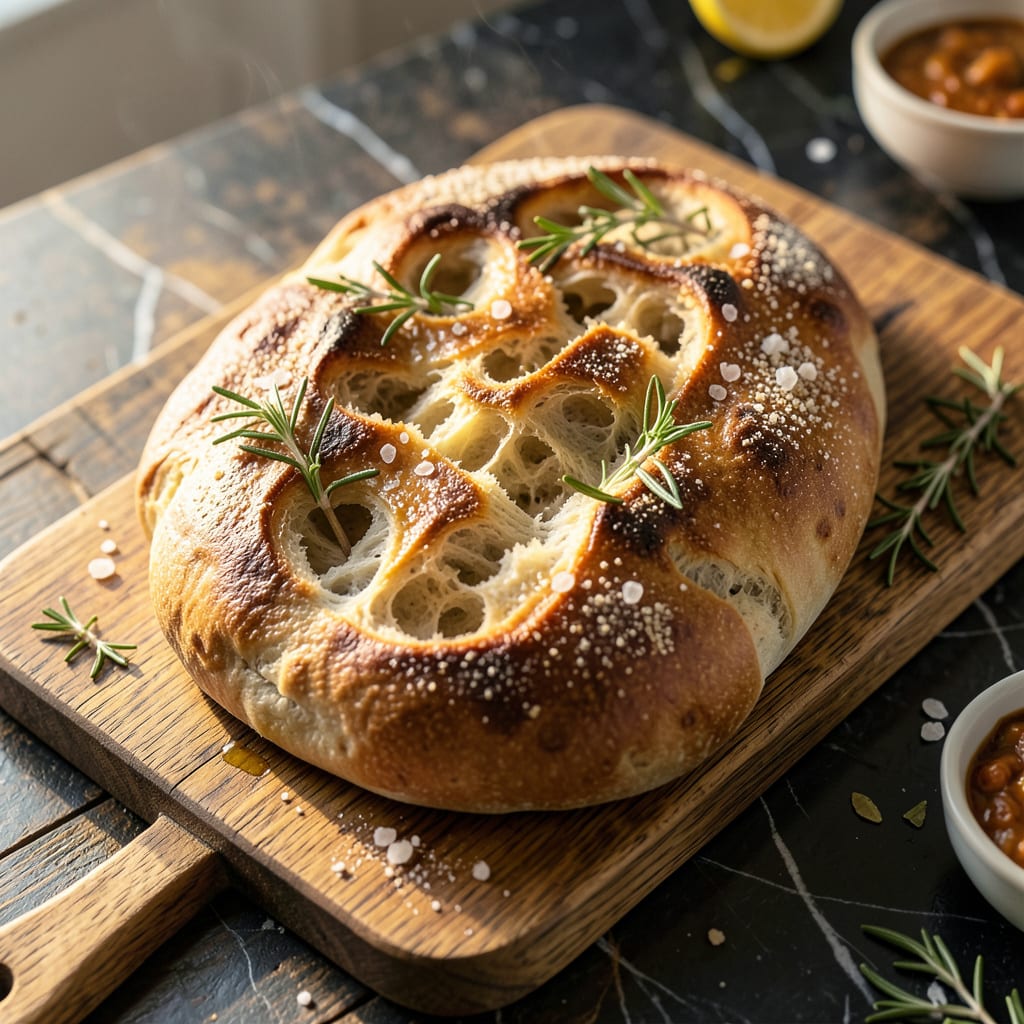
Pizza dough and bread share similar base ingredients—flour, water, yeast, and salt—but differ in hydration levels, fermentation time, and intended texture. Pizza dough is stretchier and thinner, while bread is structured for loaf formation.
Think of them as culinary cousins with very different careers. 🔥 The magic lies in how their ingredients are balanced and handled: pizza dough thrives on higher hydration (that’s more water relative to flour) to create that signature chewy, elastic base, while bread dough leans toward lower hydration for structure and height. I’ve seen bakers transform the same basic ingredients into either by tweaking just two things: water content and kneading time. That stretchy pizza crust you love? It comes from minimal kneading and a shorter rise, while your favorite sandwich loaf gets its pillowy softness from extended fermentation and careful shaping.
💡 In This Article
- Key Ingredient and Process Differences Between Pizza Dough and Bread
- When to Use Pizza Dough vs Bread Dough in Recipes
Key Ingredient and Process Differences Between Pizza Dough and Bread
At first glance, both start with the same quartet: flour, water, yeast, and salt. But here’s what’s actually happening behind the scenes. Pizza dough typically runs at 65-70% hydration (that’s 65-70 grams water per 100g flour), while bread dough usually sits around 60%.
That extra water makes pizza dough slack and stretchy—perfect for tossing—while bread dough stays firmer to hold its shape. The real game-changer? Olive oil in pizza dough (usually 1-2 tablespoons per 500g flour) versus butter in bread recipes, which creates entirely different textures when baked. 🔥
The fermentation process reveals even more differences. Bread dough often ferments for 12-24 hours to develop complex flavors and strong gluten networks, while pizza dough typically needs just 4-8 hours at room temperature (or overnight in the fridge for deeper flavor).
I’ve noticed that longer fermentation makes bread crusts crispier and interiors more open-crumbed, whereas pizza dough benefits from shorter fermentation to maintain that signature chewy yet tender bite. The gluten development also differs—bread gets extensive kneading for structure, while pizza dough often uses minimal mixing to preserve extensibility.
Temperature plays a crucial role too. Bread bakes at 350-375°F for 30-45 minutes to fully cook through, while pizza dough hits 475-500°F for just 10-15 minutes in a home oven (or 90 seconds in a wood-fired oven).
This high-heat, fast-bake approach creates pizza’s characteristic leopard-spotted crust through the Maillard reaction, while bread develops a more uniform golden-brown crust. The sugar content also varies—bread recipes often include 1-2 tablespoons to feed yeast, while pizza dough keeps it minimal to avoid excessive browning. ✨
What most people don’t realize is how mixing methods affect the final product. Bread dough undergoes vigorous kneading to develop gluten strands that trap gas for rise, while pizza dough often uses the “no-knead” approach or very gentle mixing. This creates a more relaxed gluten structure that stretches rather than resists.
I’ve found that even the type of flour matters—bread flour with 12-14% protein gives bread its structure, while pizza dough often uses 00 flour (about 11% protein) for that perfect balance between crisp and chew.
The shaping process reveals their different destinies. Pizza dough gets stretched thin to create that classic round base, while bread dough gets shaped into loaves, rolls, or boules with careful tension building. Even the scoring differs—bread gets decorative slashes to control oven spring, while pizza dough might get docked with a fork to prevent bubbles.
These small but critical differences transform the same basic ingredients into either a crispy-chewy vessel for toppings or a structured, sliceable loaf. 🌟
Here’s a quick comparison to visualize the differences:
- Hydration: Pizza 65-70% vs Bread 60%
- Fat: Olive oil (1-2 tbsp) vs Butter (2-4 tbsp)
- Fermentation: Pizza 4-8 hours vs Bread 12-24 hours
- Bake Temp: Pizza 475-500°F vs Bread 350-375°F
- Flour: Pizza 00 flour vs Bread bread flour
The next time you’re working with either dough, remember: those small percentage points in hydration and those extra minutes of fermentation make all the difference between a perfect pizza crust and a glorious loaf of bread. It’s all about understanding how each component wants to be treated to reach its full potential. ⚡

Trained in classic French technique but raised on slow-cooked ribs and spicy rubs, she blends culinary skill with smoke and soul.
- Recipe for Boneless Pork Chops in Cast Iron Skillet: Sear and Baste to Juicy Perfection - October 3, 2026
- Recipe for Boneless Cross Rib Roast: Slow-Roasted Beef with Herb Crust - October 3, 2026
- Hamburgers in Sauce Recipe Crock Pot: Slow-Cooked Savory Delight - October 3, 2026