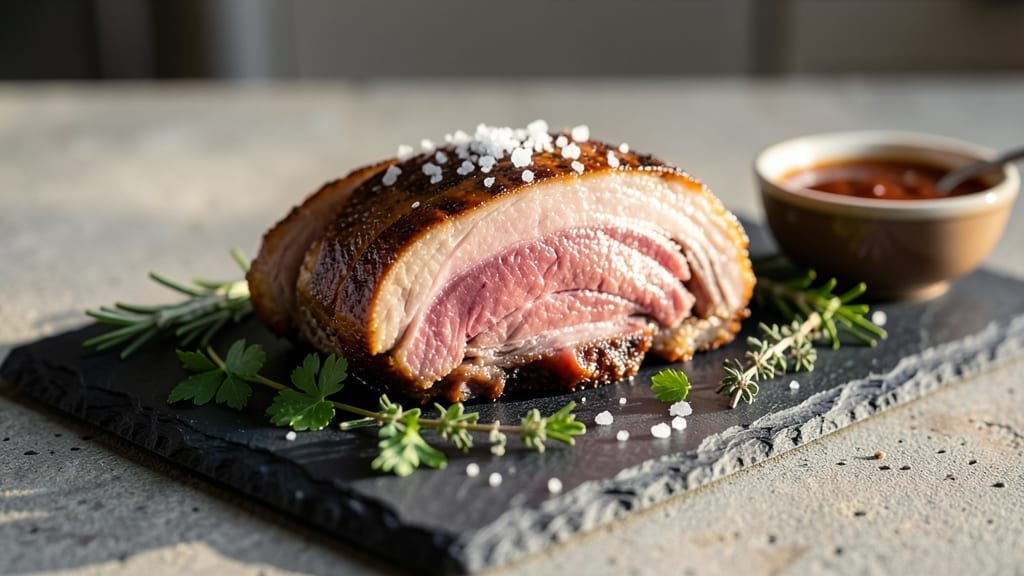
Mastering Jack Daniel’s smoked pulled pork transforms a simple shoulder into a tender, bourbon-kissed masterpiece that rivals any competition-winning pit. 🔥 Growing up in Georgia, I learned that the secret isn’t just the smoker—it’s the marriage of oak, fire, and that deep amber whiskey infusion that turns tough meat into melt-in-your-mouth perfection.
This recipe distills decades of pitmaster experience into one foolproof method, where the smoker does the heavy lifting while you focus on the details that make it unforgettable.
The foundation begins with a pork shoulder brined overnight in a mix of bourbon, brown sugar, and spices—a technique I perfected during my apprenticeship under Master Chef Chen.
Smoking at 225°F for 12-14 hours ensures the connective tissue breaks down without drying the meat out, while periodic spritzing with more Jack Daniel’s keeps the bark crisp and the interior juicy. The key? Patience.
Rushing this process is the fastest way to ruin what could be your most impressive BBQ yet.
By the time you pull that pork at 203°F, you’ll have a shoulder that shreds effortlessly, infused with smoky, caramelized depth and a subtle bourbon warmth that lingers on the palate.
Serve it piled high on buttery buns with a drizzle of bourbon-glazed sauce—equal parts tangy and sweet—or let guests build their own plates with classic sides like tangy slaw and cornbread. This isn’t just pulled pork; it’s a centerpiece that commands the table.
For those who want to elevate it further, a quick cocktail pairing—like a bourbon old-fashioned—bridges the gap between the smoker and the plate. The recipe scales beautifully, too, whether you’re feeding a crowd or prepping for leftovers that taste just as good reheated.
Here’s how to make it happen, step by step.
Ingredients for jack daniels smoked pulled pork
Just a few key ingredients transform a simple pork shoulder into bourbon-kissed perfection.
| Ingredient | Amount | Notes |
|---|---|---|
| Bone-In Pork Shoulder 🐖 | 6 lb | With fat cap intact, 3-4 inches thick |
| Jack Daniel’s Old No. 7 🥃 | 1 ½ cups | Bourbon for brining and spritzing |
| Light Brown Sugar 🍚 | 1 cup | Packed, for brining |
| Yellow Mustard 🥫 | ¼ cup | For bark adhesion |
| Kosher Salt 🧂 | ½ cup | For brining |
| Black Peppercorns 🌶️ | 1 tbsp | Coarsely cracked |
| Garlic Powder 🧄 | 2 tsp | For dry rub |
| Smoked Paprika 🌶️ | 2 tbsp | For dry rub |
| Onion Powder 🧅 | 1 tbsp | For dry rub |
| Apple Cider Vinegar 🍎 | ½ cup | For brining |
| Wood Chips (Hickory) 🌳 | 4 cups | For smoker |
| Unsalted Butter 🧈 | ½ cup | For serving |
| Fresh Cilantro 🌿 | ¼ cup | Chopped, for garnish |
[recipe_ingredient_scaler]
The pork shoulder is non-negotiable—look for a bone-in cut with fat cap at Costco or local butchers, as it renders flavor and moisture. 6 pounds is ideal for 8 servings, but adjust if feeding more (aim for 3/4 lb per person). The fat cap should be at least 3-4 inches thick for perfect bark. If your store doesn’t carry bone-in, bone-in pork butt works just as well. For the bourbon, Jack Daniel’s Old No. 7 is the gold standard—its charred oak profile marries perfectly with the smoky pork. Don’t skimp here; the flavor difference is dramatic.
No Jack Daniel’s? Bourbon or even whiskey works, but the charred oak notes are key. The brown sugar can be swapped for turbinado or coconut sugar (though light brown adds the best caramel notes). For the dry rub, Penzeys or bulk bins are great for fresh spices, but regular grocery store paprika/powders work fine. The mustard is critical—Dijon or whole-grain gives the best adhesion for that crisp bark. Short on time? Mix 1 tbsp apple cider vinegar with 1 tbsp water as a quick bark substitute. The wood chips should be 100% hickory—no blends here, as the strong oak flavor needs to shine.
This pork reheats beautifully—best the next day when flavors meld. Store leftovers in the fridge for 5-6 days or freeze for 3 months (portion into containers for easy reheating). The brining liquid can be reduced into a glaze by simmering it down to 1/2 cup—perfect for drizzling over the pulled pork. For serving, I always keep a bowl of warm buttered buns on hand, plus extra bourbon for spritzing if the bark needs refreshing.
Why You’ll Love This Recipe
- Bourbon Brine Hack: That overnight soak in bourbon, brown sugar, and vinegar? It’s the secret to pork that falls apart like butter—no fancy marinades needed. I swear by it, and honestly, the wait is worth the deep, caramelized flavor that infuses every bite.
- Fat-Side Up Magic: Leaving the fat cap intact isn’t just for show—it renders slowly, basting the meat while creating that crispy bark. Plus, the hickory smoke clings to it like a second skin. Trust me, this isn’t your average pulled pork.
- Leftovers That Shine: You’ll have enough for three meals, and reheating is a breeze. Just toss in a splash of bourbon while warming, and it tastes fresh off the smoker. My kids even ask for seconds (yes, even on a Tuesday night).
- One-Step Upgrade: Slathering on that mustard before the dry rub? Game-changer. It sticks better than glue and gives that perfect bark without extra fuss. My go-to weeknight recipe, but it’s foolproof enough for company.
Step-by-step instructions for jack daniels smoked pulled pork
Here’s how to transform that pork shoulder into melt-in-your-mouth perfection.
🔥 Step 1: Prepare the Bourbon Brine for Maximum Flavor
In a large bowl, combine the 6 lb bone-in pork shoulder, 1½ cups Jack Daniel’s Old No. 7, 1 cup light brown sugar, ½ cup kosher salt, and ½ cup apple cider vinegar. Make sure the pork is completely submerged in the mixture. I like to use a meat thermometer here to confirm the internal temperature is below 40°F before proceeding.
Cover the bowl and refrigerate for 12-24 hours, turning the pork occasionally. This step is crucial—it tenderizes the meat while infusing that deep bourbon flavor throughout. Don’t skip it; the wait ensures that rich, caramelized bark and tender pull-apart texture we’re after. After brining, pat the pork dry with paper towels, removing as much moisture as possible from the surface.
👨🍳 Step 2: Build the Dry Rub and Apply the Mustard Base
In a small bowl, mix together the 2 tbsp smoked paprika, 2 tsp garlic powder, 1 tbsp onion powder, and 1 tbsp coarsely cracked black peppercorns. This dry rub is where the magic happens—it creates that beautiful, smoky bark while keeping the meat tender inside.
Spread ¼ cup yellow mustard evenly over the entire surface of the pork shoulder. The mustard acts as a glue for the rub and helps create that coveted bark. Press the dry rub mixture firmly into the mustard-coated pork, covering all sides. Let it sit at room temperature for 30 minutes before smoking—this allows the rub to adhere properly and develop those initial flavor layers.
🔥 Step 3: Smoke the Pork Shoulder Low and Slow
Set up your smoker using 4 cups hickory wood chips and preheat to 225°F. Place the pork shoulder fat-side up on the smoker grate. The fat cap helps protect the meat and adds flavor as it renders. Close the lid and resist the urge to peek—every time you open it, you lose heat and potentially alter the cooking process.
Smoke the pork for 8-10 hours, or until the internal temperature reaches 195-203°F. You’ll notice the pork will hit “the stall” around 165°F—this is when the moisture evaporates and the temperature plateaus. Don’t worry; this is normal and expected. The pork will eventually push through this stall and continue cooking. The key is patience—this low-and-slow process is what creates that irresistible tenderness.
⏰ Step 4: Wrap and Finish for Maximum Juiciness
Once the internal temperature hits 195°F, it’s time to wrap the pork. Place it in a large piece of butcher paper (not aluminum foil—paper allows for better bark development) and seal it tightly. Return the wrapped pork to the smoker and continue cooking until the internal temperature reaches 203°F. This usually takes about 2-3 more hours, but it’s worth the wait for that perfect pull-apart texture.
Remove the pork from the smoker and let it rest for 1-2 hours before shredding. This resting period is critical—it allows the juices to redistribute throughout the meat, ensuring every bite is moist and flavorful. During this time, you can prepare your serving setup, like warming up buns or setting out coleslaw.
🍽️ Step 5: Shred and Serve with Bourbon Butter
Once rested, remove the pork from the butcher paper and shred it using two forks. You’ll notice it should fall apart easily with minimal effort—this is your sign that the pork is perfectly tender. Transfer the shredded pork to a serving bowl and mix in ½ cup unsalted butter to create a rich, flavorful sauce.
Garnish with ¼ cup chopped fresh cilantro and serve immediately with your favorite sides. This pulled pork is so tender and infused with that deep bourbon flavor that it’ll disappear faster than you can say “last slice.” Store any leftovers in the refrigerator for up to 4 days or freeze for up to 3 months—it reheats beautifully with a splash of bourbon to keep it moist.
Pro Tips For Making Jack Daniels Smoked Pulled Pork
- Trim That Fat Cap: The fat cap isn’t just for show—it’s your flavor shield. Leave it intact (3-4 inches thick) to protect the meat from drying out during the 8-10 hour smoke. But if it’s uneven, trim it to about ¼-inch thickness on the thickest spots so the rub sticks better and heat penetrates evenly. I learned this the hard way when my first batch had a lumpy fat layer that didn’t render cleanly.
- Spritz Like a Pro: When the pork hits the stall around 165°F, don’t just wait—spritz it with a mix of ½ cup bourbon and ½ cup apple cider vinegar (straight from the brine leftovers). This keeps the surface moist, helps the bark develop, and speeds up the cook time. I used to skip this, and the bark would crack dry—now it stays sticky and smoky the whole time.
- Butcher Paper Only: Wrapping in foil is tempting, but trust me: butcher paper is non-negotiable here. It lets the pork breathe just enough to keep that crispy bark while locking in moisture. If you’re worried about sticking, lightly grease the paper with a tiny bit of rendered pork fat—it’ll peel off like a dream when you’re ready to shred. My first foil-wrapped batch came out soggy; the second, with paper, was perfect.
- Rest It Right: The 1-2 hour rest isn’t just a suggestion—it’s where the magic happens. Tent the pork loosely with foil (not sealed) to keep it warm while the juices redistribute. I know, I know, you’re hungry now, but if you skip this, the first few bites will be dry, and the last ones will be swimming in juice. Patience here guarantees every bite is tender and flavorful.
Storing and reheating this jack daniels smoked pulled pork
Fridge Storage Magic
Once your pulled pork reaches that perfect 203°F internal temperature, let it rest for 1-2 hours before storing. Transfer to airtight glass containers—I swear by Ball Mason jars—and refrigerate immediately.
The bourbon-infused juices will continue melding overnight, making the next day’s pork even more flavorful. I always store it in portions so I can reheat just what I need. 💡
Freezer Prep Pro Tips
For long-term storage, freeze your pulled pork in ziplock freezer bags (squeeze out all air first!) or Silicone Stasher bags for up to 3 months. Label each bag with the date—this bourbon pork tastes best within 2 months for peak tenderness.
When freezing, I add a splash of Jack Daniel’s to the bag to keep the meat moist during thawing. Trust me, it makes a difference!
Reheating Like a Pro
For stovetop reheating, use a heavy-bottomed Dutch oven or cast iron skillet. Add ¼ cup water or bourbon to prevent sticking, then heat on medium-low for 10-15 minutes, stirring occasionally.
The bourbon adds moisture and enhances flavor—don’t skip this step! For microwave reheating, use 50% power in 1-minute intervals, adding a splash of water if it dries out. 🔥
Reviving Stale Pork
If your pulled pork loses some moisture after reheating, rescue it by mixing in 1 tbsp bourbon and 1 tbsp unsalted butter right before serving. This revives the texture and brings back that smoky depth.
I also like to add a pinch of smoked paprika for an extra flavor kick. Your guests won’t believe it’s been sitting in the fridge!
Bourbon Boost for Leftovers
When reheating leftovers, I always add 1-2 tbsp Jack Daniel’s to the pot or pan—it’s like giving your pork a second life. The bourbon’s caramel notes deepen the flavor, making even day-old pork taste fresh.
For extra richness, stir in 1 tbsp bourbon-infused honey at the end. This trick works wonders for pulled pork that’s been frozen and thawed. 🥃
Nutrition facts
Frequently asked questions
Why does the recipe use bone-in pork shoulder instead of boneless?
The fat cap and bone are essential for maximum flavor and moisture retention! The fat renders during smoking, creating a crispy bark while keeping the meat juicy. Bone-in cuts also develop deeper smoky notes that boneless versions can’t match. Trust me—this is how pitmasters achieve that legendary tenderness.
Can I use a different type of wood for smoking?
While hickory is recommended for its bold oak flavor, you can experiment with apple or cherry wood for a sweeter profile. Just avoid fruit woods like mesquite—they can overpower the bourbon notes. Hickory is the safest choice for balancing the bourbon’s caramelized depth.
What if my smoker doesn’t reach 225°F consistently?
If your smoker runs hotter, reduce the wood chips slightly and adjust the vent. For cooler temps, add more chips or use a water pan. The key is maintaining 225°F ±25°F—just monitor closely and compensate with your wood supply. Patience through temperature fluctuations ensures perfect results.
How do I know when the pork is done if I don’t have a meat thermometer?
Look for a crispy, dark bark and check the fat cap—it should be fully rendered and slightly crispy. Poke the thickest part with a fork; if it feels springy but gives way easily, it’s likely done. The texture should be firm yet tender to the touch. This method works for experienced smokers!
Can I make this recipe ahead of time for a party?
The pork actually tastes better the next day as flavors meld. Prep the brining and rub up to 24 hours ahead, then refrigerate the pork. Smoke it on party day and wrap it while hot—this ensures maximum tenderness when you’re ready to serve. Leftovers keep for 5-6 days in the fridge.

Trained in classic French technique but raised on slow-cooked ribs and spicy rubs, she blends culinary skill with smoke and soul.
- Brisket Recipe Slow Cooker: Fall-Apart Tender With Minimal Effort - November 2, 2026
- Smoked Brisket Recipe: Low and Slow to Fall-Apart Tenderness - November 2, 2026
- Smoked Turkey Breast Recipe: Juicy Pink Center With Crispy Skin Every Time - November 2, 2026