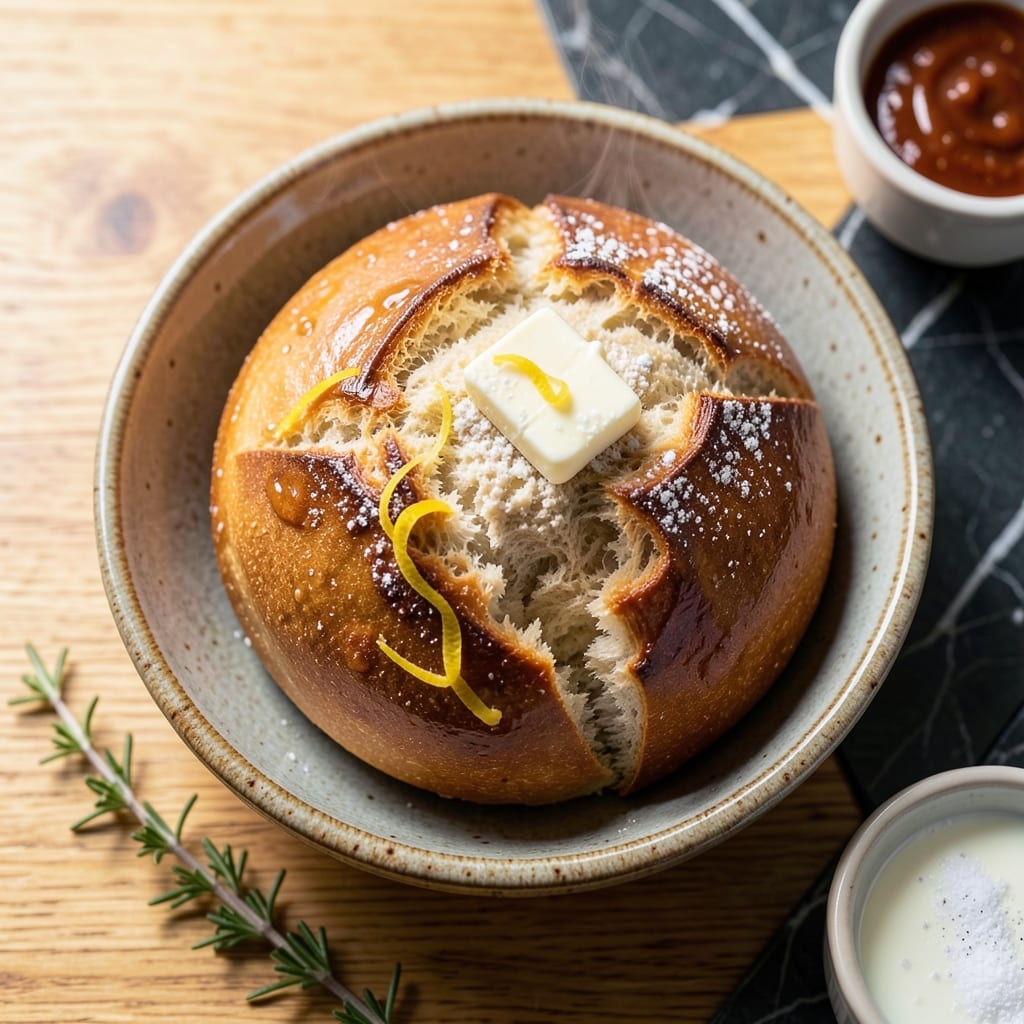
This Japanese milk bread recipe delivers the softest, most pillowy loaf you’ll ever bake at home. The secret lies in the tangzhong method, a simple technique that creates an ultra-light texture.
I discovered this approach while searching for bread that stayed fresh for days. The pre-gelatinized flour mixture ensures maximum moisture retention, resulting in that signature cloud-like crumb.
What makes this recipe special is its balance of simplicity and precision. With just a few basic ingredients and careful attention to temperature, anyone can achieve bakery-quality results.
You’ll be rewarded with a golden loaf that’s tender, slightly sweet, and perfect for sandwiches or toast. This method never fails to impress.
Ingredients for Japanese Milk Bread Recipe Tangzhong
Simple ingredients create this bakery-quality loaf with cloud-like texture and lasting freshness.
| Ingredient | Amount | Notes |
|---|---|---|
| Bread Flour 🌾 | 3 ½ cups | High protein content preferred |
| Whole Milk 🥛 | 1 cup | Warm to 105-110°F |
| Granulated Sugar 🧂 | ¼ cup | Fine grain for even distribution |
| Active Dry Yeast 🍃 | 2 ¼ tsp | One packet plus extra |
| Unsalted Butter 🧈 | ½ cup | Softened to room temperature |
| Large Egg 🥚 | 1 whole | Room temperature for best incorporation |
| Salt 🧂 | 1 ½ tsp | Fine sea salt preferred |
| Tangzhong Starter 🥣 | ½ cup | 3 tbsp flour + 1 cup milk cooked |
| Vanilla Extract 🌿 | 1 tsp | Pure extract for best flavor |
| Heavy Cream 🥛 | 2 tbsp | Optional for richer texture |
[recipe_ingredient_scaler]
The flour is critical—King Arthur Bread Flour is my go-to for its consistent 12.7% protein content, which develops the perfect gluten structure. The milk should be whole for richness; avoid low-fat as it affects texture. Yeast freshness is non-negotiable: check the expiration date and store unopened packets in the freezer for longevity. The tangzhong starter requires precise temperature control to gelatinize the starch properly.
No bread flour? All-purpose plus 1 tbsp vital wheat gluten per cup works in a pinch. Out of whole milk? Half-and-half mixed with water at a 1:1 ratio is an acceptable substitute. For a vegan version, replace the egg with a flax egg and use plant-based milk. The vanilla can be omitted if unavailable, but it adds a subtle depth that complements the milk’s natural sweetness.
Store bread flour in an airtight container in a cool, dark place for up to 6 months. Once opened, yeast keeps for 4-6 weeks in the fridge. The baked loaf stays fresh for 4-5 days at room temperature in a bread box or wrapped tightly in plastic.
Why You’ll Love This Recipe
- No-Knead Magic: I just mix, let it rise, and the tangzhong does the work—no elbow grease required.
- Toast to Sandwiches: Honestly, it’s as good fresh from the oven as it is turned into French toast or lunchbox sandwiches the next day.
- Stays Fresh Longer: Between us, this bread stays soft for days, so I can bake once and enjoy all week without waste.
Step-by-Step Instructions for Japanese Milk Bread Tangzhong
Master the technique that creates this bread’s signature ultra-soft, cloud-like texture with precision.
Step 1: Activate the Yeast with Warm Milk
In a stand mixer bowl, combine the 1 cup Whole Milk warmed to 105-110°F with the 0.25 cup Granulated Sugar and 2.25 tsp Active Dry Yeast. Let this mixture sit undisturbed for 5-7 minutes until the surface becomes frothy and the yeast activates visibly.
This blooming process confirms your yeast is alive and ready to leaven properly. I always verify the milk temperature with a thermometer—too hot kills the yeast, too cold delays activation. The sugar feeds the yeast while the warm milk provides the ideal environment for rapid growth.
Step 2: Incorporate Wet and Dry Ingredients
Add the 1 whole Large Egg, 0.5 cup Tangzhong Starter, 1 tsp Vanilla Extract, and 2 tbsp Heavy Cream to the yeast mixture. Using the dough hook attachment, mix on low speed until just combined.
Gradually incorporate 3.5 cups Bread Flour and 1.5 tsp Salt while mixing. Continue kneading on medium speed for 8-10 minutes until the dough becomes smooth and elastic, pulling away cleanly from the bowl sides. The tangzhong starter here is crucial—it’s what gives this bread its remarkable softness and extended freshness.
Step 3: Add Softened Butter and Finish Kneading
With the mixer running on medium speed, add the 0.5 cup Unsalted Butter softened to room temperature a few pieces at a time. Wait until each addition is fully incorporated before adding more.
Continue kneading for an additional 10-12 minutes until the dough achieves the windowpane test: stretch a small piece thin enough to see light through without tearing. This extensive kneading develops the gluten network essential for the bread’s airy, cloud-like crumb structure. The butter enriches the flavor while maintaining tenderness.
Step 4: First Rise Until Doubled in Volume
Transfer the dough to a lightly greased bowl, cover with a damp kitchen towel, and let rise in a warm, draft-free environment for 1-1.5 hours or until nearly doubled in volume.
Press a finger gently into the risen dough—if the indentation remains without springing back, the first rise is complete. This fermentation allows the yeast to produce carbon dioxide, creating air pockets throughout the dough. The tangzhong and high-protein bread flour work together to create an exceptionally soft yet structured texture.
Step 5: Shape, Second Rise, and Bake
Gently deflate the dough and divide it into equal portions for your loaf pan. Shape each portion into a ball and arrange them in a greased pan. Cover and let rise for another 45-60 minutes until the dough domes about 1 inch above the pan rim.
Preheat your oven to 350°F. Bake for 25-30 minutes until the top is golden brown and the internal temperature reaches 190-200°F. Remove from the pan immediately and cool on a wire rack. The result will be a loaf with a delicate, slightly sweet flavor and that signature pillowy softness that makes Japanese milk bread extraordinary.
Pro Tips For Making Japanese Milk Bread Recipe Tangzhong
- Cook the Tangzhong First: Heat the flour and milk mixture to exactly 65°C (149°F) until it thickens to a pudding-like consistency—I learned this the hard way after undercooking it once and ending up with dense bread.
- Use Room-Temp Butter: Soften the unsalted butter to about 65-70°F (18-21°C) before mixing; cold butter won’t incorporate properly, and melted butter will make the dough greasy.
- Proof at 80°F: Let the dough rise in a warm spot (around 80°F or 27°C)—any cooler and it’ll take forever, any hotter and the yeast might overproof and collapse.
- Weigh Your Flour: Scooping flour with a cup can pack it down and add up to 20% extra, making your milk bread dry; 1 cup of bread flour should weigh about 120-125 grams.
Troubleshooting This Dish
Dense or Dry Bread
If your loaf turns out dense, your tangzhong may not have reached 160°F during cooking. Use a thermometer and cook the starter until it thickens to pudding consistency. Also, overproofing can cause density—don’t let the dough rise more than 1 inch above the pan. 🌡️
Collapsed Center
This usually means underproofing or oven temperature issues. Ensure your second rise reaches 1 inch above the pan rim. Verify your oven with an oven thermometer—many run 25°F cooler than their dial indicates. I keep a Taylor oven thermometer in mine at all times.
Pale Crust
If your bread looks pale, it may need more time or higher heat. Try increasing temperature to 375°F for the last 5 minutes. Alternatively, brush the top with 1 tbsp melted butter or 1 egg yolk before baking for a richer color.
Uneven Baking
Uneven baking often results from improper oven rack placement. Position your pan in the center rack and rotate it 180 degrees halfway through baking. Also, avoid opening the oven door during the first 20 minutes of baking.
Tangzhong Too Thin
If your starter resembles milk rather than pudding, you likely didn’t cook it long enough. Return it to the saucepan and continue cooking over medium-low heat while stirring constantly until it reaches the proper consistency. This step is crucial for the bread’s texture. 💡
Yeast Not Activating
Check your milk temperature first—it must be 105-110°F. If it’s too hot, let it cool. If too cold, warm it slightly. Also, verify your yeast isn’t expired. I store mine in the freezer and bring it to room temperature before using.
Nutrition Facts
Frequently Asked Questions
What does the tangzhong method do?
It creates a gel-like starter that locks in moisture, guaranteeing ultra-soft bread that stays fresh longer. The cooked flour mixture holds water more effectively than raw flour.
Can I use all-purpose flour instead?
Yes, but add 1 tbsp vital wheat gluten per cup to mimic bread flour’s protein. This ensures proper gluten development for that signature pillowy texture.
Why did my bread collapse after baking?
Underproofing is the usual culprit. Let the dough rise until it domes 1 inch above the pan rim. Also check your oven temperature with a thermometer.
How do I store the finished loaf?
Keep it wrapped tightly in plastic at room temperature for up to 5 days. For longer storage, freeze sliced portions in an airtight container for up to 3 months.

Trained in classic French technique but raised on slow-cooked ribs and spicy rubs, she blends culinary skill with smoke and soul.
- Recipe for Boneless Pork Chops in Cast Iron Skillet: Sear and Baste to Juicy Perfection - October 3, 2026
- Recipe for Boneless Cross Rib Roast: Slow-Roasted Beef with Herb Crust - October 3, 2026
- Hamburgers in Sauce Recipe Crock Pot: Slow-Cooked Savory Delight - October 3, 2026