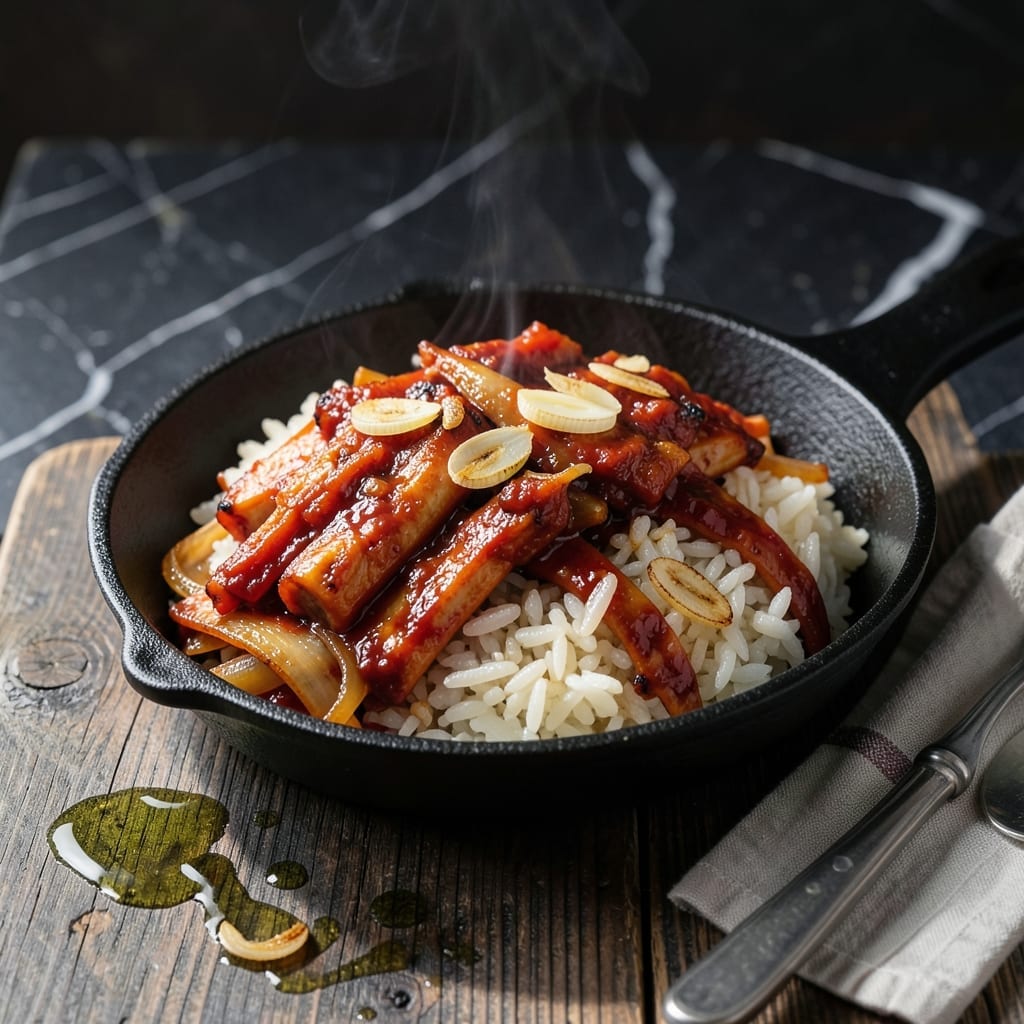
This Korean comfort dish transforms aged kimchi into a flavorful, one-pan meal that’s both satisfying and deeply traditional. I perfected this recipe after testing various kimchi brands and fermentation levels to find the ideal balance of tang and spice.
The key is using well-fermented kimchi with its sour juice, which infuses the rice with complex, umami-rich flavor. A touch of gochujang adds depth while keeping the dish simple and approachable for home cooks.
Serve it with a fried egg on top for extra richness, or add diced pork for a heartier version. The result is a dish that’s comforting yet vibrant, with every bite packed with authentic Korean flavors.
Ready in 20 minutes, it’s perfect for a quick weeknight dinner or late-night snack.
Ingredients for Kimchi Rice Recipe Korean
Aged kimchi and rice create this traditional Korean one-pan comfort dish with bold flavors.
| Ingredient | Amount | Notes |
|---|---|---|
| Aged Kimchi 🥬 | 2 cups | Well-fermented with juice |
| Cooked White Rice 🍚 | 3 cups | Day-old preferred |
| Gochujang 🌶️ | 1 tbsp | Korean red pepper paste |
| Vegetable Oil 🫒 | 1 tbsp | Neutral flavor for cooking |
| Garlic Cloves 🧄 | 3 cloves | Minced for aroma |
| Onion 🧅 | ½ whole | Finely diced for texture |
| Green Onions 🌱 | 3 whole | Thinly sliced for garnish |
| Sesame Oil 🫒 | 1 tsp | Toasted for finishing |
| Sesame Seeds 🌰 | 1 tsp | White or black variety |
| Soy Sauce 🥢 | 1 tbsp | Low-sodium preferred |
| Large Eggs 🥚 | 4 whole | Optional for topping |
| Sugar 🍚 | ½ tsp | Balances acidity |
[recipe_ingredient_scaler]
The kimchi quality is paramount here. Look for well-fermented, aged kimchi with plenty of sour juice—this is what gives the dish its signature depth. H Mart or Korean markets are ideal for authentic options, but many mainstream grocers now carry decent brands. The gochujang should be thick and vibrant—avoid watery versions. Day-old rice absorbs flavors better than fresh, so plan accordingly.
No gochujang? Sriracha plus a pinch of sugar can work in a pinch (though the flavor profile changes). For extra richness without the egg, diced tofu or mushrooms add protein. If using fresh rice, spread it on a tray to cool and dry slightly before cooking. The sugar helps balance kimchi’s acidity—skip it only if your kimchi is very mild.
Leftover kimchi rice keeps for 3-4 days in the fridge, though the texture changes slightly. Reheat with a splash of water to restore moisture. This dish doesn’t freeze well due to the rice texture. Best served immediately with a fried egg on top (if using) for that classic Korean touch.
Why You’ll Love This Recipe
- One Pan Magic: I toss everything in with the rice still warm, and the aged kimchi does half the work for me.
- Umami Bomb: That funky, sour kimchi with the spicy gochujang and garlic? I’ll be real: it’s dangerously addictive.
- Weeknight Rescue: Honestly, it’s my go-to when I need dinner in 15 minutes and the fridge is nearly bare.
- Stretches Further: Between us, I make extra—leftovers taste even better the next day, and it costs pennies per serving.
Step-by-Step Instructions for Kimchi Rice
This method transforms simple ingredients into a deeply flavorful dish with minimal effort.
Step 1: Sauté Aromatics and Kimchi
Heat 1 tbsp Vegetable Oil in a large skillet or wok over medium-high heat. Add the 0.5 whole Onion and cook for 3-4 minutes until it begins to soften and turn translucent at the edges.
Add the 3 cloves Garlic Cloves and cook for 30 seconds until fragrant. Stir in the 2 cups Aged Kimchi with its juice, breaking up any large pieces with your spatula. Cook for 5-6 minutes until the kimchi softens and the liquid reduces slightly.
This step builds the foundation of flavor. The kimchi’s tang and spice will mellow as it cooks, creating a rich base for the rice.
Step 2: Toast the Rice and Season
Add the 3 cups Cooked White Rice to the skillet, pressing it into the pan to ensure even contact with the heat. Cook undisturbed for 2-3 minutes to allow the rice to toast slightly, then stir to combine with the kimchi mixture.
Drizzle 1 tbsp Gochujang, 1 tbsp Soy Sauce, and 0.5 tsp Sugar over the rice. Stir well to distribute the seasonings evenly. The gochujang will deepen the color and add a layer of spicy complexity, while the sugar balances the acidity of the kimchi.
Cook for another 2-3 minutes until the rice is heated through and slightly crispy in spots. The grains should be distinct but coated in the vibrant sauce.
Step 3: Finish with Sesame and Green Onions
Reduce the heat to low and drizzle 1 tsp Sesame Oil over the rice. Stir to incorporate, then sprinkle 1 tsp Sesame Seeds and half of the 3 whole Green Onions (thinly sliced) over the top. Reserve the remaining green onions for garnish.
The sesame oil adds a nutty aroma that ties all the flavors together, while the green onions provide a fresh, sharp contrast to the rich, spicy rice. Taste and adjust seasoning if needed—this is your final chance to balance the flavors before serving.
Step 4: Fry the Eggs and Serve
In a separate nonstick skillet, heat a little oil over medium heat. Crack the 4 whole Large Eggs into the pan and fry until the whites are fully set but the yolks remain runny, about 3-4 minutes. For a firmer yolk, cook an additional 1-2 minutes.
Divide the kimchi rice among plates, top each serving with a fried egg, and garnish with the remaining green onions. Serve immediately while the egg yolks are still warm and runny, allowing them to mix into the rice for an extra layer of richness.
Pro Tips For Making Kimchi Rice Recipe Korean
- Fry the Kimchi First: I learned this the hard way—cook the aged kimchi in oil for 2-3 minutes before adding rice to deepen its flavor and remove excess moisture that would make your dish soggy.
- Use Day-Old Rice: Fresh rice turns to mush. My grandmother swore by this, and she was right: cold, day-old rice keeps its texture and soaks up the kimchi and gochujang better.
- Skip the Overcrowding: Resist the urge to dump all the rice in at once. Cook in batches if needed to get that slightly crispy finish instead of steamed, sticky clumps.
- Add Gochujang Last: Sounds weird, but it works: stir in the gochujang at the end to keep it from burning. About 1-2 tablespoons is enough to coat everything without overpowering the kimchi.
Health Benefits of This Recipe
Probiotic Powerhouse
This dish is loaded with lactobacillus and other beneficial bacteria from the fermented kimchi, supporting gut health and digestion. A single ½ cup serving of kimchi provides billions of live cultures that promote a healthy microbiome. David swears his digestion improved since I started making this regularly. 💪
Rich in Vitamins
The kimchi alone delivers a powerhouse of vitamins A, B, and C—especially important during cold and flu season. The garlic and onions add immune-boosting allicin, while the sesame seeds contribute calcium and iron to keep your energy levels steady.
Low-Calorie Comfort
At roughly 250-300 calories per serving (without the egg), this dish offers satisfying flavor without the guilt. The fiber from kimchi and rice keeps you full longer, making it a great option for weight management. I often serve smaller portions as a side dish.
Antioxidant Boost
Kimchi contains capsaicin from the chili peppers and allicin from the garlic, both powerful antioxidants. These compounds help reduce inflammation and may lower the risk of chronic diseases. The gochujang adds even more antioxidant-rich depth to the dish.
Quick Nutrient Absorption
The fermentation process in kimchi actually makes its nutrients more bioavailable, meaning your body can absorb them more efficiently. This is why traditional fermented foods have been valued in Korean culture for centuries. Emma and Jack always clean their plates when I make this!
Balanced Macros
With carbs from rice, protein from eggs, and healthy fats from sesame oil, this dish offers a complete nutritional profile. The combination provides sustained energy without blood sugar spikes, perfect for busy days. 🥗
Nutrition Facts
Frequently Asked Questions
Can I use fresh rice instead of day-old?
Yes, but spread fresh rice on a tray for 10 minutes to dry slightly first. Day-old absorbs flavors better, but fresh works in a pinch. The texture will be softer.
What if my kimchi isn’t very sour?
Add 1 tsp rice vinegar or 1 tbsp lemon juice to mimic the tang. Well-fermented kimchi is ideal, but young kimchi still works with this adjustment.
How spicy is this dish?
Spice levels depend on your kimchi. For milder flavor, rinse kimchi before using or reduce gochujang to ½ tbsp. For extra heat, add ½ tsp gochugaru.
Can I make this without eggs?
Skip eggs or top with tofu, mushrooms, or avocado for richness. The dish remains delicious and satisfying without them.

Trained in classic French technique but raised on slow-cooked ribs and spicy rubs, she blends culinary skill with smoke and soul.
- Recipe for Boneless Pork Chops in Cast Iron Skillet: Sear and Baste to Juicy Perfection - October 3, 2026
- Recipe for Boneless Cross Rib Roast: Slow-Roasted Beef with Herb Crust - October 3, 2026
- Hamburgers in Sauce Recipe Crock Pot: Slow-Cooked Savory Delight - October 3, 2026