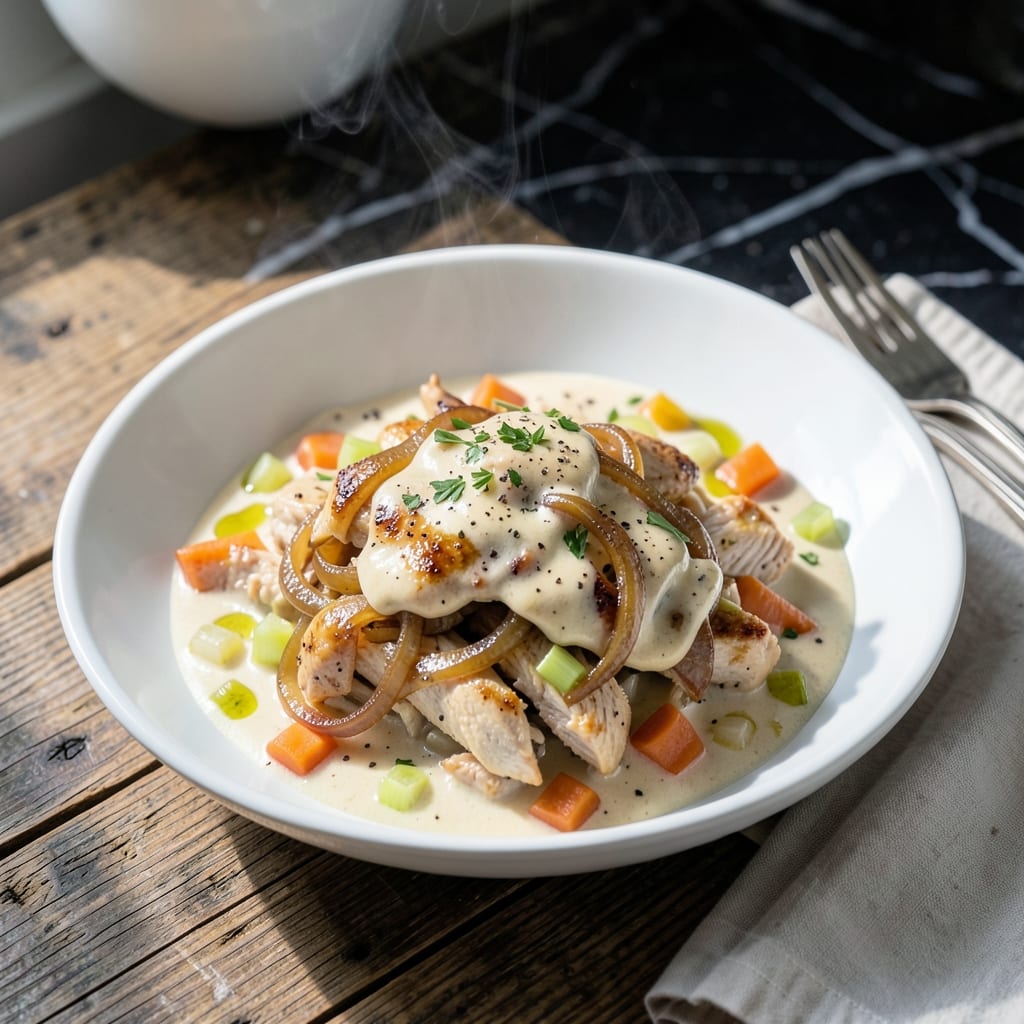
Transforming last night’s chicken into a completely new meal is easier than you think. This approach breathes fresh life into leftovers while minimizing food waste and maximizing flavor.
With just a few additional ingredients and 20 minutes of effort, you can create dishes that taste nothing like the original. Think creamy soups, hearty salads, or comforting casseroles that make the most of every bite.
The key is choosing the right preparation method for your chicken—whether it’s shredded, diced, or left in larger pieces. Each technique opens up different possibilities for texture and presentation.
These ideas prove that leftovers can be just as exciting as the first meal, if not more. The results are always satisfying and never boring.
Ingredients for Leftover Chicken Recipe Ideas
Transform leftovers into something extraordinary with these carefully selected ingredients.
| Ingredient | Amount | Notes |
|---|---|---|
| Cooked Chicken 🍗 | 3 cups | Shredded or diced leftover |
| Heavy Cream 🥛 | 1 cup | Full-fat for richness |
| Chicken Broth 🍲 | 2 cups | Low-sodium preferred |
| All-Purpose Flour 🌾 | ¼ cup | For thickening soup |
| Butter 🧈 | 2 tbsp | Unsalted for control |
| Yellow Onion 🧅 | 1 whole | Medium, finely diced |
| Garlic Cloves 🧄 | 3 cloves | Minced for depth |
| Carrots 🥕 | 2 whole | Peeled, small dice |
| Celery Stalks 🥬 | 2 whole | Trimmed, small dice |
| Fresh Thyme 🌿 | 1 tbsp | Chopped, stems removed |
| Dijon Mustard 🟡 | 1 tbsp | For tangy brightness |
| Lemon Juice 🍋 | 1 tbsp | Freshly squeezed |
| Salt 🧂 | 1 tsp | Kosher or sea salt |
| Black Pepper 🌶️ | ½ tsp | Freshly ground preferred |
| Fresh Parsley 🌿 | ¼ cup | Chopped, for garnish |
[recipe_ingredient_scaler]
The chicken is the foundation, so ensure it’s moist and well-seasoned—dry or bland leftovers won’t deliver. Rotisserie chicken from the grocery store works perfectly if you don’t have leftovers. For the broth, homemade is ideal, but store-bought (like Swanson or Pacific Foods) is a convenient alternative. Fresh herbs matter here, so grab thyme and parsley from the produce section (avoid the pre-chopped kind).
No heavy cream? Whole milk with a splash of melted butter works in a pinch. Out of Dijon? Whole-grain mustard at equal amount adds a similar depth. If carrots or celery aren’t on hand, zucchini or bell peppers can substitute for texture. For a gluten-free version, cornstarch at half the quantity replaces flour as a thickener. Always taste as you go—adjust salt and pepper to your preference.
This creamy soup base keeps well in the fridge for 3-4 days and freezes beautifully for up to 3 months. Reheat gently to avoid curdling the cream. Garnish with fresh parsley just before serving for a bright, vibrant finish (worth the extra minute).
Why You’ll Love This Recipe
- One Pan Wonder: I just dump the cooked chicken, broth, and cream in a pan—no prep, no fuss.
- Rich and Creamy: The butter and heavy cream make it so velvety, even my picky nephew cleans his plate.
- Weeknight Lifesaver: I throw this together after work and have dinner ready before the laundry finishes.
- Zero Waste: Honestly, it’s the best way to use up that extra roasted chicken before it goes bad.
Step-by-Step Instructions for Creamy Chicken and Vegetable Soup
Transform your leftovers into a rich, velvety soup with this professional technique.
Step 1: Sauté the Aromatic Base
Melt the 2 tbsp Butter in a large pot over medium heat. Add the finely diced 1 whole Yellow Onion, 2 whole Carrots, and 2 whole Celery Stalks. Cook for 5-6 minutes, stirring occasionally, until the vegetables soften and the onion turns translucent.
This base builds deep flavor through caramelization. I always wait until the onions develop a slight golden edge before proceeding—this ensures the soup has a rich, complex foundation that complements the cooked chicken beautifully.
Step 2: Build the Roux and Deglaze
Stir in the 3 cloves Garlic Cloves and 1 tbsp Fresh Thyme, cooking for 30 seconds until fragrant. Sprinkle the 0.25 cup All-Purpose Flour over the vegetables and stir constantly for 1-2 minutes to create a light roux.
The flour should coat the vegetables without browning. Gradually pour in the 2 cups Chicken Broth, whisking continuously to prevent lumps. Bring the mixture to a gentle simmer, then reduce heat to medium-low. This step transforms the roux into a velvety base for your soup.
Step 3: Incorporate Cream and Chicken
Add the 1 cup Heavy Cream, 3 cups Cooked Chicken, 1 tbsp Dijon Mustard, 1 tbsp Lemon Juice, 1 tsp Salt, and 0.5 tsp Black Pepper. Stir well to combine and simmer for 10 minutes to allow flavors to meld.
The cream adds luxurious richness, while the mustard and lemon juice provide a bright contrast that balances the dish. Taste and adjust seasoning as needed—remember, the flavors will intensify slightly as the soup rests.
Step 4: Finish and Serve
Remove the pot from heat and let the soup rest for 5 minutes. This allows the flavors to fully develop and the soup to reach its ideal consistency. The texture should coat the back of a spoon without being overly thick.
Ladle into bowls and garnish with the 0.25 cup Fresh Parsley. The parsley adds a fresh, herbal note that brightens each spoonful. Serve immediately while hot, with crusty bread for dipping if desired.
Pro Tips For Making Leftover Chicken Recipe Ideas
- Shred While Warm: Tear the cooked chicken into pieces as soon as it’s cool enough to handle—it absorbs the cream and broth better than when it’s cold from the fridge.
- Bloom the Flour: Cook the flour in melted butter for a full 2 minutes before adding liquid; this removes the raw taste and thickens the sauce properly.
- Skip Cold Cream: Let the heavy cream sit out for 10 minutes before stirring it in, or it can cause the sauce to curdle or take longer to thicken.
- Deglaze First: After browning anything, pour in a splash of chicken broth to scrape up the browned bits—it adds depth to the finished dish without extra effort.
Troubleshooting This Dish
Dry Chicken Issues
If your dish turns out dry, it’s likely because the leftover chicken was overcooked initially. Shred it finely and mix with ¼ cup chicken broth before adding to your recipe. This rehydrates the meat beautifully. I always keep extra broth on hand for this exact reason. 💡
Bland Flavor Fixes
Taste as you go and don’t be afraid to boost seasoning. Add ½ tsp salt and ¼ tsp black pepper gradually. A splash of lemon juice or Dijon mustard can brighten the entire dish if it tastes flat.
Soup Too Thin
For soups that lack body, create a slurry with 1 tbsp flour and 2 tbsp cold water. Stir this into your simmering soup and cook for 3-4 minutes. The mixture will thicken naturally without lumps.
Cream Separation
If your cream-based dish looks curdled, don’t panic. Remove from heat immediately and whisk vigorously. For prevention, always add cream to warm (not boiling) liquid. I learned this the hard way with my first batch of creamy soup.
Vegetable Texture
Mushy vegetables often mean they were added too early. For crisp-tender results, add diced carrots and celery during the last 10 minutes of cooking. This maintains their texture while still infusing flavor.
Seasoning Imbalance
If your dish tastes too acidic from the lemon, balance it with 1 tsp honey or 1 tbsp heavy cream. These neutralize acidity while adding depth. Taste frequently when making adjustments.
Nutrition Facts
Frequently Asked Questions
How long can I store cooked chicken in the fridge?
Cooked chicken stays fresh in the fridge for 3-4 days in an airtight container. For best results, store it in the coldest part of your fridge, not the door.
What’s the best way to shred chicken for recipes?
Use two forks to pull the meat apart while it’s still warm. This method is quick and creates perfect shreds for soups, tacos, or salads. Avoid using a food processor, as it can make the texture too fine.
Can I freeze dishes made with leftover chicken?
Yes! Most chicken-based dishes freeze well for up to 3 months. Cool completely before freezing in airtight portions. Thaw overnight in the fridge for best texture.
How do I keep chicken from drying out when reheating?
Add a splash of broth or water and cover the dish when reheating. This traps steam and keeps the meat moist. Reheat on medium-low heat to prevent toughness.

Trained in classic French technique but raised on slow-cooked ribs and spicy rubs, she blends culinary skill with smoke and soul.
- Recipe for Boneless Pork Chops in Cast Iron Skillet: Sear and Baste to Juicy Perfection - October 3, 2026
- Recipe for Boneless Cross Rib Roast: Slow-Roasted Beef with Herb Crust - October 3, 2026
- Hamburgers in Sauce Recipe Crock Pot: Slow-Cooked Savory Delight - October 3, 2026