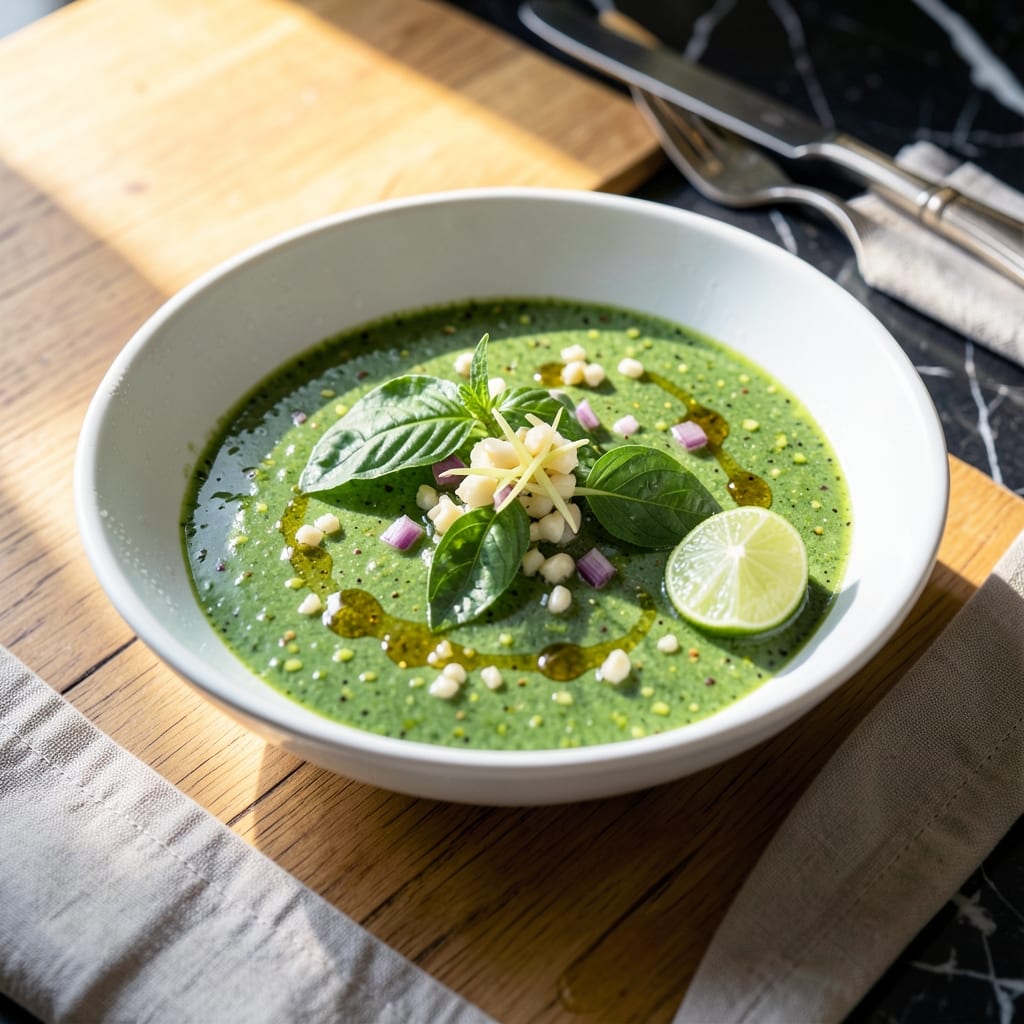
This vibrant sauce brings together the bright citrus notes of lemongrass with the fresh, herbal aroma of basil for a truly unique flavor experience.
I developed this recipe to create a versatile condiment that works as a dip, marinade, or drizzle. The key is balancing the bold lemongrass with the delicate sweetness of fresh basil, creating a sauce that’s both complex and approachable.
With just a handful of ingredients and 5 minutes of blending, you’ll have a restaurant-quality sauce that elevates everything from spring rolls to grilled meats. The aroma alone will transport you to a bustling Thai street market.
Store in an airtight container in the refrigerator for up to one week. The flavors deepen over time, making it perfect for meal prep.
Ingredients for Lemongrass Basil Sauce
Nine fresh ingredients. Five minutes. Bold Thai flavors in every drop.
| Ingredient | Amount | Notes |
|---|---|---|
| Fresh Lemongrass Stalks 🌿 | 3 whole | Tender inner parts only |
| Fresh Thai Basil Leaves 🌿 | 2 cups | Packed, stems removed |
| Garlic Cloves 🧄 | 4 cloves | Peeled, rough chopped |
| Shallot 🧅 | 1 whole | Peeled, quartered |
| Fresh Lime Juice 🍋 | 3 tbsp | About 1 large lime |
| Agave Nectar 🍯 | 2 tbsp | Or maple syrup |
| Coconut Aminos 🥥 | 2 tbsp | Or tamari for depth |
| Extra-Virgin Olive Oil 🫒 | ½ cup | Neutral oil works too |
| Sea Salt 🧂 | ½ tsp | Fine grain preferred |
[recipe_ingredient_scaler]
Lemongrass is non-negotiable here. Asian markets have the freshest stalks, but Whole Foods or Trader Joe’s often carry it too. Look for firm, pale yellow stalks with tight layers—avoid anything dry or woody. Thai basil is worth hunting down (it’s got that anise-like kick), but Italian basil works in a pinch. The shallot adds a subtle sweetness that balances the citrus—don’t skip it.
No agave? Maple syrup or coconut sugar will work. Out of coconut aminos? Soy sauce or tamari at half the amount (it’s saltier). If lime juice is all you’ve got, that’s fine—lemon works too (just taste as you go). The olive oil can be swapped for any neutral oil if you’re blending for a lighter finish. Fresh ingredients are key here—dried herbs won’t cut it.
This keeps beautifully. Transfer to a clean jar and refrigerate for up to 1 week. The flavors actually improve after 24 hours as everything melds together. For longer storage, freeze in ice cube trays (good for 3 months)—perfect for last-minute marinades.
Why You’ll Love This Recipe
- Blitz in Minutes: I toss everything in the blender—lemongrass, basil, garlic, shallot, lime—and it’s done before the rice finishes cooking.
- Bright & Zesty: That first hit of citrusy lemongrass with the peppery basil? I crave it on everything from noodles to grilled chicken.
- Weeknight MVP: Between us, it’s my cheat for turning plain tofu or shrimp into a restaurant-worthy dish in seconds.
- Stretches Far: One batch flavors three meals—drizzled on salads, stirred into soups, or slathered on sandwiches.
Step-by-Step Instructions for Lemongrass Basil Sauce
This aromatic Thai fusion comes together quickly with a few key techniques.
Step 1: Prepare the Lemongrass and Aromatics
Trim the 3 whole Fresh Lemongrass Stalks by removing the tough outer layers, then finely mince the tender inner parts. I find a sharp chef’s knife works best here—you’ll need about 2 tablespoons of minced lemongrass for maximum flavor.
Peel and rough chop the 4 cloves Garlic Cloves and 1 whole Shallot. The shallot’s mild sweetness balances the garlic’s punch. Combine these with the lemongrass in a food processor or blender. Pulse until you have a coarse paste—you want texture, not a smooth purée.
Step 2: Blend the Fresh Components
Add the 2 cups Fresh Thai Basil Leaves to the processor. Thai basil has a distinct anise-like flavor that’s crucial here. Pulse until the basil is finely chopped and fully incorporated with the aromatics.
With the processor running, slowly drizzle in the 0.5 cup Extra-Virgin Olive Oil. This emulsifies the mixture and creates a smooth base. Stop to scrape down the sides as needed. The mixture should look like a thick, vibrant green pestolike consistency at this stage.
Step 3: Incorporate the Liquid Seasonings
Add the 3 tbsp Fresh Lime Juice, 2 tbsp Agave Nectar, 2 tbsp Coconut Aminos, and 0.5 tsp Sea Salt to the processor. The lime juice brightens all the flavors, while the agave and coconut aminos add sweetness and umami depth respectively.
Pulse until everything is well combined but still has some texture. I find 10-15 quick pulses does the trick. Taste and adjust seasoning if needed—you might want a touch more lime for brightness or salt for balance.
Step 4: Rest and Develop the Flavors
Transfer the sauce to a jar or bowl and let it sit at room temperature for at least 30 minutes. This resting period allows the flavors to meld together beautifully. The lemongrass will mellow slightly while the basil’s aroma becomes more pronounced.
You’ll notice the sauce thickens slightly as it rests. If it becomes too thick, you can thin it with a little water. The color should remain that gorgeous deep green with flecks of lemongrass throughout. This sauce keeps well in the refrigerator for up to 5 days.
Pro Tips For Making Lemongrass Basil Sauce
- Bruise the Lemongrass: Use the flat side of your knife to firmly press and bruise the lemongrass stalks before chopping—this releases way more aromatic oils than just slicing cold.
- Toast the Aromatics: Sauté the shallot, garlic, and lemongrass in oil over medium-low heat until fragrant but not browned, about 3-4 minutes; burning them turns the sauce bitter.
- Add Basil Last: Stir in the Thai basil leaves at the very end, just before removing from heat, to preserve their fresh, bright flavor—I learned this the hard way after turning mine into sad, wilted green mush.
- Strain for Smoothness: After blending, press the sauce through a fine-mesh strainer to remove fibrous bits; it takes an extra minute but gives you that silky restaurant-quality texture.
Make-Ahead Tips for This Dish
Prep Ahead Strategy
I always prep the aromatics first—mince the lemongrass, chop the shallot, and peel the garlic—and store them in a sealed container in the fridge for up to 24 hours. This saves time on busy days. 💡
Basil Protection
To keep Thai basil fresh for blending later, trim the stems and place the leaves in a jar with 1 inch of water, like fresh flowers. Cover loosely with a plastic bag and refrigerate for up to 3 days. Change the water daily.
Oil Infusion Trick
For deeper flavor, infuse the olive oil with minced lemongrass for 1 hour before blending. Warm the oil gently to 180°F, then strain out the solids before using. This adds complexity without extra effort.
Batch Blending
This recipe doubles perfectly for meal prep. Use a high-speed blender for large batches, processing in 2-cup increments for even texture. Store in 8-ounce jars for easy gifting or weekly use.
Flavor Maturation
Blended sauce tastes best after 12-24 hours in the fridge. The lemongrass softens its sharpness while the basil develops richer undertones. I notice the difference most after 48 hours of chilling. ❄️
Freezing Method
Portion into ice cube trays and freeze solid before transferring to a freezer bag. Each cube is about 1 tablespoon—perfect for single servings. Thaw overnight in the fridge or microwave for 20 seconds.
Nutrition Facts
Frequently Asked Questions
Can I use dried lemongrass instead of fresh?
Fresh lemongrass is best for bright flavor, but dried works in a pinch. Use 1 tablespoon dried for every 3 stalks fresh, and soak it in warm water for 10 minutes to rehydrate first.
How do I adjust the consistency?
If too thick, thin with water or lime juice, 1 tablespoon at a time. For a thicker dip, reduce the olive oil slightly. The perfect texture should coat the back of a spoon.
What dishes pair well with this sauce?
It shines as a dip for spring rolls or a marinade for chicken. Drizzle over grilled tofu or use as a salad dressing. The citrusy notes cut through rich dishes beautifully.
Why did my sauce turn brown?
Browning often means the basil was over-processed or stored too long. To prevent this, blend just until combined and store in an airtight container in the fridge.

Trained in classic French technique but raised on slow-cooked ribs and spicy rubs, she blends culinary skill with smoke and soul.
- Recipe for Boneless Pork Chops in Cast Iron Skillet: Sear and Baste to Juicy Perfection - October 3, 2026
- Recipe for Boneless Cross Rib Roast: Slow-Roasted Beef with Herb Crust - October 3, 2026
- Hamburgers in Sauce Recipe Crock Pot: Slow-Cooked Savory Delight - October 3, 2026